Fallout 76
Bethesda Game Studios · RPG, Survival, Shooter
Overview
Twenty-five years after the bombs fall, you and your fellow Vault Dwellers emerge into post-nuclear America. Join millions of players as you explore, build, quest, and triumph in a massive open-world multiplayer adventure.
Read moreShow less
Greetings from Fallout 76 – Don't be a Stranger
From Bethesda Game Studios, the award-winning creators of The Elder Scrolls V: Skyrim and Fallout 4. Join millions of players as you explore, build, quest, and triumph in a massive open-world multiplayer adventure.
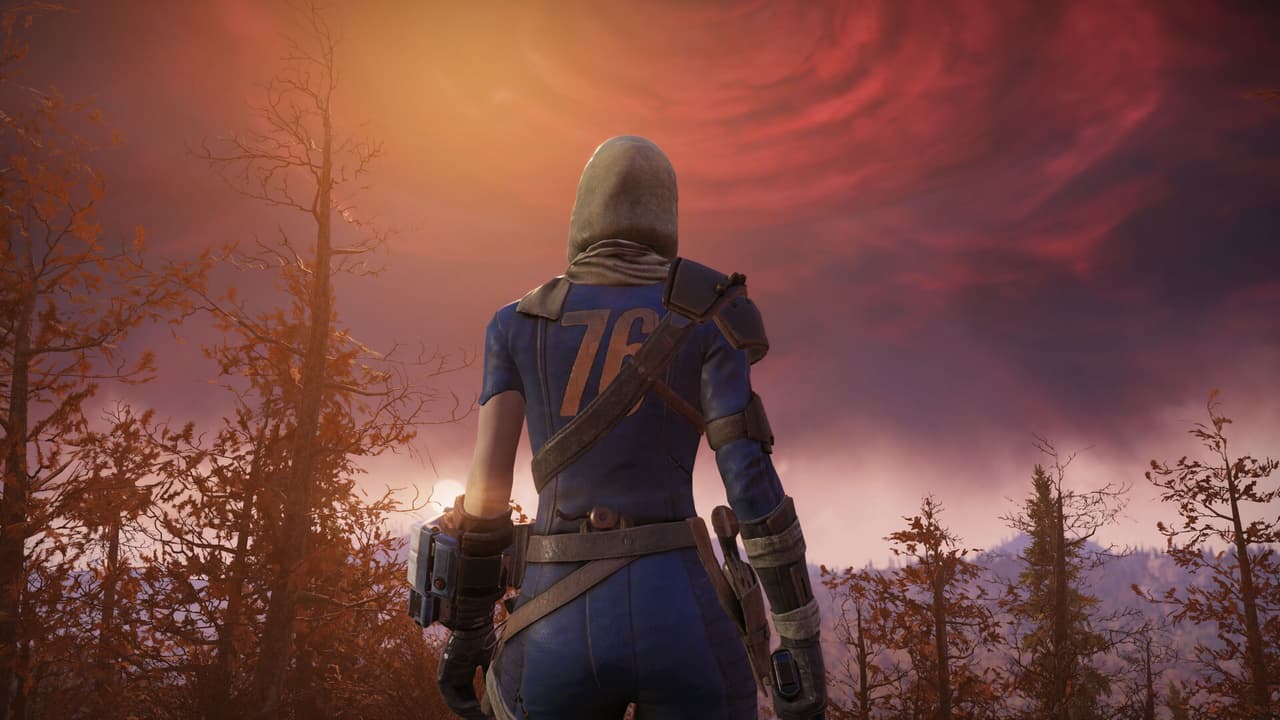
It is Reclamation Day, 2102: Play solo or co-op as your fellow Vault Dwellers emerge from your shelter to reclaim the wilderness of West Virginia 25 years after the Great War tore the world asunder.
Years of FREE Updates
Fallout 76 is continually growing, with years of free updates and map expansions, plus an extensive calendar of in-game events. There's always something new to discover as Appalachia evolves.
Forge your Survivor
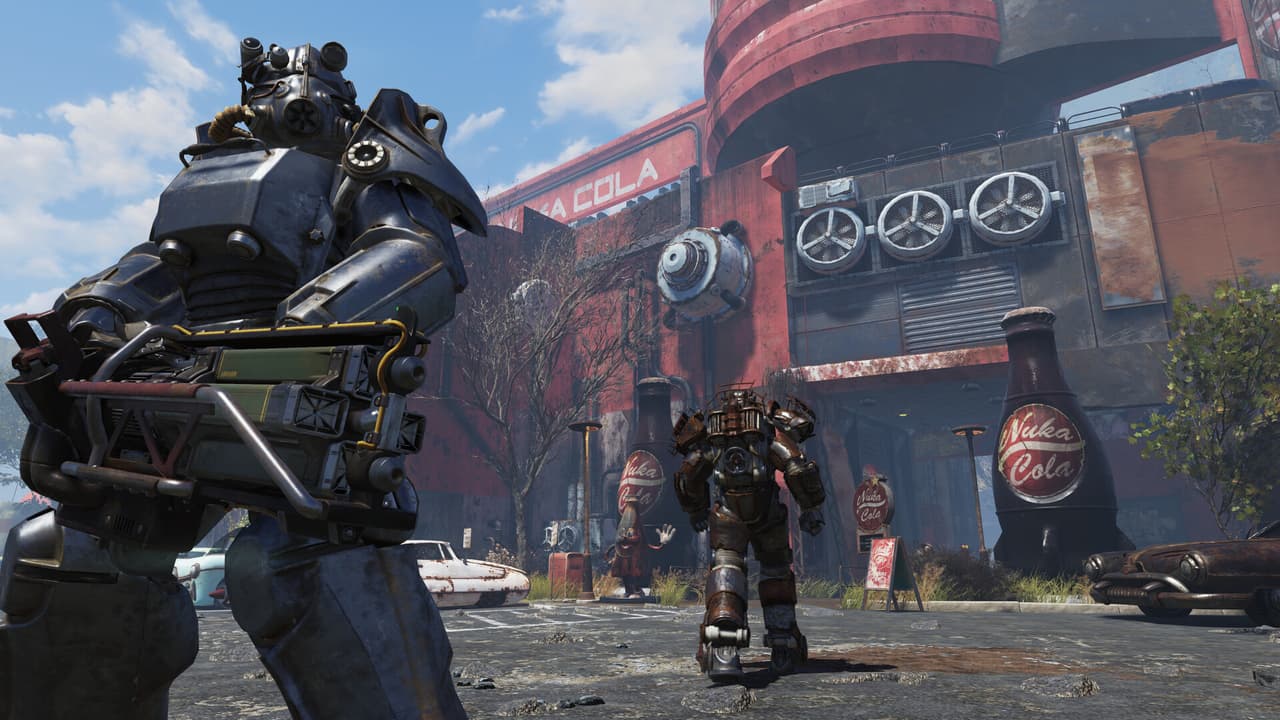
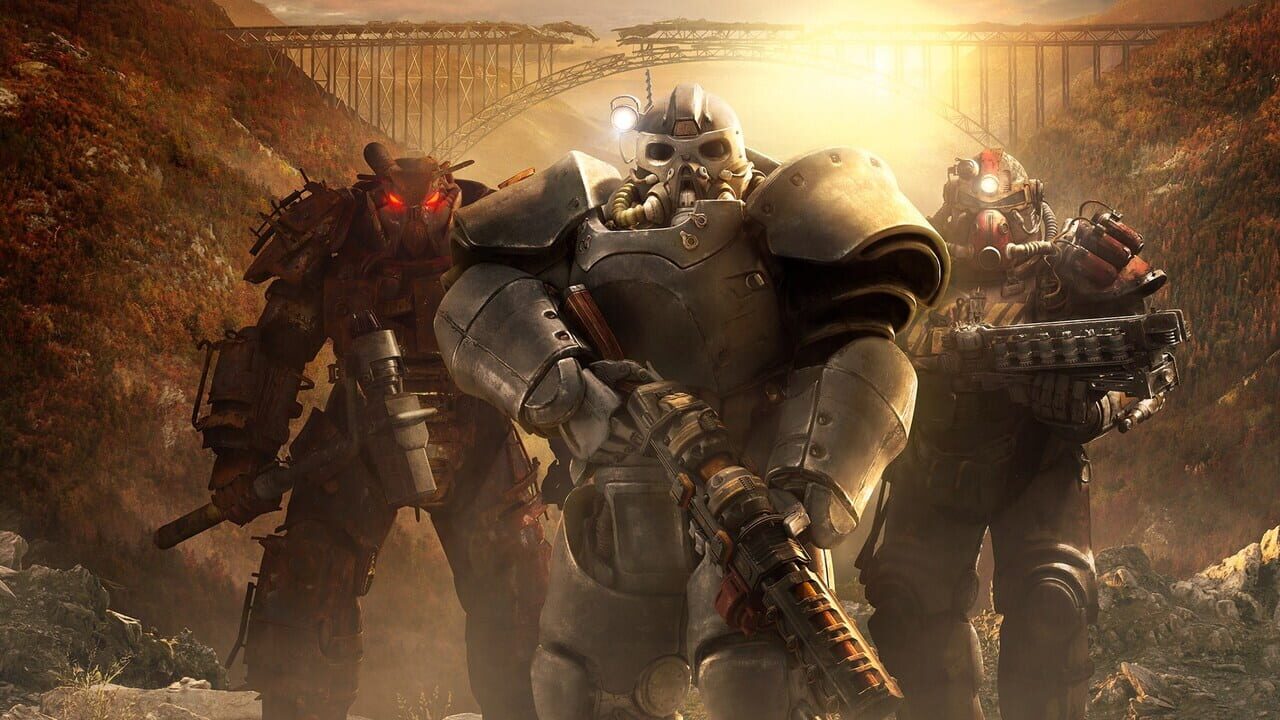
Build the survivor you want using Fallout's iconic S.P.E.C.I.A.L. system. Become a heavily armored Power Armor tank, a stealthy sniper, a gunslinging cowboy, a melee brawler, or create a build that's uniquely your own.
Build a C.A.M.P.
Settle the wastes! Choose a location, then design and expand the C.A.M.P. of your dreams. Build anything from a mountainside fortress to a woodland estate, a raider outpost, or a mad scientist lair. The customization options are vast, it's up to you!
Discover Stories Across Appalachia
Embark on rich story quests filled with competing factions and meaningful choices that shape your adventure. Journey from dense forests to the scorching Burning Springs and the radioactive Cranberry Bog, where every region is filled with unique stories, hidden rewards, and legendary cryptids. Hunt or be hunted by the mysterious Mothman, towering Sheepsquatch, or the legendary Bigfoot that stalks the wilderness.
The Slasher
Ritual murder sprees grip Appalachia’s denizens in terror! Join the investigation to find who - or what - is responsible as you (grave)dig up clues, stop cultist Infestations across the Wasteland and go on a brand-new Head Hunt event to uncover the truth behind the return of the notorious Slasher!
From the game's Steam store page.
THE GAMEQ VERDICT9,997 reviews analyzed
What players are actually saying
1. Summary
Players like spending time in Fallout 76 and resent paying around it. They describe Appalachia as a big, detailed world that still feels like Fallout, say the game is at its best when friends explore it together, and put hundreds of hours into CAMP building. The community gets a lot of affection, especially from new players handed free gear by high-level strangers. Returning players often say the game is far better than it was at launch, and a lot of recommendations come with advice to buy it on sale.
Monetization comes up in 14% of reviews, and the main grievance is storage: reviewers say unlimited room for junk, ammo and aid comes only with Fallout 1st, the monthly subscription, in a game built around hoarding junk. Bugs, crashes and glitches come up in 17%, and players say patches keep adding new ones while old ones stay unfixed. Newcomers on PC run into a separate set of problems: what they describe as a 60 fps cap with no in-game V-Sync setting, mouse trouble, and characters getting stuck at high frame rates.
2. What keeps coming up
What players praise
Appalachia's world and atmosphereHigh
Reviewers describe a dense map with varied locations, cryptid monsters, environmental storytelling and the spectacle of a nuke launch, and some say exploring is what keeps them coming back when they are annoyed with everything else. One recommending player wrote that despite the bugs "the game does hold that atmosphere and enviornment of just exploring appalachia". Negative reviews sometimes concede the point before listing their problems ("The world map is nice, but..."). A smaller group finds the setting too crowded or too flat and misses the empty, lonely wasteland of earlier games.
A generous, welcoming communityMedium
New players describe high-level strangers dropping weapons, food and plans at their feet ("a level 900+ player went and gifted me rations"), and several call it the friendliest or nicest community they have met in an online game. One reviewer said the game is "(somewhat) carried by the community and i love it." Complaints about other players are minor: price-gouging player vendors, and a few griefing or cheating stories from older reviews.
Fallout with friendsMedium
Couples and friend groups describe running events, sharing bases and wandering the map together, and some call it the multiplayer Fallout they wanted since Fallout 3 ("All the excitement of Fallout 4, but with friends."). For some players it is the condition of the recommendation: one called the game "quite enjoyable if played with friends" and then listed the microtransactions and the subscription. The catch, covered under frustrations, is that story quests often don't share progress across a team.
CAMP buildingMedium
Players with hundreds of hours bring up base building more than anyone else. They describe hours spent decorating, visiting each other's camps and treating CAMP design as the real endgame ("The apocalypse has excellent interior design options."). The praise is often qualified: snapping that won't line up, camps blocked when someone else has built on the spot, and the feeling that the best building pieces are sold in the Atomic Shop or need Fallout 1st.
A big turnaround since launchMedium
Returning players who compare the game with its 2018 launch say the added human NPCs, questlines, events and raids turned it into a different game ("Very much improved from the disaster it was at launch."). A few say they flipped an old negative review. The same reviewers often add that the bugs and the Bethesda jank never fully went away, and some edited launch-era reviews have swung back to negative.
A relaxed comfort gameLow
Some reviewers call Fallout 76 their comfort game or a relaxing one: something to play after work at their own pace, doing dailies, scrapping junk and building a little. Several describe drifting away and coming back every few months.
Music and radioLow
A handful of reviews single out the radio stations and ambient score. A few dislike the host commentary on the main station.
Where players are split
"Fallout 4 online"Medium
8% of reviews compare the game with Fallout 4. Fans call it Fallout 4 with friends, events and better gunplay, and some rate it above Fallout 4. Detractors call it "a watered down Fallout 4" with recycled assets, a dated engine and clunkier controls. Some Fallout veterans go further and say the online format strips out what made the series special: essential NPCs, no real consequences and no morality system. One negative review put it as "It's an okay mmo, but a horrible Fallout game."
Story and questsMedium
Some players praise the questlines, the lore and the added factions, and some newer players say there is far more story than they expected. Others call the main story boring, the dialogue slow and the choices meaningless, and several say the game works best if you ignore the story and just play. A middle view: "The story isn't great but it feels like a wasteland". A few reviewers note that older quests feel weaker than the newer content and wish the early ones were updated.
Grind, dailies and seasonsMedium
Players who enjoy the grind talk about the loop of events, legendary farming and seasonal scoreboards, calling it a grind but "a very enjoyable one". Others call it a hamster wheel built on RNG, timed rewards and FOMO, and point to legendary mod costs, time-gated gear and the same events repeating. Players with hundreds of hours raise grind far more often than newer ones.
Value for money and buying on saleMedium
Reviews that bring up the price give the same advice whether or not they recommend the game: it is worth it at a sale price and harder to justify at full price. Reviewers mention paying a few dollars or euros in sales. Some bring up the sticker price only to object to paying monthly on top of it ("12 dollar subscription for a game I paid 40 dollars for").
Combat and VATSLow
Relatively few reviews discuss combat. Some players praise the gunplay, the reworked VATS and the build variety. Others call the weapons sluggish, complain about bullet-sponge enemies, and miss the pause-time VATS of earlier games.
Playing solo in an online worldLow
A small group talks about solo play. Some say the game is very solo-friendly and you never have to interact with anyone. Others want an offline or single-player mode, dislike that private worlds need the subscription, or worry about what happens when the servers go offline.
What frustrates players
Bugs and crashes that survive every patchHigh
Bugs, crashes, glitches and broken systems come up in more reviews than any other problem, and recommending reviews carry the caveat too ("love the game, hate the bugs."). Players report crashes during public events, quests that break and must be restarted from scratch, items and power armor lost after server resets, a Pip-Boy that freezes, and being unable to move until they restart. Players are especially angry about the patch cycle. They say updates add bugs faster than they fix them ("1 thing gets fixed in a patch and 2 things will break."), and some ask for proper public testing before releases. Long-time players bring up bugs more than newcomers, and their negative reviews often name a specific update that broke something they relied on.
Fallout 1st and the storage capHigh
When reviewers bring up Fallout 1st, storage is usually the reason. They say the stash is capped at 1,200 weight and the unlimited scrapbox and ammo box only work with the subscription. Players call it a problem built so the solution can be sold ("The definition of creating a problem and sell the solution."), and some keep their thumbs-down for this reason alone ("Expect to buy the game and then pay for the monthly membership not because it enhances the game but because the game has unbearable inventory management without it."). Players disagree on how essential it is. Some say you can play fine without it ("Fallout 1st perks are nice, but not needed to play the game"), while others, including some who recommend the game, say it is effectively required ("Really only playable if you can afford Fallout 1st."). Smaller complaints: shop items that stop working when the subscription lapses, private worlds locked behind it, and a few billing problems where benefits or Atoms never arrived. Players with hundreds of hours raise Fallout 1st far more often than newer players, since the cap bites hardest later on.
Servers, disconnects and loginsMedium
Players describe being dropped mid-event, losing quest progress on disconnect, rubber-banding ("rubber banding constantly at 500Mb/s"), long load screens and days of failed logins. A smaller group of PC players ran into Bethesda account linking and character name problems.
PC settings and performanceMedium
PC-specific technical problems show up most in reviews from players with only a few hours. The same complaints recur: a 60 fps cap with no in-game V-Sync toggle ("Game is locked at 60fps unless you tweak an ini file."), characters unable to move or run when the frame rate goes higher, mouse smoothing and the cursor escaping the window, a low FOV limit, no ultrawide support, stutter on modern hardware, and black screens on startup. Several reviewers say they fixed these with ini edits or forum tips. Others refunded first. A few reviewers on Steam Deck and Linux report it running well.
The Atomic Shop and pay-to-win creepMedium
Beyond the subscription, players object to the Atomic Shop: prices they call predatory ("Atomic shop prices seem almost predatory."), the best CAMP items sitting behind Atoms, and items that affect play, such as repair kits, resource generators and stat boosts, which some call pay-to-win. Defenders say Atoms can be earned through play and seasons ("you can earn free Atoms through the season") and that the cosmetics don't affect the game. Where the two sides differ is on how much non-cosmetic content has crept into the store.
Season rewards full of reskinsLow
Veterans say the season scoreboards have filled up with reskinned items, CAMP titles and filler ("Full of camp titles, prefixes and suffixes"), and some say weak season rewards are why they stopped playing.
A thin endgameLow
High-level players say there is little left to do once seasonal rewards are done ("there aint a thing to do once you hit around level 800"), and ask for more raids, boss variety and fresh events. Several still recommend the game and treat this as a reason to take breaks.
Co-op quests that don't share progressLow
Players who bought the game to play together report that in many quests only the team leader progresses, so partners must repeat instanced story areas ("Playing not as the team leader does not progress my quests"). Couples and friend pairs say it undercuts the reason they bought the game. Even a recommending review asks for "an option to progress the game together instead of having to do instanced story areas twice."
Balance changes that wreck buildsLow
Long-time players complain that weapon nerfs and perk or armor reworks wipe out builds they spent months grinding ("Nerfing anything that's fun and forcing people to constantly change their builds?"), and several mention cancelling Fallout 1st over it.
3. The player conversation
The conversation is divided but rarely cold. Some negative reviews open by saying the reviewer loves Fallout, has hundreds or thousands of hours, or keeps coming back despite themselves, and a few describe the relationship as abusive or an addiction.
Who raises what follows how far people have played. Players with only a few hours mostly talk about first impressions: PC setup problems, early bugs, confusing systems, co-op that doesn't sync, and whether this is "real" Fallout. Players with hundreds of hours talk about the economy and the live service: Fallout 1st and the Atomic Shop come up far more often in their reviews than in those from players with only a few hours, along with season rewards, nerfs, grind and endgame. They are also the likeliest to bring up CAMP building and the community.
Most of these reviews were written after a surge that began in mid-December 2025, when reviewers mention the TV show's new season and the Burning Springs update as reasons they jumped in or came back. Reviews written from mid-December 2025 through March 2026 recommend the game 63% of the time. The low point came in the weeks after 26 January 2026 (49% positive in the first of them). A number of reviews from that stretch mention buying in a deep sale or trying a free promo and then hitting crashes on startup, PC settings problems and the storage cap, while some veterans complained that an update broke events and weapons. Reviews written from April to October 2026 recommend it 66% of the time, and those from September and October 2026 climbed to 74%. The older edited reviews sit at 50% and mostly argue the same points: better than launch, still buggy, still monetized.
4. What the developers could do
- Stabilize patches before release and clear long-standing bugs. Bugs come up more than any other problem in the reviews, and players say each update brings new crashes, quest breaks and lost items while old bugs stay, with some asking outright for wider public testing before updates go live.
- Move junk, ammo and aid storage out of Fallout 1st, or raise the base stash cap. The storage paywall is the core of the monetization complaint, some players keep a thumbs-down for that reason alone, and some subscribers still call the 1,200 cap on the main stash too low.
- Make disconnects and server drops less punishing. Reviews describe being kicked mid-event, quests resetting after a disconnect and repeated failed logins, so keeping quest progress across reconnects would take the sting out of the instability.
- Fix the PC basics: an in-game frame-rate cap and V-Sync toggle, frame-rate-independent movement, a higher FOV, ultrawide support and clean mouse input. These problems hit new PC players in their first hours, and the fixes players describe often mean editing ini files.
- Keep non-cosmetic items out of the Atomic Shop. Players accept cosmetics but object to repair kits, resource generators and stat items for sale, and that is where the pay-to-win label comes from.
- Share quest progress across a team. Couples and friend groups who bought the game to play together say only the leader progresses in instanced quests, which makes them repeat content and undercuts a main reason they bought it.
- Put fewer reskins and titles in season rewards, and more new items. Long-time players single out reskinned rewards and filler titles as why they stopped engaging with seasons.
- Announce and limit build-breaking balance changes, and add a perk loadout manager. Veterans say repeated nerfs and reworks wipe out months of grinding, and at least one asks for a perk loadout manager to make swapping builds easier.