Kards: The WWII Card Game
1939 Games · Strategy, Card Game, Board Game
Overview
KARDS, The World War II Card Game, combines traditional CCG gameplay with innovative mechanics inspired by classic strategy games and real battlefield tactics. Take command and challenge other players in grand-scale warfare on the ground, air, or seas.
Read moreShow less
Card Game meets WWII
KARDS is completely free to play with all features available from the start. You can earn all cards through regular gameplay, daily missions and an extensive achievement system.
Why should you play KARDS?
KARDS blends familiar trading card gameplay that make it easy to learn and are combined with innovative mechanics that provide strategic depth and tactical diversity.
The innovative frontline mechanics allows you to better protect your support assets and take the battle to your enemy. Rush your enemies with Blitzkrieg tactics, gain air superiority or dig in for bitter defensive warfare until you outproduce and outgun your enemies.
Managing your forces is an important part of any military campaign. In KARDS you need to carefully manage your resources (Kredits) between deploying new units, operating units already deployed on the battlefield and disseminating orders to support your battle plans.
Strategy
Your deck is constructed around one of the five major powers of WW2 and competes head to head with other players. Each deck is allowed one ally nation, where you can draw support from to create an edge against the opposition.
Depending on what you believe to be a winning strategy, players craft their deck on a combination of units and supporting orders.
- Infantry: Try to overrun your opponent with lighter and often less costly units
- Tanks: Blitz your opponent with heavily armored units
- Artillery: Blast your opponent from the safety of your support line
- Aircraft: Achieve air superiority and wreak havoc from the sky
Move up through the ranks via gameplay from Private to Field Marshall and earn your place in the officer's club while reaping monthly rewards for your rank.
Authentic atmosphere
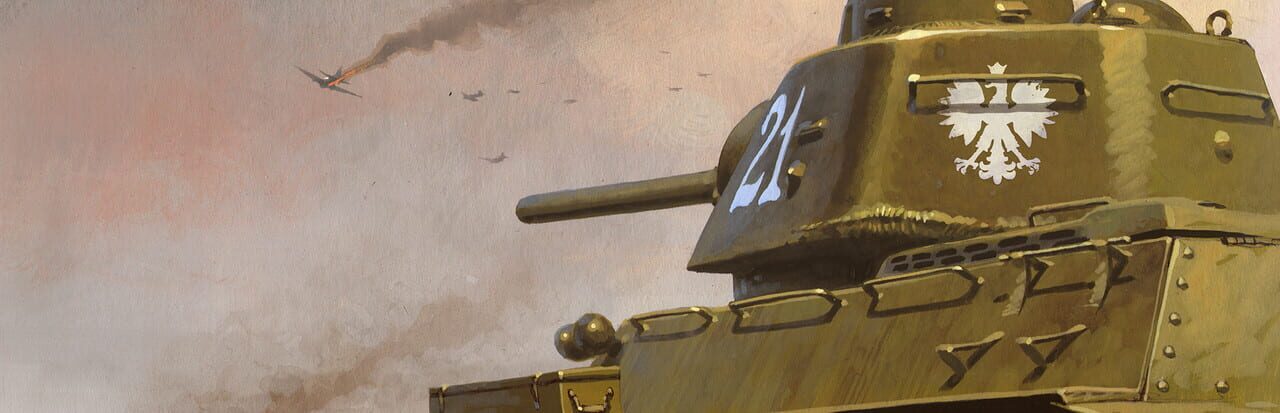
All the cards are beautifully illustrated to match the unique WW2-style. Weapons and units have been diligently researched and behave exactly as one would expect based on official documentation, specifications and operational history.
Regular updates and events
Thanks to a vibrant community and active developers, KARDS regularly receives new features and improvements. Meanwhile, several expansions have been released for free. We also conduct regularly tournaments which are suitable for players of all experience levels. Winning prizes in the tournaments range from game items to real money of up to $10,000 USD.
About 1939 Games
1939 Games is a creative indie studio located in Iceland. Founded by ex-CCP veterans famous for creating EVE Online, 1939 Games is out to boost the market with KARDS, the unique and groundbreaking WWII CCG.
From the game's Steam store page.
THE GAMEQ VERDICT10,000 reviews analyzed
What players are actually saying
1. Summary
KARDS is a free-to-play collectible card game set in the Second World War, and reviewers mostly like how it looks and plays. The period poster art, the historical notes on each card and the music come up in 29% of the longer reviews. The frontline mechanic is the other draw: units pay an operation cost to move and attack, and the two players fight over a shared line in front of their headquarters. 26% of longer reviews talk about its tactics or call it easy to learn and hard to master. Hearthstone and Magic are the usual comparisons, and former Hearthstone players often say KARDS gives them more decisions per turn.
The free-to-play economy draws the most argument. 15% of longer reviews call the game pay to win, while a smaller group (6%) insists it is only slow to progress. Separately, 19% describe a long grind, expensive packs or rewards that were cut. Balance comes up in 17%: new expansions launch with overpowered cards, nerfs come late, and a few dominant decks shape the ladder. Players also report cheating, emote spam, disconnects and matchmaking against far bigger collections. These figures come from English reviews; across all languages, Steam rates the game Mixed.
2. What keeps coming up
What players praise
The art, the history and the soundHigh
The look of the game is praised more often than anything else. Players single out cards drawn in the style of wartime propaganda posters and model-kit box art, the background photo and paragraph of history behind each unit, and period music that changes with the nation you play. One player summed it up: "The historical descriptions on the back of units is an incredible perk." Some say the setting is why they tried a card game at all, and a handful wish it existed as printed cards. Criticism here is minor: some find the music repetitive or too gentle for a war game, and a handful of early players found the card text hard to read in hand.
The frontline and operation costs make it tacticalHigh
Units are deployed to your support line, then pay again to move into the contested frontline or to attack, so every turn is a choice between building up and pushing. Infantry, tanks, artillery, fighters and bombers each follow their own movement and attack rules. Players describe it as easy to pick up and slow to master; one wrote that "the frontline mech makes it a lot more payable tactically and strategically compared to hearthstone". A minority of negative reviews call it a reskinned Hearthstone with one extra lane, and a few early reviewers wanted unit types to counter each other more realistically (tanks dealing full damage to planes bothered them).
A Hearthstone-style game that players call deeperMedium
Hearthstone and Magic: The Gathering are the reference points in 18% of longer reviews. Former Hearthstone players often say they came for less randomness and more decisions per turn: "If hearthstone is checkers, kards is chess." Some veterans also say KARDS was more generous with cards than the games they left, at least in the early years. The dissent is that it plays too much like the games it is compared to, and later reviews warn that it has picked up the same power creep they left Hearthstone to escape.
Draft modeLow
Draft, where you build a deck from random picks for a gold entry fee, is a favorite side mode for those who mention it: "A fun draft system that is rewarding and doesn't require a week of grinding to play without charge." Critics say its rewards are thin and that draft decks swing too much on what you are offered.
Where players are split
Pay to win, or just slow to progressHigh
The pay-to-win camp says new players with starter decks meet opponents full of elite and special cards, that the strongest cards are rarities you only get from packs, and that spending money is the only way to keep up: "I really like the game, but the most powerful card in this game is the credit card." The other side, including players who say they reached Field Marshal rank without paying, argues that skill and patience can carry common-heavy decks and that money only speeds up the same collection. One review that called it a fair business model put it simply: "You can win even if you don't have elite cards." Some positive reviews fall in between, recommending the game while warning about the gap new players face once the opening rewards dry up.
Luck of the drawMedium
Players disagree on how much skill decides a game. Defenders say KARDS has less randomness than other digital card games, since most luck comes from the shuffle. Critics point to small opening hands, games decided by who draws their key cards first, and draft runs that hinge on the offered picks: "Enjoyable, but winning or losing is so dependant on your first cards". Several reviews tie luck to the economy, saying a bigger collection gives you more ways to recover from a bad draw.
AI opponents and the single-player campaignsMedium
Single-player play gets mixed reviews. Early players liked that a one-minute queue fell back to an AI opponent with the same rewards, and the nation campaigns are praised as a way to learn the game and earn cards. Complaints are that the tutorial AI seems to draw exactly the answer to your best card, that training rewards are small, and that the campaigns cost money or premium currency: "The single-player campaigns are locked behind a premium currency paywall". Requests for more single-player content, co-op and 2v2 modes recur across the years.
How the developers handle the gameLow
Reviews from the early access period often credit a small team that listened on Discord and patched quickly ("The game developers respond to community feedback."). Later negative reviews say balance feedback is ignored and long-standing bugs are left in place, usually as part of the balance and economy complaints below.
Mobile and cross-platform playLow
Before the mobile launch, players kept asking for Android, iOS and Mac versions. After it, some praise playing the same account on phone and PC, while a few believe the game has been tuned for the mobile audience at the PC players' expense.
Allied and Axis cards in the same deckLow
Decks pair a main nation with an ally from either side, and a small group finds this breaks the setting: "it makes zero thematic sense for axis factions to fight other axis factions". Others like the combinations it allows.
What frustrates players
The grind, pack prices and cut rewardsHigh
Separate from the pay-to-win argument, 19% of longer reviews complain about how slowly cards arrive without paying, how much packs and campaigns cost, or rewards that shrank. Recurring points are crafting costs for elite cards, no way to break down unwanted cards for crafting material ("Please allow players to disenchant cards"), packs that cannot be bought for a single nation, and pricing that some international players could not afford. One 2019 review described it plainly: "The rate of card acquisition is notably slow, even compared to other slow-ish F2P CCGs, like Arena and Hearthstone." Reward changes drew their own waves of complaints, including the reduced first-win gold and the removal of the elite wildcard for national level 150: "Replacing the elite wildcard, which serves as a reward for upgrading national levels in the game, with a useless avatar reward is truly disgusting."
Balance, power creep and nations that swing in and out of favorHigh
17% of longer reviews complain about balance, and they describe the same cycle: an expansion lands with overpowered cards, they dominate for weeks or months, and nerfs arrive late. One player called it "the trend of the devs releasing very unbalanced expansions with overpowered cards that later (sometimes months) gets nerfed". Reviewers have called different nations too strong over the years: Britain and the Soviets early on, then Japan, Germany and later additions such as Finland. Players who invested in a deck also object when nerfs come without any refund of crafting material.
Dominant decks, removal spam and weatherMedium
10% of longer reviews complain about the meta itself: everyone running the same copied decks, games won by orders (spells) and removal with few units on the board, and combos that end a game in one turn. Meta complaints were most common in reviews written in 2023, 2025 and 2026 (13% to 18% of each year's longer reviews, against under 10% in the other years). In 2026 the weather and forecast cards became a theme of their own (9% of that year's longer reviews), with players saying they drag games out: "Weather made everything worse. Games take longer."
Cheating, emote spam and stallingMedium
8% of longer reviews raise cheating, toxic behavior or the lack of a way to report it. Cheating complaints rose in 2025 (12% of that year's longer reviews) and 2026 (9%), against 4% or less in earlier years. Players describe opponents playing more than their kredits allow or blocking moves, and they object that "There is no report function (in a PvP game mind you)". Emote spam and players who let the turn timer run down make up the rest of this theme; one player complained that muting emotes does not stick: "You have to turn it off once you enter every single match."
Bugs, disconnects and performanceMedium
7% of longer reviews report technical problems: cards stuck on screen, matches lost to disconnects with no way back in ("constant lose of connection"), gold lost when a tournament entry failed, and a game that runs hot on laptops for a 2D card game. Some players also say a cancelled queue or a crash still counted as a loss.
Matchmaking against much bigger collectionsMedium
6% of longer reviews name matchmaking directly, and some pay-to-win complaints describe the same problem without using the word. New players report meeting veterans with full collections, ranked opponents several ranks above them, and the same opponent several times in a row. One player suggested that "matchmaking should factor in the depth of a player's card collection rather than relying solely on their current level".
Cards moved to the reserve poolLow
When older cards rotated out of standard play into a reserve pool in 2023, players who had just finished or bought decks were angry: "I literally just made a decent deck and now more than half is being permanently moved to reserve." The complaint returns in later years whenever new rotations land, usually alongside the economy theme.
Going first is a disadvantageLow
A few players argue the first player, who starts with four cards against the second player's five, is too far behind, and suggest equal opening hands.
A clunky deck builder and interfaceLow
Early reviews in particular mention a deck builder that shows few cards at a time, hard-to-read ability icons and a weak indicator for which units can still act.
3. The player conversation
Many recommendations are a line or two about the setting and the free entry. Some negative reviews open by praising the art and the frontline system before turning to money, balance or cheating, and some positive ones still warn about the grind or pay to win. Reviews written during early access, before the April 2020 full release, were the most positive group (91% of them recommend it), full of thanks for generous rewards and a responsive team.
Pay-to-win claims appear at a similar rate in every year (13% to 24% of each year's longer reviews). Later reviews bring new specifics: the reserve pool rotation from 2023, reward changes such as the removed level-150 elite wildcard in 2025, complaints about cheaters and the missing report button in 2025 and 2026, and weather decks in 2026. Reviewers with a few hours played rarely mention the meta or nerfs; those with long playtime write much more about meta shifts, nerfs to cards they invested in, and changes to rewards. The step from starter decks to ranked play comes up across both groups.
4. What the developers could do
- Speed up free card income and let players break down unwanted cards. The grind, pack prices and reward cuts are the most common frustration, and players ask directly to disenchant cards and to buy packs for a single nation.
- Test new expansions harder and nerf outliers quickly, with refunds for nerfed cards. Balance complaints describe the same cycle of overpowered launches and late nerfs, and players who crafted those cards want their materials back.
- Match players on collection strength as well as rank. Matchmaking and pay-to-win complaints both describe new players with starter decks meeting veterans with full collections, and players have suggested exactly this fix.
- Add an in-game report button and stronger anti-cheat. Cheating complaints rose sharply in 2025 and 2026, and reviewers point out that a PvP game has no way to report a suspicious opponent.
- Make emote muting stick and shorten stalling. Emote spam and opponents who run down the turn timer run through the toxicity complaints, and the emote chat cannot be switched off for good.
- Rein in weather and removal-heavy decks that drag games out. Meta complaints peaked in reviews from 2023, 2025 and 2026, and in 2026 players singled out weather cards for making games longer and less interactive.
- Add reconnects and fix losses caused by crashes or failed entries. Disconnects with no way back into a match, crashes counted as losses and gold lost on failed tournament entries all recur in the bug reports.
- Compensate players when cards rotate to the reserve pool. The 2023 rotation angered players who had just built or bought decks, and the complaint returns with each new rotation.