Lily's World XD
SonderingEmily · Horror, Puzzle, Simulation
Overview
Lily was an ordinary teenager in 2004, and you just found her laptop. Read her diary, message her friends, and piece together what happened to her before it’s too late. But you're not the only one with access to her computer… A fourth wall-breaking psychological horror experience featuring LilyPichu
Read moreShow less
Lily is a typical teenage girl — dramatic, emotional, awkward — but she’s hiding a secret, and her laptop holds the key. Your explorations into this stranger’s life soon reveal a dark truth, but your actions won’t stay unnoticed for long. Can you find Lily before those who took her find you?
˚₊‧꒰ა DIVE INTO THE EARLY WEB ໒꒱ ‧₊˚
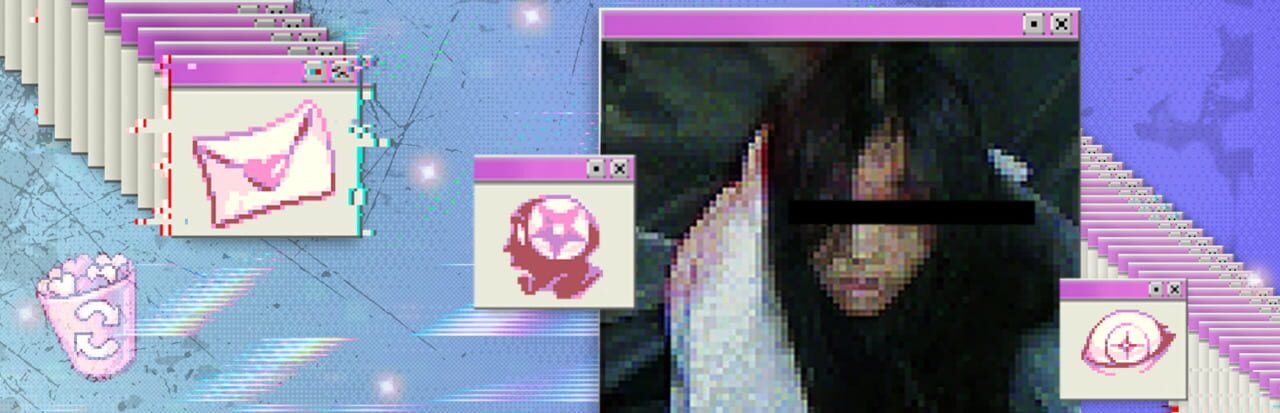
Lily’s laptop is full of clues to her whereabouts. Comb through her blog, decode hidden messages and reconnect with her childhood friends to piece together her story. Lily wasn’t the only one with something to hide: other forces are at work to stop you, and even your own computer isn’t safe from intrusion…
⊹₊˚‧︵‿₊୨ AUTHENTIC CRINGE ୧₊‿︵‧˚₊⊹
Lily’s world XD tells a story of friendship, body image and how it feels to grow up as a lonely nerd online, featuring real photos of the developer and her friends’ teenage selves and the vocal talents of LilyPichu.
From the game's Steam store page.
THE GAMEQ VERDICT810 reviews analyzed
What players are actually saying
1. Summary
Lily's World XD is a short (roughly three hour) found-computer psychological horror mystery: you rescue a 2004-era laptop from a skip, dig through a missing teenage girl's files, blogs, messenger logs and photos, and uncover a cult that preyed on her insecurities about her body. Players adore it. Many say the story hit them personally: reviewers, some of them women who grew up online in the 2000s, write that its handling of body dysmorphia, disordered eating and online manipulation made them cry or feel seen. They also praise the Y2K internet nostalgia and aesthetic, the fourth-wall-breaking ARG tricks (real emails and phone numbers, your Steam name, webcam, fake Steam messages), and scares that unsettled even easily frightened players without overwhelming them.
Most complaints come from players who still recommend it. The recurring caveats are the length for the price, an ending and second half that some felt rushed or thinned out, puzzles that genre veterans found too easy or hand-held, a clumsy in-game browser (four-tab limit, no resizing), and, for a vocal few, period details and voice acting that broke the 2004 illusion. The 17 negative reviews give varied reasons: several expected more horror, and others cite the length, the price, the lack of challenge, the ending, the browser or the maze.
2. What keeps coming up
What players praise
A story about body image that made players cryHigh
About one in five reviews explicitly names the message, body dysmorphia, eating disorders, insecurity or relatability, and dozens say it made them cry ("I cried"). One writes that "this game makes me feel seen." Players describe the story as sad and empowering at once, praise the developer's closing letter, and thank the developer for making it. Several reviewers identify as people who struggled with the same issues (including one psychologist who works with teenagers) and recommend it specifically to others who have. A few reviewers found the messaging heavy-handed or preachy (see the frustrations section), and one felt the social commentary crowded out the horror plot.
Early-2000s internet nostalgia and a lovingly made lookHigh
The Windows-XP-style desktop, MySpace and AIM-era messaging, cringey blogs, dress-up flash games, the maze game and the playlist sent many players straight back to their teenage years. Reviewers call the pink, creepy-cute art direction beautiful and the attention to detail remarkable, and for some the handmade, solo-developer feel is part of the appeal ("Handmade, no AI, pure human and their dreams!"). A smaller group felt the photos and slang belonged to 2012 rather than 2004 (covered below).
Fourth-wall tricks and real-world ARG elementsHigh
Players love that the investigation leaks out of the game: emailing and phoning real addresses and numbers, a fake Steam friend message, your own username and webcam turning up, doors knocking and Notepad opening on your actual desktop. Reviewers call it immersive, and the fake Steam chat and the phone call are the moments they single out. One reviewer also praises the optional streamer mode. Genre veterans are less impressed: one negative review says it "Checks off every fourth-wall breaking gimmick" without doing anything they hadn't seen before.
Scares that land without overwhelmingHigh
Horror is mentioned in about a third of the reviews, and mostly warmly. Players report real jumps (the maze minigame, the doorbell, the camera photo returning at the end), and a few who describe themselves as easily scared say they could still finish it, calling it "cozy horror" or praising "Just enough spook factor." A minority wanted either more horror (the second half grows calmer) or subtler scares instead of flash-style jumpscares, and one father wished for a "non jump scare mode" so he could share it with people put off by horror.
Puzzles most players found fair and satisfyingMedium
Many players who comment on puzzle difficulty call the puzzles fair, and one sums them up as "challenging but never impossible," helped by an in-universe hint system (asking Iris) and an official walkthrough on the website. Note-taking, cross-referencing passwords and playing detective with a partner or a stream chat were highlights. The split on difficulty is covered below.
A worthy entry in the desktop-mystery genreMedium
Dozens of reviewers place it beside Simulacra, DDLC, KinitoPET, Emily is Away, Needy Streamer Overload and the Lost Phone games, and a few rank it among the best of them, particularly for pairing the format with a sincere human story. Some say it hooked them into a single-sitting playthrough, and dozens had played the Next Fest demo or followed the developer's posts, some for years, and felt the wait was rewarded.
Where players are split
Short length versus the priceHigh
The game is widely described as two to four hours long, and dozens of reviews call it "short", glowing ones included. Most of them accept it, saying the story and the ending make up for the runtime, and some simply wish there were more. A smaller group calls it a bit pricey for the runtime or suggests waiting for a sale, and the length is a central complaint in several negative reviews.
Puzzle difficulty: fair, too easy, or occasionally obscureMedium
Most puzzle comments are positive, but they pull in two directions. Experienced players of deduction games found solutions "in your face," said Iris restates clues and accepts loose answers, and felt the game "plays itself," and one negative review's main complaint is that there "was no challenge." Other players got stuck on specific puzzles (the final one comes up more than once), needed the walkthrough, or had trouble working out what triggered progress at the very start.
Voice actingLow
Some reviewers single out the voice acting (including streamer LilyPichu's role, which drew some players in) as a strength. Others say Lily's anime-style delivery clashed with the serious material and that the final voice note undercut an emotional moment. Only a small number of reviewers discuss it, and they are divided.
Endings and replay structureLow
The two endings and their achievements drew mixed reactions. Some happily replayed for the second ending; others were annoyed that the last achievement competes with seeing the final part of the story, that different dialogue choices seemed to lead to the same route, and that a single autosaving slot forces a full replay.
What frustrates players
An ending and second half that lose momentumMedium
This is the most common story criticism, and it comes mostly from players who still recommend the game. Reviewers describe a gripping first hour of snooping through Lily's files, followed by a second half spent mostly chatting with Iris that is less engaging, and an ending that arrives abruptly with plot threads (the cult, Simon, Seraphina, Melanie) left thin or unresolved. Several mention plot holes they only noticed afterwards.
Clunky in-game browser and window handlingMedium
These are the most specific usability complaints: the browser allows only four tabs, which forces repeated navigation through the same sites; windows and the browser cannot be resized, minimized or made fullscreen; notes do not persist after saving and reopening; and on Steam Deck the small text and typing are tedious (though several players say it otherwise plays perfectly there).
Heavy-handed messaging and monologuesLow
A few reviewers, including some who liked it, felt the game was too upfront about its themes: long exposition from Iris, a scene where a cult member's arrival becomes a vent about weight loss, and a sense that the horror plot and the personal message were not fully merged.
Period details that break the 2004 illusionLow
A small but emphatic group of players who were online in 2004 say photos look like the 2012 to 2014 Tumblr era, childhood selfies and modern forums feel anachronistic, emoji appear where emoticons belong, and some slang is too modern. One called it "a game with a Y2K shell." Another noted the game drifts from Y2K sites to modern fake social media after the opening. A few also mentioned spelling errors and chat logs that feel too sparse to be real.
Correct answers rejected and other bugsLow
Bugs are rare in the reviews, but one player lost about two hours when correct answers were rejected until a restart, and others mention a password-reset flow that did not behave logically or minor hiccups. Most technical comments are positive.
Accessibility gapsLow
Individual players asked for a skip option for the maze segments (one refunded because they could not complete them), warned that the maze is hard with high-DPI mice or hand tremors, requested a dyslexia-friendly font and a reduced-jumpscare mode, and noted that non-US players need a workaround for the phone-based section.
3. The player conversation
The conversation is warm, personal and grateful. Many reviews read like thank-you notes to the developer, often from players who had waited years for it, played the demo, or followed her development posts on Instagram and TikTok. A few reviewers say they rarely write reviews but felt compelled to. Sentiment held steady across both weeks after launch (98% positive in launch week and in the following week). The disagreement that exists is narrow. Several negative reviews come from players who expected a straighter horror game and found an emotional story with a message, and experienced fans of desktop-mystery and "unfiction" games wanted harder puzzles, deeper horror or tighter period accuracy; some of them still credit the art, the care and the intent.
4. What the developers could do
- Fix the browser and window handling. Players repeatedly hit the four-tab limit, the lack of resizing, minimizing and fullscreen, and notes that vanish on reload, and these are the most concrete friction points in otherwise happy reviews.
- Strengthen the back half and the ending. The most common story complaint is a gripping first hour followed by a chat-heavy second half and an abrupt ending that leaves the cult and side characters (Simon, Seraphina, Melanie) underexplored, so an epilogue or expanded final act would address it directly.
- Rethink ending and achievement structure. Players want to see both endings and all the story without a full replay, so a chapter select or extra save slots, plus a fix for choices that seem to lead to the same route, would help.
- Add optional difficulty and accessibility settings. A maze skip, a reduced-jumpscare mode and a dyslexia-friendly font were each requested by name, and a fewer-hints or stricter-answer option would serve the genre veterans who found the puzzles too easy.
- Fix answer validation bugs. At least one player lost hours when correct answers were rejected until a restart, which is the kind of bug that can derail a puzzle game entirely.
- Improve Steam Deck and small-screen readability. Deck players liked the game but found small text and typing tedious, so UI scaling would widen the audience that already reports it running well.
- Polish period authenticity and text. A vocal group of players who were online in 2004 flagged modern-looking photos, emoji, slang and spelling errors, and a light pass on these details would protect the nostalgia that many reviewers love.
- Offer a path for non-US players in the phone section. Players outside the US relied on a workaround for the real phone number puzzle, and a clearer in-game alternative would keep that highlight intact for them.