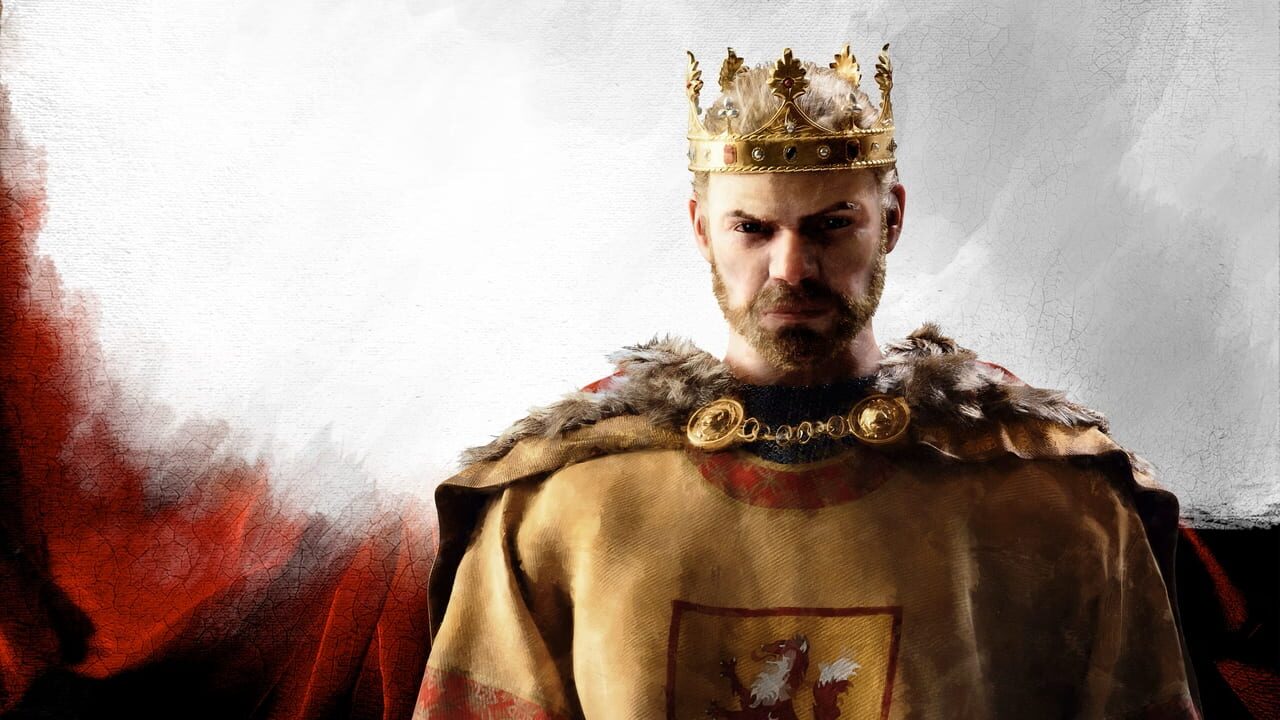
Crusader Kings III
Paradox Development Studio · Strategy, Simulation, RPG
Overview
Love, fight, scheme, and claim greatness. Determine your noble house’s legacy in the sprawling grand strategy of Crusader Kings III. Death is only the beginning as you guide your dynasty’s bloodline in the rich and larger-than-life simulation of the Middle Ages.
Read moreShow less
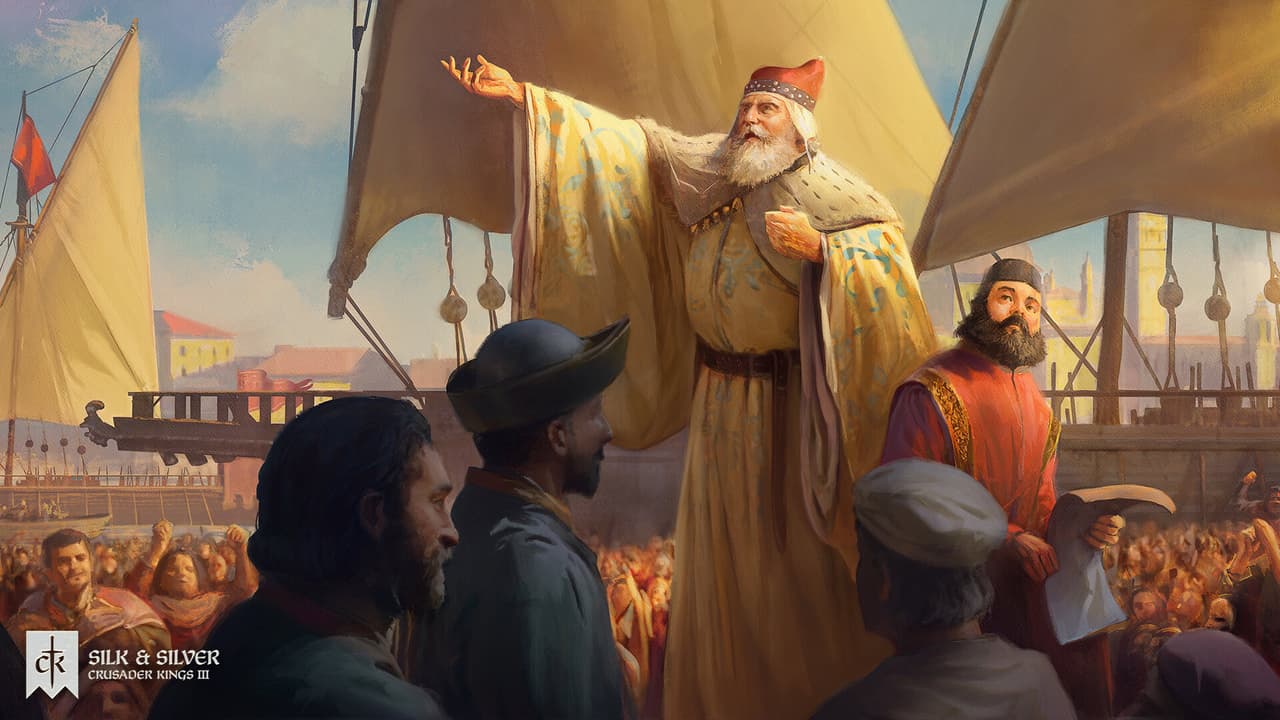
Your legacy awaits. Choose your noble house and lead your dynasty to greatness in a Middle Ages epic that spans generations. War is but one of many tools to establish your reign, as real strategy requires expert diplomatic skill, mastery of your realm, and true cunning. Crusader Kings III continues the popular series made by Paradox Development Studio, featuring the widely acclaimed marriage of immersive grand strategy and deep, dramatic medieval roleplaying.
Take command of your house and expand your dynasty through a meticulously researched Middle Ages. Begin in 867, 1066 or 1178 and claim lands, titles, and vassals to secure a realm worthy of your royal blood. Your death is only a footnote as your lineage continues with new playable heirs, either planned… or not.
Discover a sprawling simulated world teeming with peasants and knights, courtiers, spies, knaves and jesters, and secret love affairs. An extensive cast of historical characters can be romanced, betrayed, executed, or subtly influenced.
Explore a vast medieval map stretching from the snowswept Nordic lands to the Horn of Africa, and the British Isles in the west to the exotic riches of Burma in the east. Claim, conquer, and rule thousands of unique counties, duchies, kingdoms, and empires.
Each character is larger than life, with traits and lifestyle choices determining their actions and schemes. Prompt fear and dread as you rule with an iron fist, or inspire your subjects with magnanimous deeds. Genetics can be passed along to your children, be it the gift of genius or crippling stupidity.
Groom your heir with the appropriate guardians or educate them yourself. If found wanting, marry them off or despatch them through other means.
Customize your ruler and noble house, from appearance to attributes, and create a monarch worthy of all their inherited virtues and vices.
Govern an ever-evolving realm and grant titles to whom you see fit - or usurp your liege to claim their crown as your own. Be wary of rivals, from restless serfs to revengeful concubines.
The shadows stir frequently, and danger lurks around every darkened corner. Recruit agents and other unsavory elements to undermine, blackmail, or murder those who stand in your path. Or be inspired by the bard and ballad, and seduce your way to power and influence.
Blood will flow. Assemble men-at-arms units and powerful knights. Manage your battlefield tactics and armies. Raid and plunder nearby lands or hire mercenaries and Holy Orders for your major conflicts.
Be a pious king to invite the religious powers to your side, or design your own faith as you battle between everlasting fame or eternal damnation.
Bring novel innovations to your culture and construct mighty castles and bastions to increase the wealth, prestige, and security of your realm.
The paths to follow are limitless: experience thousands of dynamic events and life-altering decisions tailored to each and every conceivable situation and character. There are countless ways of securing and keeping your place in the history books.
From the game's Steam store page.
THE GAMEQ VERDICT9,999 reviews analyzed
What players are actually saying
1. Summary
Players love Crusader Kings III as a story machine. They describe playing a family rather than a country, where schemes, marriages, murders and failed heirs produce stories nobody scripted, and where a disaster can be more fun than a win. Mods widen that further, with the Game of Thrones total conversion (AGOT) named far more often than any other. Several reviewers call it the most accessible Paradox grand strategy game once the first confusing hours are over. Hundreds of hours on the clock are common, and plenty of players say plainly that they cannot stop.
Most of the frustrations sit outside that core loop. DLC comes up in 32% of the negative reviews: many complain about the total price, features they feel belong in the base game and packs they consider thin, while others blame a new expansion and its patch for breaking their game. Technical trouble appears in 28% of them, from crashes and whole-PC freezes to loading screens of 10 to 30 minutes, late-game lag and a launcher that will not start the game. Multiplayer desyncs, a shallow war system with a passive AI, repetitive event pop-ups and updates that break saves and mods come up less often.
2. What keeps coming up
What players praise
Emergent dynasty stories and roleplayHigh
Detailed positive reviews return to this again and again. Players call the game a medieval soap opera, the Sims with war or a Game of Thrones simulator, and they mean it as praise: characters have traits, ambitions and grudges, and the game turns those into betrayals, affairs, murdered heirs and sudden inheritances. Some reviews are written as long play-by-play stories of one dynasty, from a single Irish county to an empire and back to a landless exile. Players enjoy that failure stays interesting. "Losing can genuinely be more entertaining than winning," one player writes, and another says "No other game makes victory feel this bittersweet or failure this fun." Several reviewers say the game works best as a roleplaying game rather than a map-painting contest. Critics of the same system say the stories wear thin once the events start repeating, which feeds the split over depth below.
Mods and total conversionsHigh
Mods come up constantly in positive reviews, and some players say they bought the game for one in particular. A Game of Thrones (AGOT) is named far more than any other, followed by Lord of the Rings: Realms in Exile, Elder Kings 2 and Princes of Darkness, plus smaller mods that fix balance or remove mechanics players dislike, such as plagues. "It's the Game of Thrones game I've wanted for twenty years," one reviewer writes about AGOT. Being able to earn achievements while using mods prompted at least one player to write a positive review. On the negative side, a few reviews say a mod is the only reason they play at all, and some players complain that small patches break the big mods they rely on.
Endless replay value and a game that eats your timeMedium
Reviewers call the game addictive and a time sink; one still whispers "just one more year." Some describe looking up to find it is the middle of the night. Different start dates, regions, religions and governments make each run feel new, and some say they still find mechanics they had never seen after hundreds of hours. The same pull turns up in a handful of negative reviews that call the game too addictive. "The game respects your imagination but not your time" comes from a player who recommends it but resents clicking through near-identical events to get there.
History you can play withMedium
Players who enjoy medieval history praise the map, the cultures and faiths, and the chance to rewrite events with real historical rulers. Several say it taught them geography and noble titles, sent them to Wikipedia, or helped them in history class. The cultural and religious customisation (founding a faith, hybridising cultures, reforming paganism) gets specific praise. A few reviewers object to historical inaccuracies in particular regions, such as parts of Eastern Europe.
New ways to play from the larger expansionsLow
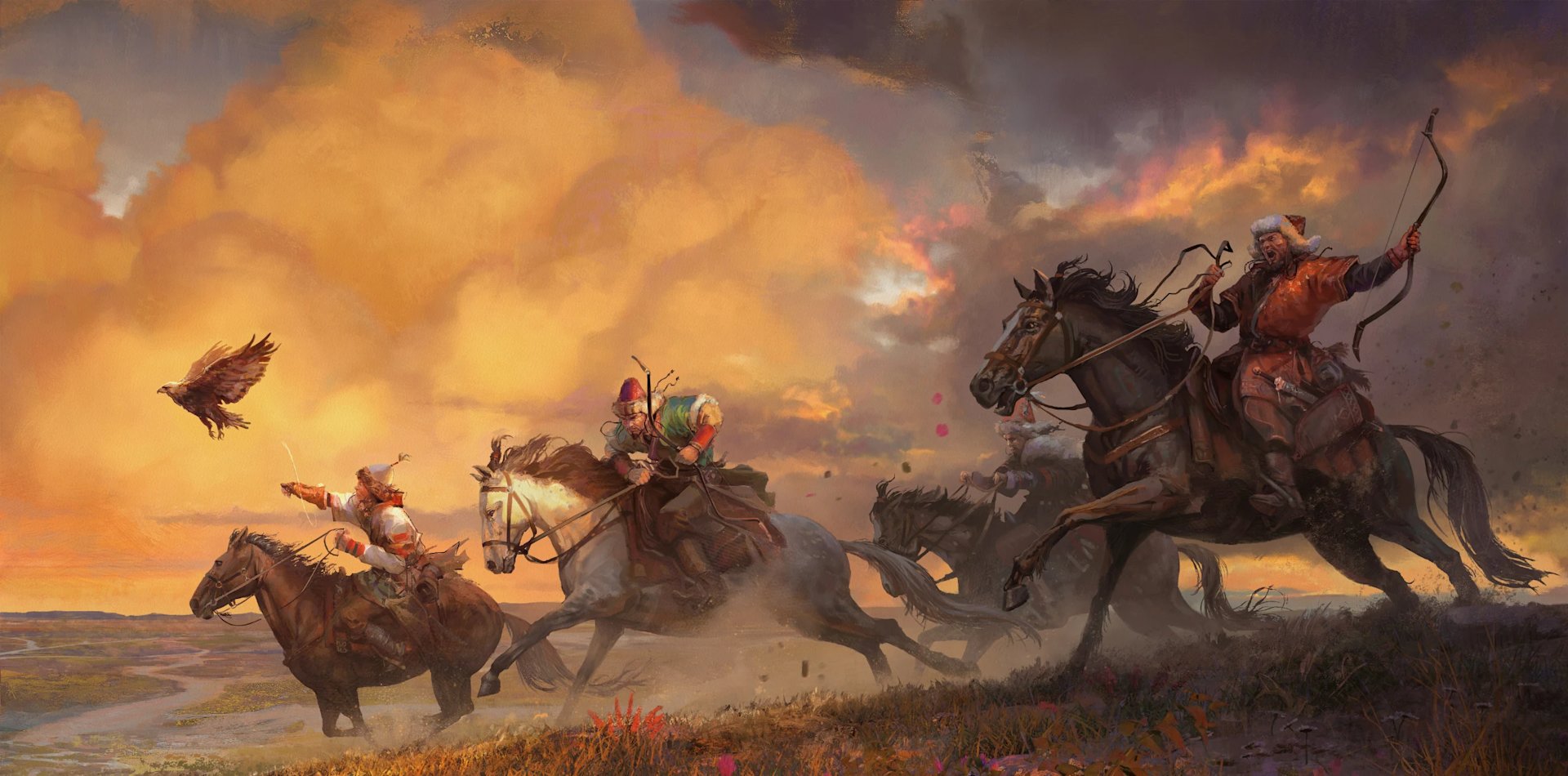
Reviewers name landless adventurers from Roads to Power, the Byzantine administrative government, the nomads of Khans of the Steppe and Tours & Tournaments as expansions that change how the game plays. "The base game is fun, but the Roads to Power DLC makes this game great," one player writes. These are among the packs reviewers suggest when they tell newcomers which DLC to buy, along with Royal Court and All Under Heaven. At least one player dislikes the administrative government because it turns play into micromanaging influence.
Where players are split
The learning curve and the tutorialHigh
Reviewers who bring up the learning curve agree the start is overwhelming; they disagree on whether that is acceptable. One group says the curve is steep but worth it, that YouTube guides fill the gaps, and that it clicks after somewhere between a few hours and a few dozen. Some add that Crusader Kings III is easier to get into than other Paradox games, with nested tooltips and in-game hints doing much of the teaching. "Intimidating to get into, but worth the persistence," one player writes. The other group quits confused. They say the tutorial shows buttons and terms without explaining how to play ("The tutorial doesn't seem to actually explain anything about how to play"), and one adult with little spare time to game concludes that "This game is homework." A few reviewers offer the same tip: start small, as a count or a minor ruler, instead of as a king.
Too easy or unfairly randomMedium
Reviewers describe the same systems in opposite ways. Experienced players say the game becomes trivial once you learn it: men-at-arms, knights and building bonuses let the player crush AI armies of any size, the AI rarely uses the mechanics the player can, and "Once you understand the mechanics and the UI, you are basically a god." Others feel bullied by chance: high-odds schemes and events still fail, plagues wipe out families, neighbours declare war the moment you are weak, and an unexpected larger army or a claimant undoes decades of work. Several reviewers argue both at once, saying the AI is passive overall but the dice and scripted events feel aimed at the player.
Crusader Kings II versus IIIMedium
The comparison runs through hundreds of reviews. Supporters say Crusader Kings III is more polished, better looking and much easier to learn, and some feel it has finally caught up with or passed its predecessor. Critics borrow a line that turns up in several reviews, calling it wide as an ocean but shallow as a puddle. They miss playable republics and merchant trade, navies, societies, bloodlines, a real papacy and crusade mechanics, and the stranger events of the older game, and several suggest trying the free Crusader Kings II first.
All Under Heaven and the expansion eastMedium
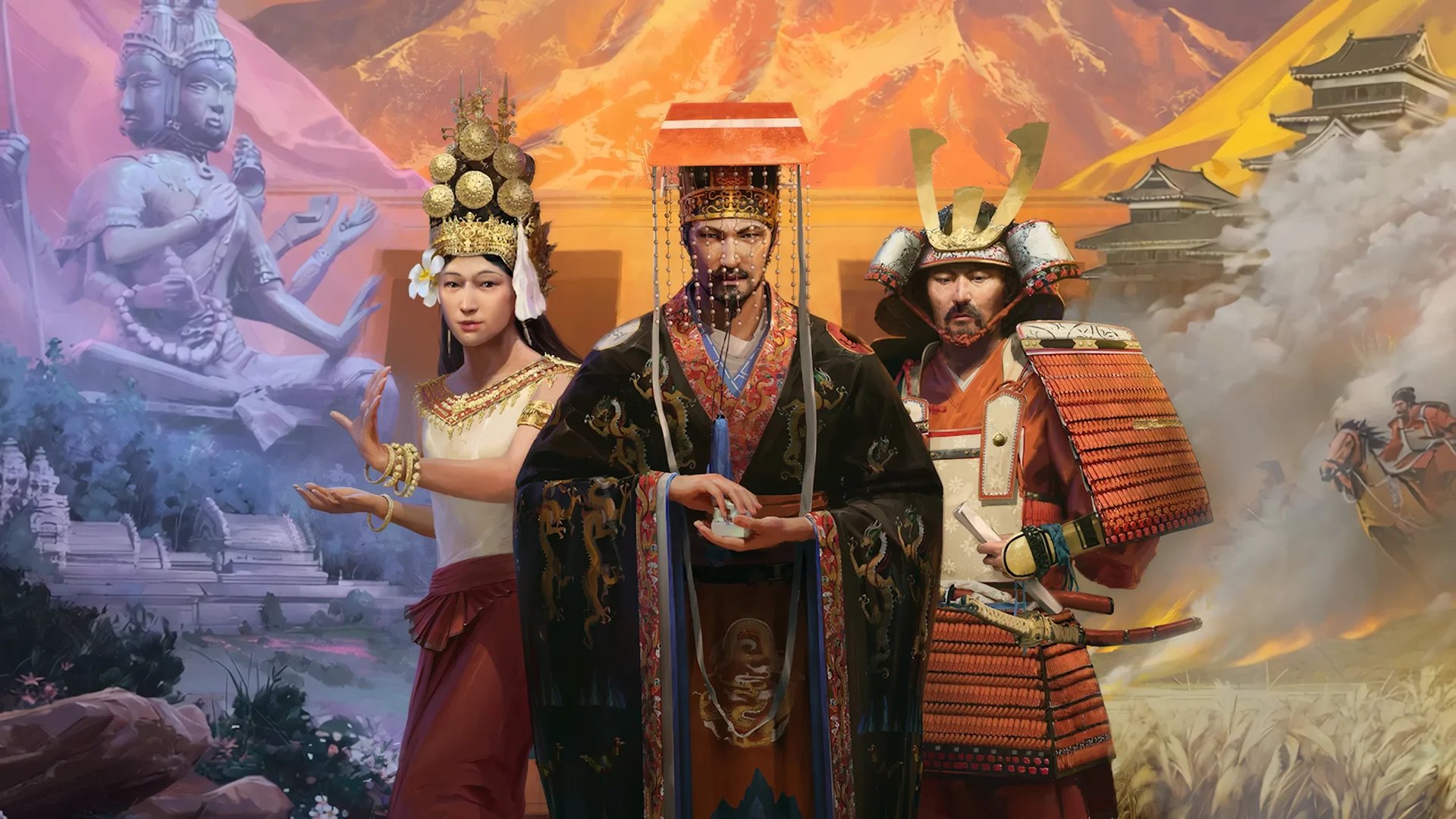
All Under Heaven, which reviewers describe as bringing China, Japan and the rest of East Asia onto the map, is the release they discuss most. Its fans are enthusiastic: "All Under Heaven is insane. Another 1000 hours of content easily," one writes, and some were glad to see places such as the Philippines and Vietnam represented. Others report that the bigger map hurt performance ("Latest update all under heaven tanked my game's performance"), and one calls the Court of China "totally unforgiving of the smallest mistakes." A few reviewers would rather see Europe, the game's namesake and core focus, deepened than the map expanded again.
Plagues, legitimacy and other systems that punishLow
The plague and legitimacy systems divide players. Some enjoy the added danger; others call plague outbreaks repetitive event spam and legitimacy a downward spiral, and several turn plagues off or mod them out. In late April 2026 a group of negative reviews, several from players who like to play tall, complained about a balance patch that, according to them, cut the domain limit bonus from stewardship and added infirmity effects to aging characters.
What frustrates players
DLC prices and content locked behind DLCHigh
DLC is the topic that comes up most in negative reviews, and price complaints appear in positive reviews too. Reviewers quote totals of roughly €185 to €300 or $200 to $400 for the full set of DLC, and some say the base game feels empty or "barebones" without the main expansions. Specific grievances repeat: core-looking features such as culture hybridisation sit inside unrelated packs, cheap event packs add little, and the Coronations pack in particular was called buggy and "mod-tier." Another grievance is that the base game applies penalties you can only remove by buying DLC: "I have an in-game penalty I can't get rid of without spending £25 real world pounds on a DLC," one player writes about court grandeur without Royal Court. Some positive reviewers recommend the game with the same advice: buy the base game, wait for a sale, and pick only the major expansions. Others vote no over it. One negative review opens "Good game, terrible monetization practices," then explains that an active subscription kept the player from buying bundled DLC in the sale.
Crashes, freezes and very long loadingHigh
Players describe crashes every 5 to 40 minutes, crashes at save or in large late-game wars, crash reports that fail to send, and freezes that lock the whole PC and force a hard reset, which several tie to Windows 11 and recent Intel CPUs. Loading is a separate grievance: reviewers report sitting on the "initializing" screen for 10 to 30 minutes, even on SSDs, and "Half my playtime is from trying to load into the game." Players with strong hardware also raise late-game lag and memory use on long campaigns, and Mac and Linux players report the game failing to launch or running badly after updates. Some players say particular patches fixed things for them, and a few report no problems at all.
Multiplayer desyncsMedium
Reviews from players who bought the game to play with friends are often bitter. They describe constant out-of-sync errors, sometimes every few minutes, campaigns that cannot be continued, long lobby setup and community workarounds that require deleting files or avoiding certain buttons. Several date the decline to the Tours & Tournaments expansion. "TL;DR Fantastic game unless you have friends you want to play with," one review ends. A minority reports improvement: one player says the resync feature added with All Under Heaven "has actually made multiplayer playable for me and my friends."
Shallow war and a passive AIMedium
Warfare draws steady criticism. Players call combat automatic dice rolls with little to do, complain that enemy armies run away and must be chased for years, that retreating armies move too fast, that there are no navies, and that allied AI armies ignore battles nearby or refuse to join defensive wars. The AI is described as passive and unable to use the systems the player exploits, which feeds the "too easy" complaint above. Several ask for direct control of allied armies or more Total War-style battles, and some use a mod that links battles to Total War.
Repetitive events and pop-up spamMedium
Reviewers with long campaigns say they see the same handful of events again and again, often with an obvious best choice. Newer systems such as the Royal Court, plagues and activities are blamed for a stream of pop-ups that interrupts play: "This game drowns you in endless pop-ups, tooltips, and character dialogue." A few reviewers also find the event writing silly or juvenile.
Updates that break saves and modsLow
Some reviewers complain that patches invalidate running campaigns, strip artifacts of their effects or randomise character appearances, or break the mods players rely on. Players with long campaigns and large mod lists raise this, and it often appears alongside the stability complaints.
Missing basic optionsLow
Smaller groups raise the lack of keybind remapping (a real barrier for AZERTY and other non-QWERTY keyboards), a mouse that escapes to a second monitor, no Arabic, Turkish or Brazilian Portuguese translation, and half-working controller input. Each is minor in volume but stops the affected players from playing at all.
3. The player conversation
The tone is warm but conflicted. A large share of the reviews are short and affectionate ("peak," "addictive," a joke about marrying a cousin), while the long reviews are where the criticism lives. Negative reviews from players with hundreds of hours often still praise the game, then vote no over DLC pricing, crashes or the comparison with Crusader Kings II. Several say outright that they will switch back once a particular bug or pricing issue is fixed, and some have already flipped back and forth more than once. Reviewers with only a few hours raise a different set of problems: the game crashing or not launching, long first loads and a tutorial that leaves them lost.
Weekly sentiment moved around the releases. In mid-September 2025 it fell to 73% positive, and that week's negative reviews complained about DLC pricing, the new Coronations pack and crashes after an update. The launch week of All Under Heaven in late October 2025 was one of the busiest in the corpus and also below the usual level, with expansion praise beside performance and multiplayer complaints. Late November 2025 brought a wave of short, general praise (95% positive). Another dip came in late April 2026, alongside the complaints about the balance patch described above, and most weeks through the summer of 2026 were back above it.
4. What the developers could do
- Fix crashes, PC freezes and loading times first. Players describe frequent crashes, whole-system freezes and 10 to 30 minute loads on capable hardware, and some newer players never get past launching the game.
- Stop penalising players for not owning DLC, and lower the cost of a complete game. DLC is raised in 32% of negative reviews, and penalties such as court grandeur without Royal Court draw particular anger; reviewers want cheaper packs and core features in the base game.
- Make multiplayer reliable. Players who bought the game for co-op describe desyncs every few minutes and broken campaigns, and the resync feature already won back at least one group.
- Give war and the AI more depth. Reviewers want allied armies that help, AI rulers that use the same systems as the player, real challenge for experienced players and long-requested systems such as navies, republics and better crusades.
- Cut event repetition and pop-up spam. Players with long campaigns report seeing the same events constantly and say the pop-ups interrupt play.
- Protect saves and mods across updates. Reviewers describe patches that ruin running campaigns and break mods; save compatibility and clear warnings before balance changes would address both.
- Rebuild the tutorial around how to play. Newcomers who quit say the tutorial explains buttons and terms but not goals, and reviewers' own advice (start small, ignore kings at first) could be built into it.
- Add keybind remapping and fix Mac and Linux launches. Non-QWERTY keyboard users and Mac and Linux players report they cannot play at all, a small group but a complete block for them.