Disco Elysium
ZA/UM · RPG, Indie, Adventure
Overview
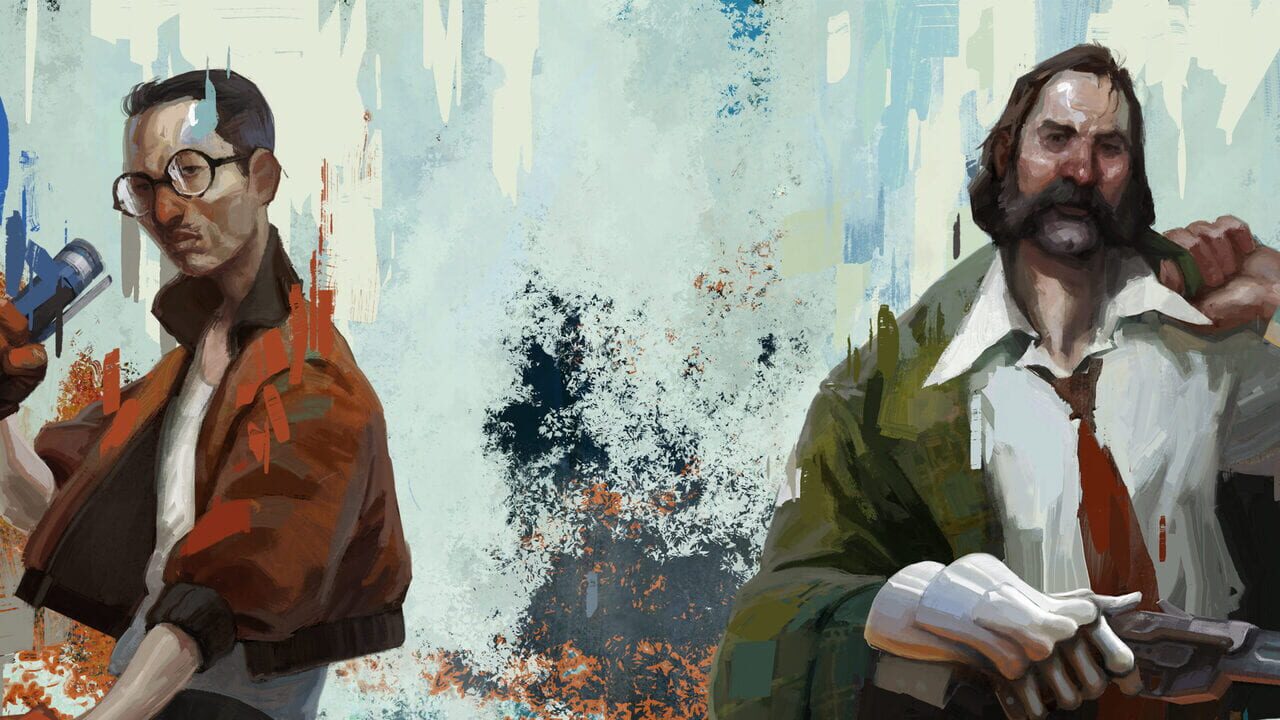
Disco Elysium is a role-playing game developed and published by ZA/UM. It is set in the fictional city of Revachol, where players assume the role of an amnesic detective investigating a murder. The game emphasizes dialogue and skill-based choices, with character attributes represented by internal voices that influence decisions and interactions. Its narrative explores themes of politics, philosophy, and personal identity, and it is known for its unconventional gameplay and deep storytelling.
THE GAMEQ VERDICT9,619 reviews analyzed
What players are actually saying
1. Summary
The writing is what reviewers come back to: 30% of the longer reviews bring up the writing or the writers. Praise also goes to the painted art, the dark humor, the full voice cast, the invented world and the soundtrack, which a few say they still play on Spotify after finishing. Kim Kitsuragi, the lieutenant who partners the detective, gets plenty of affection of his own. 8% describe the game as personal: it made them cry, or they saw their own depression, addiction or grief in the detective, and a few credit it with getting them through a bad stretch. Several reviewers also describe bouncing off once or twice before it clicked.
Among reviewers who don't recommend it, 29% call it boring, tedious or a chore, pointing to the amount of reading and to walking back and forth between the same people. Others hit walls: required skill checks they could not pass, days that would not end because there was no way to pass time, sudden game overs with the last autosave far behind, and old bugs. Players also disagree about the politics in the story and about the dice. People who like reading and slow, talky role-play often call it one of their favorite games, and much of the criticism reads as a mismatch of taste: 38% of negative longer reviews mention boredom or the reading load.
2. What keeps coming up
What players praise
Writing and dialogueHigh
Reviewers praise how sharp, funny and sad the dialogue is, how every minor character seems to have a life of their own, and how side quests loop back into the main case; 30% of the longer reviews talk about the writing. "The writing is on another level." Several compare it to literature rather than to other games. Some players found it overwritten or pretentious, and a few admit to skimming, either because the voices read slower than they do or because the conversations lost them.
The painted art styleHigh
Players love the oil-painting look of the backgrounds and the expressive character portraits, and the skill portraits in the character sheet get their own mentions; 19% bring up the art, portraits or visuals. "Visually it's such a beautiful game, every frame is a piece of art." A few find it drab, and a few note that the 3D character models look rough next to the painted portraits.
HumorHigh
16% mention laughing or call the game funny or hilarious. Reviewers laugh at absurd dialogue options and at their own failures, since failed checks produce some of the scenes they retell, and early deaths from a necktie on a ceiling fan or a light switch turn up again and again as jokes. "Failure is often funnier than success," one player writes. A few find the humor too grim to enjoy; one negative reviewer calls it "sticky", the opposite of light and fun.
Full voice actingHigh
The narrator, who voices all of the skills in the detective's head, gets the warmest words: "The narrator, voiced expertly by Lenval Brown, is a particular standout." 15% mention the voice acting or the narrator, and reviewers note that this edition is fully voiced. Players who don't usually like text-heavy games say the voices are what got them through: "I could not imagine playing the game without the voice acting." A few disagree, finding some performances grating or the lines delivered slower than they read.
A dense, believable worldHigh
The story stays in one run-down district while hinting at a whole invented history, and players like how lived-in that makes it feel; 15% mention the worldbuilding, lore or setting. "Modern day lord-of-the-rings level of detail in world building" is how one reviewer puts it. Others feel buried early on in names, places and invented terms (see the split on the first hours).
SoundtrackMedium
12% mention the music. Reviewers praise the melancholy score and name specific tracks, and some kept listening after the game: "The trumpets live in my head rent-free..." Criticism is rare: one player calls the ambient music sparse while still finding it fitting, and one negative reviewer found the soundtrack repetitive.
Kim Kitsuragi and the rest of the castMedium
"I wanna be 10% as cool as Kim and I'll be accomplished in life." 9% name Kim, the calm lieutenant who partners with the player, and some call him one of their favorite characters. Players write about earning his trust over the case and about the moments he shares with the detective, and several joke that they can't romance him. Cuno and other locals also come up as memorable. Complaints about Kim are rare; one player wishes he worked more like a party member, with his own experience and inventory.
Personal and emotional impactMedium
Reviewers write about seeing their own depression, addiction or heartbreak in the detective, and some credit the game with helping them: "I am not being dramatic when I say this game changed my life." In all, 8% talk about crying, being moved, or a story that stayed with them. A few players say the bleak material is exactly why they stopped.
Builds and replay valueMedium
Skill choices change what the detective notices and which conversations open, so players report finding new scenes on second and third runs; 8% talk about replaying or trying different builds. Others say the main plot stays the same whatever you do (see the split on choice and linearity).
Skills as voices in your headMedium
Each skill speaks as its own personality and argues with the others, and 8% mention this system or the Thought Cabinet of ideas you can internalize. "The skill checks talking to you is a stroke of genius," writes one player. A smaller group calls the Thought Cabinet's bonuses opaque or not worth the effort.
Runs on almost anythingLow
Some players report it running well on old laptops, Linux and Steam Deck. "It is practically flawless on Steam Deck," says one, who also saw slowdowns after several hours that a restart cleared.
Where players are split
Politics in the storyHigh
22% of the longer reviews bring up the game's politics or ideologies. You can play the detective as a communist, a fascist, an ultraliberal or a moralist, and fans enjoy that every side gets mocked: "In fact, if you are wondering, the game does poke fun at both left, center and right." A small group objects outright, calling it propaganda or preachy: "The game constantly tries to shove politics down your throat". Others found the political debates too long or said they did not engage them.
A game that is mostly readingHigh
Visual novel, interactive book, barely a game: 17% talk about how much reading there is. Often it comes as a warning to others rather than a complaint: "It's the closest thing I have experienced to an interactive book." Players who wanted more to do treat it as the core problem: "I just like more game with my game, and I am sure I am not the only one." Both groups describe a game with no combat that happens almost entirely in dialogue.
Dice rolls and failed checksMedium
Fans of the dice like that failing a check rarely ends anything and often opens a funnier path. Others resent losing checks they were heavily favored to pass ("I had like 90% chance and still failed three times in a row") and admit to reloading saves to reroll. In all, 11% talk about dice, rolls or chances, and save-scumming comes up in 2% of the longer reviews, some as a confession and some as advice not to do it.
Slow, confusing first hoursMedium
Players describe feeling lost, overwhelmed or confused, mostly in the opening hours. Several tell of bouncing off and coming back later: "It took 3 tries to get into this game over 5 years." Recommenders tell newcomers to give it a few hours, while several players who refunded early say nothing happened and the mechanics were never explained.
Bleak toneLow
A smaller group calls the game depressing, bleak or gloomy. Some love that it doesn't flinch from poverty, addiction and despair while still finding hope; a few players who play games to escape say this world was not a place they wanted to be.
The endingLow
"The ending feels a bit abrupt," writes one player, and others call it rushed or underwhelming. Some defend that same suddenness: "I loved the ending as abrupt as it is". One found it satisfying because most of the side quests tied into it.
Choice versus railroadingLow
Some say their decisions changed conversations and outcomes. A smaller group feels the main case always plays out the same way and that some investigation steps can only be done in one order: "There is a massive illusion of choice in this game".
What frustrates players
Boredom, tedium and backtrackingMedium
Among negative reviews, 29% call the game boring, tedious, dull or a chore; across all the longer reviews it is 9%, a few of them only to say the game never bored them. The bored players describe walking back and forth across the same small map, repeating conversations with the same handful of people, and fetch-style tasks between talks. One fan says the middle drags, and several recommend the game while warning that it asks for patience.
Clunky movement and navigationMedium
"The terrain is wack and the art doesn't convey where you're supposed to walk." Players report the character stuttering between walking and running, getting caught on narrow spaces and stairs, and not being able to tell where the painted scenery is walkable; 5% raise movement, pathing, controls or backtracking. Reviewers say fast travel only works from a few specific spots, and a couple ask for key rebinding.
Stuck with no way forwardMedium
4% of the longer reviews describe getting soft-locked, stuck or running out of things to do, and among the negative ones it is 11%. They name three causes: a required white check you cannot pass because your skill is capped or you have no points left; a quest step that only opens after an unrelated action; and time gates, where a lead waits for a later hour but the day won't advance. "You can only sleep after it's 9 PM in-game," one notes, and another could not sleep on a bench with Kim following, so players exhaust old dialogue or reread books to pass time. "A skill check should never prevent progress," writes one reviewer.
Bugs and crashesMedium
Keys vanish ("keys keep disappearing from my inventory"), the game slows down after hours of play like a memory leak, the music bugs out, saves fail, consumables need to be equipped twice, and quests or journal entries do not clear. 4% report bugs, crashes, freezes or stutter, and a smaller number could not launch the game at all.
Sudden game overs and sparse autosavesLow
3% bring up deaths, game overs or lost progress. Some enjoy instant deaths from a failed roll, but losing hours of play to one is another matter: "Make sure to save regularly because auto-save isn't frequent enough". Players also mention dying in conversations they could not leave to change clothes or save first.
Clothing managementLow
Players like that clothes change your skills but find managing them tedious: no sorting, no saved outfits, and no changing in the middle of a conversation when a check comes up. "My only suggestion could have been a way to sort clothing."
Ads for the studio's next game in the menusLow
A small group complains that updates added a large advertisement and link for the studio's next game to the title screen and pause menu. "The latest update added a large ad not only to the main menu, but also to the pause menu."
Smaller technical and accessibility complaintsLow
Isolated reviews mention a bleeped slur with no option to turn the bleep off ("the obnoxious censorship of bleeping out the derogatory F-slur word"), a tiny mouse cursor, controller menus that feel awkward, occasional freezes on a Mac, a computer overheating, and no Indonesian subtitles.
3. The player conversation
Recommending reviews often read like thank-you letters, full of skill-check parodies and quotes from the game, and one caveat keeps turning up in them: this is a reading game and not for everyone. Negative reviews fall into two groups. One says the game simply isn't for them (too slow, too wordy, too bleak, nothing to do), often after a short try. The other likes the story but ran into progress walls, time that won't pass, bugs and clunky movement.
Reviewers with only a few hours mention confusion and early game overs more often than the rest. Soft-locks come up most among players well into the game, once the early leads run dry, and talk of the ending comes almost entirely from people who played long enough to reach it. Complaints about the amount of reading turn up at every stage. Across all of them runs the second attempt: reviewers who quit once, came back later, and then could not stop.
4. What the developers could do
- Remove progress dead ends. Players who hit a mandatory check they cannot pass, or a lead they cannot reach, describe it as the point where they quit or reloaded hours back, so every required check needs a fallback route or a retry path that does not depend on a capped skill.
- Let players pass time freely. Reviewers stuck waiting for an in-game hour repeat old conversations or reread books, and a wait option that works anywhere, with Kim present, would remove that chore.
- Autosave more often, especially before risky checks. Players who lost hours of play to a sudden game over ask for more frequent autosaves and a save point before conversations that can kill.
- Fix the long-standing bugs. Players still report keys vanishing from the inventory, slowdowns after long sessions, audio glitches, failed saves and quests that won't clear, some of them in reviews that recommend the game.
- Smooth out movement and navigation. Players who say getting around the map wore them down ask for clearer walkable areas, better pathing on stairs and narrow spots, key rebinding and more fast-travel points.
- Add a light guide to the opening. Players who felt lost early ask for optional explanations of skills, checks and the Thought Cabinet so the first hours are less likely to end in a refund.
- Make clothing faster to manage. Sorting, saved outfit sets and changing clothes during a check would cut the inventory busywork reviewers describe.
- Take the ads out of the menus. Players who found an ad and link for another game added to the title and pause screens ask plainly for it to go; one negative review reads, in full, "Remove the ad".