Graveyard Keeper
Lazy Bear Games · RPG, Simulation, Indie
Overview
Build and manage a medieval graveyard while facing ethical dilemmas and making questionable decisions. Welcome to Graveyard Keeper, the most inaccurate medieval cemetery sim of the year.
Read moreShow less
Graveyard Keeper is the most inaccurate medieval cemetery management sim of all time. Build and manage your own graveyard, and expand into other ventures, while finding shortcuts to cut costs. Use all the resources you can find. After all, this is a game about the spirit of capitalism, and doing whatever it takes to build a thriving business. And it’s also a love story.
- Face ethical dilemmas. Do you really want to spend money on that proper burger meat for the witch-burning festival, when you have so many resources lying around?
- Gather valuable materials and craft new items. Expand your Graveyard into a thriving business. Help yourself -- gather the valuable resources scattered across the surrounding areas, and explore what this land has to offer.
- Quests and corpses. These dead bodies don't need all those organs, do they? Why not grind them up and sell them to the local butcher? Or you can go on proper quests, you roleplayer.
- Explore mysterious dungeons. No medieval game would be complete without those! Take a trip into the unknown, and find discover new alchemy ingredients -- which may or may not poison a whole bunch of nearby villagers.
From the game's Steam store page.
THE GAMEQ VERDICT10,000 reviews analyzed
What players are actually saying
1. Summary
Four in five reviews in this slice recommend Graveyard Keeper. Players describe a morbid, darkly funny life sim where you dissect corpses, sell suspicious meat to the tavern, run a church, raise a zombie workforce and help a communist donkey and an alcoholic talking skull, and some sum it up as "goth Stardew Valley". The writing and characters, the detailed pixel art and the crafting and tech-tree loop are the main draws. Some fans describe losing whole days to "one more day" sessions, and 36% of reviewers had logged 50 hours or more when they wrote. Many also value that nothing is on a timer: no seasons, no forced bedtime, no quest deadlines.
The game explains almost nothing, has no real quest log, and shows recipes only at the right workbench; a few players call it unplayable without the wiki, and 53 reviews mention playing with a wiki or guide open. The grind is heavy, the keeper walks slowly across a large map, energy runs out fast, key NPCs appear only one day a week, and the late game turns into meditating through empty weeks toward an ending that dozens of reviews call flat or anticlimactic. Long-standing bugs (the donkey that stops delivering corpses, frozen cutscenes, lost saves) and a sense that the game was abandoned round out the complaints. Positive reviews raise many of the same problems, and advice to wait for a sale turns up on both sides.
2. What keeps coming up
What players praise
Dark humor, writing and memorable charactersHigh
Reviewers quote the communist donkey who unionizes against you and demands carrots, Gerry the drunken skull, the hypocritical inquisitor, the bishop and his "Our church is great" sermon, and a steady stream of pop-culture nods (a Geralt cameo among them). Players enjoy the story's twists and the way questlines interlock. A minority find the humor thin, say the jokes land mostly in the first hours, or call the characters little more than quest dispensers, and some disliked the babbling "voice" sounds.
An addictive crafting and progression loopHigh
For players who click with it, the tech tree and multi-stage production chains keep paying off: every day ends with a new unlock, and players describe playing until 2 a.m., missing dinners and losing weeks of vacation to it. "Addictive" and "hooked" come up in hundreds of reviews. Some who love it describe a mixed pull ("I hate that I love this game so much", one writes), and detractors call the same compulsion a sunk-cost trap.
Beautiful pixel art, atmosphere and musicHigh
The detailed sprites, lighting, water, weather and Halloween-tinged medieval village draw almost no criticism: only a handful of reviews fault the art, and more than a hundred negative reviews stop to praise it. The soundtrack is described as fitting, and some call it soothing. One caveat comes up repeatedly: the music has few tracks and grows repetitive over 100 hours. Some also find the sound effects cheap.
A unique, morbid premise on a familiar formulaHigh
The hook is being a medieval undertaker who autopsies bodies, grades corpses by skulls, buries or burns them and cooks their flesh into burgers. The Stardew Valley comparison appears in 16% of all reviews, and players drawn in by it say the dark theme and the focus on the tech tree make it feel like its own game.
Play at your own pace, with no time pressureMedium
Many players, Stardew fans among them, love that there are no seasons, no birthdays to miss, no penalty for staying up all night and no quest deadlines. Missing an NPC means waiting six days instead of a year. Players who treat the week as a relaxed rhythm praise this; those racing through quests resent it, which is the weekly-schedule complaint below.
Zombie automation as the payoff for the grindMedium
Unlocking zombie workers to chop wood, mine, press grapes and run stations is where several players say the game "opens up", and a few say they would have given up without it. Critics note it arrives late, takes significant investment to set up, and cannot automate some of the most tedious tasks, such as cooking.
Runs well on modest hardware and the Steam DeckLow
A small but steady group plays on low-end PCs or the Steam Deck and reports it runs smoothly and suits handheld sessions, with controller support a plus.
Where players are split
The grind: satisfying or disrespectful of your timeHigh
"Grind" appears in 14% of all reviews and in 27% of negative ones. Some fans enjoy it as slow, relaxing, podcast-friendly progress that pays off. Detractors say the game pads its length on purpose, with quests that reward you only with more quests, a 12-gold "aristocrat papers" requirement that forces hours of selling, resources carried one log at a time, and upgrades that arrive after you no longer need them. Many of the warnings come from people who recommend the game: 67 of the 85 reviews that call it "very grindy" are positive, and "buy it on sale" is common advice.
Stardew Valley comparison: better, worse or differentHigh
Some players call it better than Stardew (more story, more crafting depth, no seasonal stress). Others call it a less polished, lonelier imitation without relationships, romance, animals or customization. A third group calls it a crafting and logistics sim and warns that players expecting a cozy farm will be frustrated. A few are surprised by how little time goes to the graveyard itself compared with woodworking, smithing and fetch quests.
DLC: essential completion or cut contentMedium
DLC comes up in 12% of reviews. Some players say the three paid expansions make the game complete. Those who rank them most often name Stranger Sins (the tavern and the backstory it adds) as the best, Game of Crone has its fans, and a couple call Better Save Soul the weakest. The objections are specific: players resent that the base ending jokes about needing DLC, that roughly half the achievements are DLC-locked, that the tavern breaks the economy, and that enabling all DLC at the start floods a new save with quests. Advice splits between playing "the full game with all the DLCs from the beginning" and "play the base game first, then try the DLC".
Discovery versus hand-holdingMedium
A small group, about two dozen reviews, enjoys that the game does not explain itself: figuring out systems feels rewarding and fits a protagonist dropped into an unknown world. Far more reviews treat the same design as a failure (see the next group).
Morbid or offensive contentLow
Players who enjoy the dark comedy count the cannibalism, witch burning and occult themes as part of it. A small group finds them off-putting: being forced to help burn witches to progress, cannibalism as a core money-maker, a slur used in an NPC's name and title, regressive dialogue from some female characters, and no option to play a female or customized protagonist. A handful of players also objected to the game's anti-capitalist satire.
What frustrates players
No guidance: recipes, quests and systems are unexplainedHigh
Early quitters raise the lack of guidance more than anything else, and across all negative reviews it comes up about as often as the grind. Mentions of needing a wiki, Google or a guide appear in 11% of all reviews and 23% of negative ones. The pain points are specific: no proper quest log (quests hide in the townspeople tab and dialogue can't be reread), recipes visible only at the workbench that makes them so players walk back for one missing nail, no way to pin a recipe, tech nodes that unlock items you still can't build, how to earn blue research points, faith being available only once a week, alchemy as unrecorded trial and error, the map not showing your position, and the teleport stone and its unlimited uses going unnoticed (one player found it after 75 hours). Several say they restarted two or three times after spending resources wrongly early on, and fans as well as critics describe keeping the wiki open.
Walking, travel and the big empty mapHigh
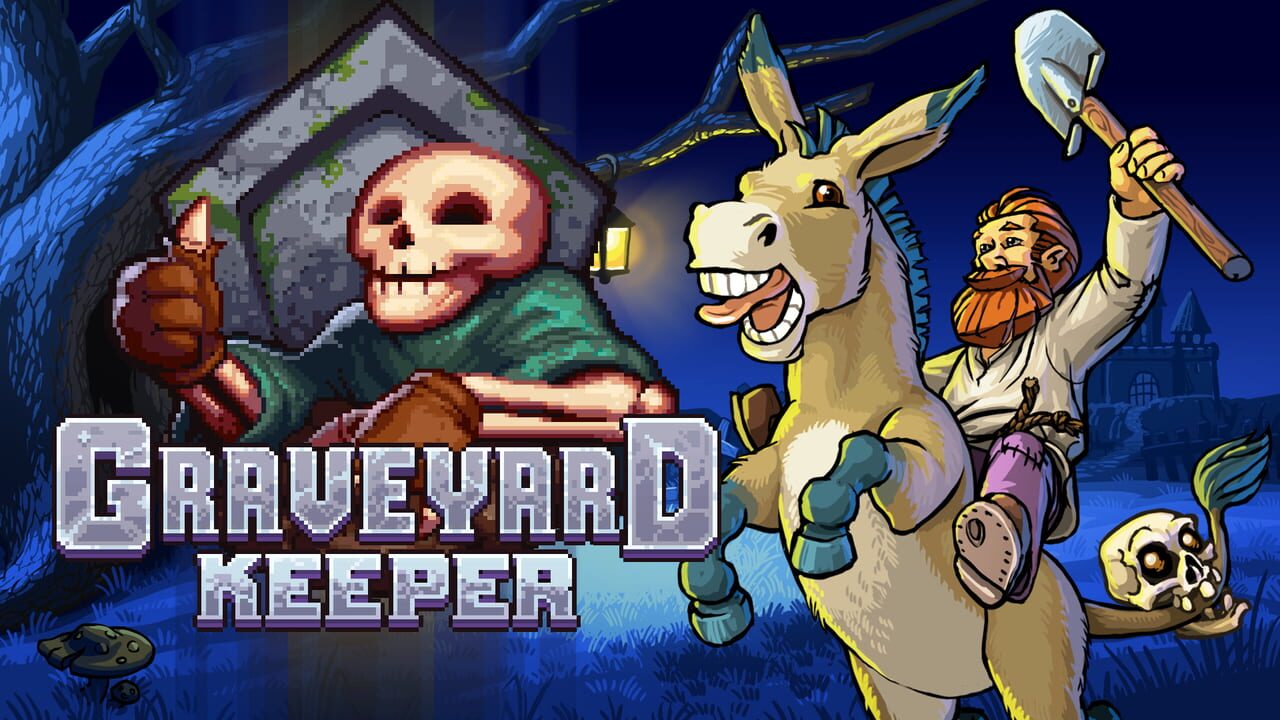
Walking and travel come up in 18% of negative reviews. The keeper is slow, there is no sprint or mount (the store art shows him riding the donkey, which players point out), key areas like the quarry, swamp and vineyard are far apart, the swamp is a maze, and the teleport stone has a cooldown, few destinations and can't go on the hotbar. Several players estimate that half their time goes to walking. Speed potions and the teleport stone are the usual tips.
Weekly NPC schedules and late-game waitingHigh
Key characters appear on one day of a six-day week, and quest chains bounce between them: miss the Merchant on his day or discover the next step needs someone who left yesterday, and you wait a week. Late-game players describe meditating on the stone garden through empty weeks. Most reviews that raise the schedule come from players past 30 hours.
Bugs, instability and a game that feels abandonedMedium
Bugs, crashes and soft-locks appear in 15% of negative reviews. The recurring ones: the donkey that stops delivering corpses (often tied to carrots or a boulder), cutscenes that freeze (the church entrance, the bishop, the skull), NPCs who vanish or stop progressing (the Merchant, the tavern keeper's wife, the Snake and Astrologer questline), soft-locks from spending early materials, save loss or corruption, crashes on sleep or save, stutter at high refresh rates (capping at 60 fps helps), growing lag from items left on the ground late game, no cross-platform cloud saves between Steam Deck, Mac and Windows, and the game pausing or minimizing when unfocused. Because you can only save by sleeping, each crash costs real time. Some say these issues have gone unfixed for years.
Energy and savingMedium
Energy drains fast, so early hours are a cycle of working and sleeping, and a debuff kicks in after heavy work. Saving only happens when you sleep, with no autosave or save-on-exit, which players find archaic and which magnifies every crash. Viewing the ending reverts you to your last save, which caught some players by surprise.
Inventory, storage and crafting UI frictionMedium
Players cite a small backpack, small stack sizes, chests that only feed crafting within their own zone, large logs and stones carried one at a time, logs that never despawn, buildings that can't be moved (demolishing loses materials), fixed build plots, unsellable junk, gold-star items that can only be crafted one at a time, and crafting jobs that can't be queued or cancelled at some stations. Several say they needed mods for inventory and speed to finish.
Late game and an anticlimactic endingMedium
Some players who reached the end say the last quarter falls apart: money, the graveyard and most tech become pointless once automation is running, the story leaves major threads unresolved, the town is never accessible (the town-pass quest ends with a lightning bolt, which some found funny and others insulting), and there is no post-game. Dozens of reviews call the ending flat, underwhelming or a letdown after 50 to 100 hours.
In-game ads and missing updatesLow
A mid-2023 patch that added menu ads for the studio's other games drew a cluster of negative reviews (about a dozen in June and July 2023 mention the ads), with players objecting to ads in a paid game and to a patch that added promotion but no fixes. Related complaints say the game looks unfinished and unsupported.
Typos and rough translationLow
A minority of reviews note recurring typos and awkward English in dialogue, mostly as a polish issue.
Shallow combat and fishingLow
The dungeon combat is called a one-button afterthought. The fishing minigame, where you watch the keeper's wrist instead of the bobber, and its long fish-count achievements frustrate some completionists.
3. The player conversation
Positive reviews are often one-liners ("goth Stardew", "communist donkey 10/10"). Negative ones run much longer (a median of 346 characters against 84 for positive reviews), and many come from players who put real time in, liked the art and writing, and still concluded the design wastes their time. Positive reviews raise many of the same caveats (the grind, the wiki, the walking), which suggests the two sides differ less over what the game is than over how much of it they will put up with. Early quitters talk about confusion, the tutorial, walking and energy; long-haul players talk about weekly waits, pointless late-game systems, DLC gating and the ending.
The biggest swings in the weekly numbers line up with outside events. In summer 2023 a patch that added menu advertising produced a short burst of angry reviews. In April 2026 the game was given away free to promote Graveyard Keeper 2, and review volume spiked to several hundred a week. The positive rate dipped to 64.5% in the week of April 6, and 44 of that week's 174 negative reviews complain about confusion or needing a guide. By the end of that month it had recovered to about 78%, and the week of the sequel's September 2026 launch sat at about 73%.
4. What the developers could do
- Add a proper journal with quest steps, reread dialogue and a recipe book. Lack of guidance is what early quitters raise most, and players specifically ask to track quests, reread NPC instructions and view or pin any unlocked recipe away from its workbench.
- Fix the long-standing progression bugs and add autosave. The donkey that stops delivering bodies, frozen cutscenes, vanishing NPCs and lost saves end playthroughs, and sleep-only saving turns every crash into lost hours.
- Speed up travel. A sprint, a mount or faster base movement, more teleport destinations and a hotbar slot for the teleport stone would address the walking complaints that come up in nearly a fifth of negative reviews.
- Soften the weekly gating in the late game. Letting players skip to a chosen day, or letting key NPCs accept deliveries off their day, would end the meditation-through-empty-weeks slog veterans describe.
- Cut inventory and crafting friction. Bigger stacks and backpacks, chests linked across zones, batch crafting for starred items, queue and cancel at every station, and movable buildings are the fixes players ask for and currently get from mods.
- Teach the early game better. Explaining blue research points, faith, corpse quality, the teleport stone and which early resources not to spend would stop the restarts and soft-locks new players report.
- Give the late game a purpose and pay off the ending. Uses for money and gold-star goods after automation, and resolution for the town and open story threads, would answer players who finished and found the ending "anticlimactic".
- Remove menu ads and do a polish pass on the text. Ads in a paid game and persistent typos read to players as a sign the game was abandoned.
1. Summary
77% of reviewers recommend Stranger Sins, Graveyard Keeper's first story DLC, and the story is what they praise most: 119 reviews speak well of the backstory, including 13 that still vote against the DLC. Gerry sends the keeper around the village collecting relics, and each relic unlocks a flashback to events two centuries earlier. Reviewers say this explains the ruins, the Town, why there is a graveyard keeper at all and who the talking skull used to be, and that it gives minor vendors their first real personalities. The tavern is the second draw. Stocked with wine and beer from zombie-run vineyards and breweries, it becomes the biggest income in the game, and several reviewers say it finally takes the edge off the base game's money grind. Of the reviewers who compare it with the other two DLC, most (15 of 19) call it the best.
Getting each flashback means chains of fetch quests, trips across the map and days of waiting for villagers who only visit once a week, a complaint in 47 reviews, including more than half of the negative ones. Price is the other recurring caveat. Fans who recommend it still tell others to wait for a sale, and a smaller group objects that story this central, including a changed ending, was sold separately at all. Players who added it to a finished save found the tavern's money useless and the quests mostly walking, while others recommend running it alongside the main game.
2. What keeps coming up
What players praise
Backstory that explains the villageHigh
Each relic unlocks a non-interactive animated flashback of events around 200 years before the game, and no other part of the DLC is praised as often: 119 reviews speak well of the story, lore or cutscenes. Reviewers say the flashbacks explain how the Town and the village came to be, the contract, why there is always a graveyard keeper, who Gerry used to be, and why ruins are scattered across the map, all things the base game leaves vague. Side characters get depth too. One reviewer wrote "I didn't even know the vendor Adam exist before this DLC." Another says "it adds more story then the entirety of the base game". The praise turns up in negative reviews as well, as in "Story-wise, it's a masterpiece. Gameplay-wise, not so much."
Ten reviews call the story weak, generic or badly written. Their objections run from "This feels like a bad retcon of the entire setting, and all the characters." to poor dialogue and a protagonist who has to steal from villagers' houses with no consequence. One player found the story fine but felt "it ended up answering a lot of questions I never really found myself asking", having expected more about the previous keepers and the great blast. Others say the effort buys only a few minutes of cutscenes.
A tavern that pays for everythingHigh
Money is what 47 reviews praise the tavern for. You build it between the village and the lighthouse, hire a bartender and stock it with wine and beer, plus food for events. An underground tunnel links it to your cellar, so zombies working the vineyard and brewery can keep it supplied with little effort, and 17 reviews describe running it that way. One player calls it "a money printing machine if you set it up right". Several say it fixes the base game's money grind by making point books, aristocrat papers and the late-game money requirements affordable, and one reviewer went as far as "Without this DLC, the main game of Graveyard Keeper would have gotten a negative review." It also gives the kitchen and winery a purpose: "Finally the brewed goods are used instead of moldering in a chest."
Often called the best of the three DLCMedium
Stranger Sins is the best of Graveyard Keeper's DLC according to 15 reviews, all written in 2022 or later and often pointing to the story. One says "If you had to choose only 1 of the 3 DLC to get, this is easily the one to grab without a second thought." Another calls it "The only one that feels like it was planned from the begining". Four reviewers disagree. Two prefer Game of Crone, one calls this "the weakest of the 3 DLCs", and another finds it the most generic of the three, with no new mechanic beyond another way to make money.
Fits into the base game seamlesslyLow
A handful of players say the DLC slots into Graveyard Keeper so naturally that it does not feel bolted on; one "couldn't tell the DLC from the base game" for some time. One reviewer of the full bundle felt the opposite and found the DLC content attached rather than well embedded.
Where players are split
Worth it, but on saleHigh
Of the 37 reviews that call the DLC overpriced or say to wait for a sale, 20 still recommend it and simply tell readers to wait for a discount. The other 17 vote against it, and for several of those the price is the main reason. One begins "Okay this is a thumb-down mostly about the price." Another puts a fair price at $5 to $7.50 because "$10 is pushing it a bit". Suggested sale prices run from a third off down to "1$ or less", and a recommending review carries the heading "Worthy addition for unworthy price". Only six reviews say it is worth the money at full price.
The tavern as something to runMedium
Running the tavern divides players more than its income does. 36 reviews speak well of running it, from building and upgrading tables and hosting events to competing with Horadric's tavern and having somewhere for the zombies' output to go. 24 find it thin or clunky. One wrote "you just give it alcoholic beverages and it gives you money, nothing more". Others point to a short list of upgrades, and one noticed that "all patrons suddenly start moving at the same time, like on a schedule". Events draw specific complaints. Which food suits which event comes down to trial and error ("no tutorial, no reason for certain foods and drinks doing better than other"), and a few say events are not worth hosting outside quests and achievements. Automation also stops short, since the tunnel carries only alcohol and "There is no way to bring up 2/3rds of the ingredients for beer, and no way to automate mead." Getting the tavern going takes money and production first, so some players found it sat unused until they no longer needed it. One complains "You cannot play the DLC unless you are a RICH guy in the main story."
Fresh save or finished saveMedium
Of 21 reviews that discuss when to play it, ten played it on a save where they had already finished or completed the game, and they found it thinner, with no use for the tavern's money and a questline that turned into walking and waiting. "Having already beat the game long before the DLC was introduced, the new content wound up being a cakewalk." Seven of those ten wrote in the first year after launch. Fourteen reviews advise starting it with a new game or running it alongside the main story, so its waits fill gaps between other quests. One detailed review warns that the window is narrow either way: "Start too early, and it's just dead weight you can't utilize. Start too late, and you wont need anything the tavern has to offer." One player had the opposite experience and found it the easiest DLC to play through in the endgame, with little waiting between quests.
What frustrates players
Fetch quests and waiting on weekly visitorsHigh
Each relic sits at the end of a chain: one villager wants an item from another, who will only talk once the tavern is upgraded, or who only comes to town on one day of the week. Players meditate to skip days and cross the map again and again. No complaint comes up more often: 47 reviews raise it, including more than half of the negative ones (25 of 46). "It's one fetch quest after another sometimes gated by having to wait for a certain day to get help from a certain NPC." Two reviewers, one recommending the DLC and one not, ended up thinking "please just let me see the end". Others weigh the effort against the payoff: "It took me probably 10-15 hours post beating the game to get like 5 minutes of story." Nearly half of these complaints (22) come from players who still recommend the DLC, and one says the errands at least "help to give a bit of direction in a game that can often feel rudderless".
Story that feels cut from the base gameMedium
Selling this story separately bothers 16 reviewers, 10 of them negative. One says "Seems like these story elements were designed since the inception of the game but were mostly removed or set aside to sell as this DLC." Some recommenders agree; one recommends it reluctantly because "The game is incomplete without it." The ending is part of this. Nine reviews note that finishing the DLC adds to or changes Graveyard Keeper's ending (one tip: "play the ending again, it changes it"). Some welcome that as the game's real conclusion, and others resent paying for it.
Money piles up with nothing to spend it onMedium
Once the tavern runs, the graveyard, the morgue, church sermons and merchant crates stop mattering and there is little left to buy, according to 16 reviews, nine of which still recommend the DLC. One player who finished a fresh game with it wrote "50 gold is just comically more than you could ever need." Another wrote "It was almost like easy mode switch turned on when I had built the tavern and had a few zombies making wine." A few players see the easier economy as a plus, especially on a first run.
Quest-breaking bugsLow
Five reviews report bugs, and the serious ones stop the DLC. One is a quest item bug around the Belt Buckle where cutscenes never trigger and no dig spots appear; a player writing in 2026 calls it six years old and says the only ways out are a working save from someone else or starting over. Another leaves the tavern unable to take events or new furniture after a party, so "Can't finish the quest line or upgrade the tavern anymore." Others report achievements that did not unlock and a frame rate drop on Linux. Two more reviews complain that the cutscenes cannot be skipped.
Another set of achievements to grindLow
Six reviews dislike the achievements. The tavern event achievements need huge amounts of food and drink ("extremely grindy if you want to get every achievement"), and a couple of completionists resent that each DLC's new achievements break their 100% record.
3. The player conversation
Many positive reviews are a line or two ("Adds a lot of lore.", "Backstory for characters"), while the negative ones tend to be longer and specific about the walking, the waiting and the price. Both sides describe much the same DLC: 13 of the 46 negative reviews still praise the story, and recommending reviews carry nearly half of the fetch-quest complaints and more than half of the price complaints. Among the negative reviews, the errands and the price are the reasons given most often.
A third of the reviews, and nearly half of the negative ones, were written in the first year after launch. 69% of those 70 reviews were positive, against 82% of the 137 written afterwards, and half of all fetch-quest complaints (24 of 47) date from that year. Several of those early reviewers say they had finished Graveyard Keeper long before the DLC came out, and they describe the content as waiting and walking with no use for the money.
4. What the developers could do
- Shorten the relic quest chains and cut the weekly waits. Fetch quests and waiting for once-a-week visitors are the most common complaint, in recommending reviews as well as negative ones, and one player suggested letting core villagers drink at the tavern "on the opposite day to their own" so quests can be turned in without waiting a week.
- Price it closer to what players say it is worth. 37 reviews call it too high or say to wait for a sale, and for several negative votes the price is the main reason.
- Fix the Belt Buckle and tavern event bugs. Players report saves where cutscenes never trigger or the tavern stops taking events, which blocks the questline with no way out in the game.
- Give late-game money somewhere to go. Reviewers say the tavern's income makes the graveyard, church and merchant income irrelevant and leaves them with far more gold than anything left to buy.
- Finish the tavern's supply chain. Players want the tunnel to carry food as well as alcohol, a shorter tunnel, and a way to automate water, wheat and mead, since beer still needs hauling by hand.
- Explain which food and drink suit each event. Reviewers say they had to use trial and error or a guide to cater events, with no hint in the game about why some dishes sell better.
- Keep Gerry's clues in the quest log. One player notes that if you miss what Gerry said "there is no way to check it again in game", and others found the chained requests hard to keep track of.
1. Summary
Game of Crone gets a split reception. 138 of 204 English reviews recommend it, and many of those thumbs-up come with conditions, such as starting it early or waiting for a sale. The DLC adds backstory for Clotho, the Ancient Curse and the Inquisition, a camp of exiled nobles that grows into a free food farm, a vampire hunt in the village, and craftable bags that finally enlarge the inventory. Story and lore draw praise in 59 reviews, the refugee camp in 43 and the bags in 20.
Bugs come up in 39 reviews and are the complaint that turns up most in negative ones (28 of the 65): the game freezing at the DLC's opening scene, tents spawning without beds, NPCs who never show up and quests that can't be finished, with reports continuing into 2026. Next comes the camp's central mechanic. Every new building waits on a refugee happiness meter that takes several in-game days to fill, which 35 reviews complain about, 17 of them from players who still recommend the DLC. Other complaints concern an ending choice that permanently decides the camp's fate and your perks, with no manual save to fall back on, and a story that stops on a cliffhanger. Reviewers who started the DLC on a fresh save are mostly positive, while those who arrived on a finished save describe a waiting game with rewards they no longer need.
2. What keeps coming up
What players praise
New lore and backstory for familiar charactersHigh
Story or lore praise appears in 59 reviews. Reviewers single out Clotho's past and the origin of the Ancient Curse, a closer look at how the Inquisition treats the town's nobles, and hints about the previous keepers. One says the DLC "adds a lot of background lore about the witches and the Ancient Curse that the Stranger Sins DLC set up". Another enjoys the tone: "Charming story with nice comedy moments and the usual dark humor." A returning player on a fresh run wrote, "I honestly cannot say where the original game and the expansions join together". The 21 reviews that criticize the story call it bland, boring, shallow or simply bad, and some go after the new cast: one calls them "mostly one dimensional and undeveloped", another found them "very flat", and a third says the villain would be hard to accept even in an 80s B movie. Another dismisses the plot as "a cliche ancient curse story", and one negative review finds a single part worth having: "The only remotely important story beat is learning Clotho's past and what started the Ancient Curse."
A refugee camp that turns into a free farmHigh
The camp starts as a few tents for nobles who fled the town. Players keep them supplied with food and water, then add a kitchen, fields, a cook, a tanner and a money lender as more refugees arrive, and 43 reviews praise it. One reviewer liked that newcomers "didn't just stand around taking up space, but rather most of them provided new quests and rewards for me." For 20 reviews the payoff is food: they describe the camp as a source of free produce, animal products and cooked meals, "like the zombie farm but no zombies", and one adds that "over time they'll become self-sufficient and practically an infinite source of food for you." Several of the same reviews complain about waiting for camp happiness before each build, and two note that its storage fills up with one kind of item, such as eggs.
Bags that finally enlarge the inventoryMedium
"They increase your inventory capacity and are really nice, main thing I like from this DLC actually," writes one of the 20 reviews that name the craftable bags as a highlight, and for some they are the main reason to buy. One player kept separate bags packed for the dungeon, masonry, woodwork and smithing, ready to grab and go. The bigger bags unlock late in the camp's progression, though, so "by the time you get the most useful bags, you have basically already completed the game". Three reviews resent paying for what they see as a basic fix ("It's basically just a paywall for quality of life changes that should have been added to the base game years ago"), and three more dislike bags inside bags, find the layout clumsy, or found that quest items stored in a bag don't count as carried.
A vampire mystery in the villageLow
The vampire hunt gets approving mentions in nine reviews, most of them brief, and one calls it "of course the highlight". A detailed review enjoyed watching the mystery unfold but found it easy to solve well before the characters do. One player felt the vampire and donkey plots were afterthoughts next to the camp.
Where players are split
An ending choice you can't take backMedium
The DLC ends with a decision that settles the refugees' fate and which perks you receive, and 29 reviews discuss it. Nine like having a choice that matters: "Rescue or Betray, Face or Escape is all in your hand," writes one, and another calls it "a hard choice at the end if you're someone who likes morality to outweigh goodies". The other 20 complain or warn about it, and half of those still recommend the DLC. Several say the best perks come with the darkest route ("the best choice in terms of game mechanics, is the worst choice in terms of game plot"), one ending dismantles the camp you spent hours building, and Graveyard Keeper only autosaves, "for some god unknown reason there are no manual saves". "I got the bad ending and lost all the features of the DLC and they made it irreversible," wrote one player. Another, who expected to reload, "got locked out of it and have to play THE WHOLE GAME AGAIN to get the best ending." One player agreed to Beatrice's deal planning to betray her and found the good ending closed. Reviewers on both sides give the same advice: look up the endings first and back up the save before the point of no return (one names the Observation Tower).
When to play it: a fresh save or a finished oneMedium
Most of the 28 reviews about timing advise starting the DLC as early as possible or on a new save ("This dlc is something you should have on a new save."), because the bags, camp food, grave decorations and perks help most in the early and middle game. Players who left it until after the main story describe days of waiting with nothing else to do and rewards they no longer need. "Are you already late game? Don't buy this DLC", one writes. Starting early has its own costs, which one reviewer lists: silk for each tent at 20 silver, a cow for a gold coin, and memory tinctures at 10 silver a dose. Another warns newcomers that the optional DLC "really swamp the story and majorly slow down progression". Three reviews add that the camp's rewards, such as marble statues, a golden apple and swords, let you skip chunks of the main game.
The communist donkey's revolutionMedium
Graveyard Keeper's corpse-delivering donkey gets his own questline about leading the donkeys and rats in a revolution, and it divides the 23 reviews that mention it almost evenly. One fan calls it a "new hilarious donkey quest line", and another says "The only part of this DLC that I thoroughly enjoyed was the revolution of the communist donkey party". Critics see a string of deliveries to the donkey's box that changes nothing in the end. One was "disappointed the donkey questline doesn't go anywhere aside from an off screen ending", and another wrote: "Supposed to be funny but bombed on me."
What frustrates players
Freezes, softlocks and quests that won't finishHigh
The bug reported most often hits at the very start. 11 reviews, all negative, describe the game locking during the opening scenes, when the exiled noble visits your house or when you enter the first tent ("game completely locks and i cannot move or quit"). One player says it "has happened to me every single time I've encountered it, on my 3rd save file now." Nine of those 11 were written in 2023 or later. In all, 39 reviews report bugs, and 28 of them are negative. Players also ran into tents that spawn without beds and block the camp, a refugee cook or Vampire Carl who never appears, a camp stuck at 0/0 happiness, a black screen in the final reward cutscene, and an area you can leave once and never re-enter, locking a side quest. One player wrote in 2025, after restarting a 30-hour run, that "5 years after release we still didn't get bugfix for bug softlocking player out of core dlc content". At launch, several reviews say patches fixed their problems within days, and one launch-week review switched to a thumbs-up with the update "2 patches after and game is now much more playable". A handful of reviewers say they met no bugs at all, and a few advise keeping backup saves.
Waiting on refugee happiness before every buildHigh
Each camp upgrade waits on a happiness meter. You supply food and water, wait for satisfaction to fill, build the next structure, and the next one costs more. 35 reviews complain about this, 17 of them from players who still recommend the DLC. Reviewers report waits of three to six in-game days near the end, and some idled through them: "most of the time left the pc on Idle cause i didn't had anything else to do than wait". Several read it as padding. "Camp development is heavily gated behind waiting in the worst traditions of mobile games," says one, and another felt the meter "was there just to artificially extend the playtime". Others can't see why refugees who asked for a building make you wait to build it: "Why would the refugees need to build up satisfaction for me to improve their camp? Dumb." A few defenders say it's painless when started early, since "there is always plenty of other thing to do while you wait for happiness to accrue", and one points out that meditating in the stone garden passes the time. Some reviews add that the quests themselves are a long run of errands, summed up in one as "6-12 hours of extra fetch quests."
Full price feels steep for what it addsMedium
Of the 24 reviews that raise the price, 18 tell readers to buy it on sale or in a bundle, and 16 of those are positive reviews. "I do wish the dlc had a bit more meat on it's bones for the price tag," writes one, and another finds "$10 apiece is a hard sell for me" before recommending the whole set at a discount. Six go further and argue that some of it belongs in the base game or a free update ("This should be an update, not a dlc."), three of them pointing at the bags.
A story that stops on a cliffhangerMedium
"DLC story just suddenly breaks off," says one player, who first assumed a bug was blocking progress. 15 reviews object to the ending's lack of resolution, six of them positive, and several expected a follow-up chapter. One wrote in 2025: "It seems like there was maybe a follow-up DLC planned at some point, but never actually made". A few players read the open ending as a promise instead ("the ending of the dlc is a great tease for future dlc or a sequel").
Missable quests and achievementsLow
"Why this DLC have MISSABLE QUESTLINE????" asks one review. 11 reviews warn that content can be lost for good: a questline you can miss, an area you can't return to, or an achievement tied to the ambushes ("Watch out for the achievement that requires you to kill all three ambushes."). Some players chasing 100% say they had to reload old backups or start a new save.
Camp rules that aren't explainedLow
Seven reviews say the camp is hard to read at first: when refugees will talk to you, what raises their happiness, and why it stalls ("my refugees are stuck on 13/13 happiness and thats that"). One finds that "things in camp dont work very transparent", and another blames a lack of guidance that makes it "easy for players to miss important elements until the game concludes". Players who worked it out say it's simple once you keep the camp's storage stocked.
3. The player conversation
Many recommendations are hedged. Thumbs-up reviews include "I give this DLC a 6,5/10, recommended." and "On its own, I give it a lukewarm thumbs-up." Positive and negative reviews describe the same design problems (the happiness wait, the ending, bags that arrive late). Bug reports split them most clearly, since most of those come from thumbs-down reviews. Several positive reviews say outright that anyone who likes Graveyard Keeper's grind will like more of it. Negative reviews mostly come from players blocked by bugs or from players who object to the waiting, the ending or the story.
What reviewers talk about depends on how they played. Those who began the DLC after finishing the main story write about idle days and rewards they no longer need, those on a new save about early costs and juggling the camp with everything else, and achievement hunters about missable content and the irreversible ending. Comparisons with the other DLC are divided: nine reviews call Game of Crone better than Stranger Sins or the best of the three, and eight rate it lower. A few reviews are really about Graveyard Keeper as a whole (its grind and fetch quests), and one positive review makes the point that the DLC isn't to blame for the base game.
Launch week was the high point: 18 of 20 reviews were positive, and early patches fixed broken achievements and a missing quest ingredient. The rest of November 2020 dropped to 13 of 27 positive, and those negative reviews center on the happiness wait, the ending and bugs the first patches had not caught. Reviews from 2022 onward settled at 79 of 112 positive, but bug reports never stopped: reviews written in 2026 were 12 of 21 positive, and six of the 21 describe bugs, three of those the opening-scene freeze.
4. What the developers could do
- Fix the freeze at the DLC's opening scene. 11 negative reviews written between 2020 and 2026 describe the game locking when the noble arrives or in the first tent, which ends the DLC before it starts.
- Shorten or remove the happiness wait between camp builds. 35 reviews, half of them positive, complain about the wait, and players on a finished save say they idled for days with nothing else to do.
- Clear the camp's progression blockers. Tents without beds, NPCs who never appear, a 0/0 happiness meter and a black-screen final cutscene force restarts, and one player was still waiting for a fix "5 years after release".
- Let players recover from the ending choice. 20 reviews complain about or warn of an autosaved, irreversible decision that can cost the camp or the best perks, and two players ask for a way back to just before it or a free pick of the perk.
- Unlock the bags and camp rewards earlier. Reviewers say the bags and perks arrive after they stop mattering, and one suggests making the bags available around the 6-satisfaction mark.
- Resolve the refugee storyline. 15 reviews object to the story cutting off with no resolution, and some expected a follow-up chapter that, as one wrote in 2025, never came.
- Price it lower or sell it with the other DLC. 18 reviews, 16 of them positive, recommend it only on sale or in a bundle.
- Flag missable quests and achievements in game. 11 reviews warn about content that can be missed for good, and some lost a questline, an area or an achievement that way.
Open the Better Save Soul page
1. Summary
Better Save Soul adds a soul chamber next to the morgue. The Keeper pulls the soul out of each corpse, heals it and sends it on, earning two new resources: sin shards, which upgrade organs, and soul gratitude, which pays for remote crafting. A short questline about a man named Euric and a ghost called Smiler ties it together. The vote is close to even (86 for, 108 against), and the story draws more criticism than anything else. 91 reviews criticize it, 26 of them reviews that still recommend the DLC, and 52 say the ending is abrupt or missing: Euric leaves, Smiler goes, and several players went online to check whether a quest had failed to trigger. 52 reviews also call it the weakest of the three story DLC, behind Stranger Sins and Game of Crone.
The organ table gets the most praise. 38 reviews like using sin shards to upgrade organs and build 26-skull corpses and stronger zombies without waiting on random drops. Remote crafting divides players. The other frustrations are price (53 reviews raise it, nearly all to say it is not worth full price), length (reviewers who timed it finished in 2 to 7 hours), the shard grind needed to max out a graveyard, and mechanics the game never explains. 27 reviews, from both camps, say it suits a fresh playthrough better than a finished save.
2. What keeps coming up
What players praise
Organ upgrades and 26-skull corpsesHigh
The soul chamber's organ table lets players spend sin shards to add white or red skulls to organs and soft parts, which lifts the old quality cap and makes 26-skull corpses possible. 38 reviews praise it, more than any other feature. Players like that it takes luck out of corpse quality: it means "you no longer have to wait for RNG Jesus to give you the organs you need", or, in another review, "you don't spend forever trying to get specifically perfect brains, livers, and hearts." Others value it for much stronger zombie workers and for pushing a graveyard rating past what the base game allows. 13 of the 38 reviews that praise it still vote against the DLC, mostly over the story or the price.
10 reviews criticize the system outright, and several who like it still complain about the shard grind: reviewers who did the maths put one maxed corpse at 35 or more shards, from souls that yield between 3 and 7 shards each, at one body a day. One describes the payoff as coming "at the cost of an additional 25h to max out your graveyard"; another says it "Makes the late game a menu simulator." A few add that by the time they could build super zombies, they no longer needed them.
Wall crematorium in the morgueLow
The wall crematoriums in the new room burn bodies on fuel, so there is no funeral pyre to rebuild after each one, and 11 reviews single them out. "It is SO MUCH MORE CONVENIENT to just stick a corpse in there and burn it," writes one negative review, which calls it the only good thing in the DLC. Three reviewers point out that it yields less ash than a pyre, one listing "wall crematoriums not providing a full amount of ash" among the DLC's flaws.
Cheaper fertilizer, faith and book recipesLow
The DLC's new tech tree has alternate recipes that make fertilizer, books and faith cheaper or available earlier. Of the 7 reviews that mention them, most count them as a plus early in a save; one reviewer calls them "mostly just sidegrades".
The new soundtrackLow
The new music is praised in 6 reviews, three of them reviews that vote against the DLC. "The new soundtrack is beautiful, it matches the atmosphere," says one; another picks out "the music in the soul chamber, which is really nice".
Where players are split
Remote crafting through soul receiversHigh
Soul gratitude pays for remote crafting: soul receivers placed around the map let the Keeper start a job at a workstation from the map screen. 38 reviews discuss it, and more of them dislike it (19) than like it (12), with 7 in between. Fans call it a time saver for small chores. "Do NOT undersell how useful this is," one writes, and another says "It helps a lot with those small monotous tasks like making compost, cooking and so on".
Critics list practical limits. The job can't use what the Keeper is carrying, and "when the item completes you still have to go to that location to pick up the results". Gratitude comes in slowly, since one body a day pays for only a few crafts. 8 reviews say the teleport stone or zombie workers already cover the same need: "Easier to just use the teleport stone, do the work needed, then teleport away". One reviewer suggests the fix: "If it allowed crafting from any linked storage that would have been way more useful."
Better on a fresh save than a finished oneMedium
The DLC's tools pay off early in a playthrough, according to 27 reviews from both camps. One sums it up as "So basically this DLC is mostly aimed for improving early and mid-game progression." Players who installed it on a finished save found little to use and raced through the quests with materials they had already hoarded. "If you go into this DLC with an endgame save, you will be very disappointed," warns one positive review. Players who had already maxed their graveyard face extra work, because the higher skull cap means "you will have to dig all the corpses again and upgrade every single one of them again".
Some of them recommend buying it with all the DLC for a fresh start, while others say the story and features are too thin either way, and one found that "the game can't decide if it wants to be played mid game or late game".
House decoration and the new roomLow
House customization, paint recipes and extra storage space appeal to 7 reviews, while 4 others shrug them off ("I dont care for decorating my house"). One reviewer adds that they were told the extra storage came with a base-game update rather than the DLC.
What frustrates players
A story that stops without an endingHigh
91 reviews criticize the story, including 26 that still recommend the DLC. Euric turns up at the morgue, the Keeper treats him with sin shards charged by six townspeople, and then he leaves, damaging things around town on his way out, while Smiler departs too. 52 reviews call the ending abrupt, unfinished or a cliffhanger. Several players assumed a quest had failed to trigger: one "looked online to see if I had missed a quest or NPC to continue the story", and another wrote "I had to double check online to make sure that was, indeed the ending." Three point to the missing seventh sin: "We healed 6/7 sins in the guy, and then he just leaves and breaks everything."
Beyond the ending, 13 reviews say it adds little or no lore about the wider world, and some say it retreads the theme of the townspeople's sins. One notes that "the base game already did that and in a much better way". The quest steps mostly come down to waiting for the right weekday and talking to someone, which one reviewer summarizes as "wait for X day, talk to X person". The reward at the end disappoints as well, "just some new colors for bedspreads/carpet", and the stained glass window built from the shards "doesn't increase your church's quality".
15 reviews like the story or its characters, praising its humor, Smiler's arc ("As for Smiler, I thought his story was very satisfying, way more than Euric's!") or the newcomers in general ("The new characters are well written and it's fun to interact with them.").
Not worth full priceHigh
Price comes up in 53 reviews, nearly always to say the DLC is not worth full price or only worth buying on sale or in a bundle, and 19 of them are positive reviews that add that caveat. Several object that it costs the same as the larger Stranger Sins and Game of Crone: "Can't believe it's the same price as the others." Another reviewer writes "It is priced at half the base game, but provides nowhere near a fraction of its content." Those who name a fair price put it between $2 and $5. A few see the convenience features as paid shortcuts, noting that "$10 to make the game easier is something that freemium mobile games do".
Weakest of the three story DLCHigh
"Better Save Soul is easily the black sheep of the DLC," one review writes. 52 rank it below Stranger Sins and Game of Crone, several of them written by players who say they love the base game and the other two. The comparison covers lore (the others dig into the ancient contract, the inquisition and the town's past), new systems (the others added the tavern and the refugee camp) and length. Two reviews rate it above Game of Crone: one prefers its story, and both say it pads less, since "this DLC has no artificial time sinks like the second one has".
Only a few hours of contentHigh
Reviewers who timed it finished in 2 to 7 hours, some of that spent waiting for the right weekday. 46 reviews call it short or thin, and four dispute the 6 to 12 hours they say the DLC advertised ("It says 6 to 12 hours of gameplay."). Players on finished saves say they went through it quickly, since they already had every material the quests ask for.
Grind, menus and weekday waitsMedium
Most of the 30 reviews that call parts of the DLC busywork mean the shard grind behind the organ table and the extra steps it adds to every body. Others object to the questline's pacing: of the few hours one reviewer spent, "a good chunk of that was just waiting for the days of the week to pass".
Mechanics nobody explainsMedium
The soul chamber, organ table and remote crafting are poorly explained, according to 17 reviews, and several had to look things up. "Good luck understanding the mechanics without 20 different guides opened," one warns. Another describes "the way the mechanics are not told until after you've already had to use them". Some add that the base game explains little as well.
Quest softlocks, lost organs and launch bugsLow
Bugs come up in 12 reviews, 7 of them written within a week of launch, when one reviewer wrote that "This DLC added a large amount of game breaking bugs" before updating the review to say it had become playable. Quest blockers are the most common kind: cleaning up the town too early ("I got locked out of finishing the quest because there is a point you'll need to clean some things in town"), a letter the bishop would not accept, a recipe from the witch that never arrived and a final step that would not trigger. Two later reviews say the organ table lost items ("fix the bug that keep send my precious organ into the fourth dimension"), and two report crashes or a collapsing framerate, one of them with save corruption.
Cheap, overpowered gravestones and prayersLow
9 reviews say the DLC upsets the game's balance. Its gravestones come early and cheap yet beat the base game's ("If i haven't even unlocked + 10 Marmor Grave Stones why can i build + 20 ones already for a cheapter price?!"), its faith prayer outclasses the old one, and the higher skull cap turns older goals like the 20-skull columbarium into wasted effort. One player shrugs this off, since "everyone who got to this point already has more than enough money anyway".
3. The player conversation
The tone is disappointment more than anger. A recurring pattern in the negative reviews is a fan who opens by praising Graveyard Keeper and the other two DLC and then explains why this one fell short. The positive reviews are often lukewarm: reviewers give it "a 6 out of 10", call it "50/50", fault the story or recommend it only on sale. Some negative reviews still suggest picking it up in a sale or a bundle.
What a reviewer complains about tracks where they were in the game. Players who added it to a finished save talk about length, remote crafting they never used and having to redig a maxed graveyard. Several reviewers who started a fresh save with all the DLC describe the organ table and remote crafting as real help, and one who added it to a finished save says the extra corpse work "reinvigorated the growth in my graveyard quality". A few say they bought it only for achievements or completion.
Launch week was warmer (17 of 28 positive) than the three weeks after it (8 of 26). Reviews written from 2023 on were a little warmer (48 of 99 positive) than those from 2021 and 2022 (38 of 95), but they raise the same complaints about the ending and the price that reviewers made at launch.
4. What the developers could do
- Give Euric's story a real ending. The story draws more criticism than anything else, and 52 reviews say it ends abruptly or not at all, with Euric's fate and the missing seventh sin left open. Several players went online to check whether a quest had broken.
- Price it below the other two story DLC or sell it only in a bundle. 53 reviews raise the price, nearly all to say it is not worth full price, and several object that it costs the same as Stranger Sins and Game of Crone while offering far less.
- Explain the soul chamber, organ table and soul gratitude in game. 17 reviews say these systems are poorly explained, and several had to look them up in guides or a wiki.
- Let remote crafting use the Keeper's inventory and deliver results to linked storage. Critics say finished items stay at the station and the teleport stone is faster, and one asks outright for crafting from any linked storage.
- Lower the sin shard cost of maxing a corpse. 30 reviews call parts of the DLC busywork, and reviewers who did the maths put one maxed corpse at 35 or more shards from souls worth 3 to 7 each.
- Fix the quest blockers and the organ table losing items. Reviewers report quest steps that became impossible, such as cleaning the town too early, and organs that vanished from the table.
- Make the questline worth finishing on a late save. 27 reviews say the DLC gives a finished save little to do, and the reward at the end is new bedspread and carpet colors while the completed stained glass window adds nothing to church quality.
- Rebalance the early gravestones and the new faith prayer. 9 reviews say the DLC upsets the game's balance, pointing to cheap early gravestones that beat the base game's and a faith prayer that outclasses the old one.