S.T.A.L.K.E.R. 2: Heart of Chornobyl
GSC Game World · Shooter, Survival, RPG
Overview
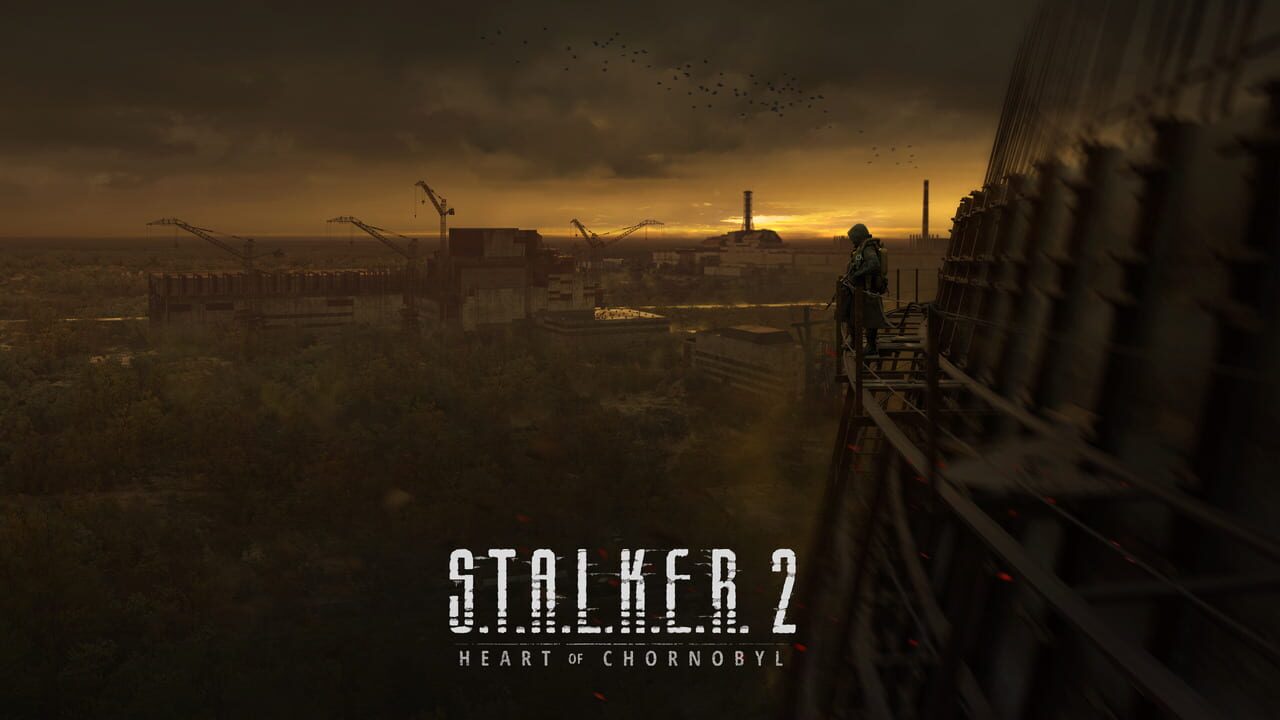
Enter the Chornobyl Anomalous Zone — a vast open world where anomalies, mutants, and rivals stand in your way. Explore, scavenge, and try to survive in this brutal and dangerous land. Evolving with every update, now overhauled and crowned with UPDATE 2.0.
THE GAMEQ VERDICT10,000 reviews analyzed
What players are actually saying
1. Summary
The praise centres on the Zone itself: the weather, the sound design, the abandoned labs and the tension of crossing a hostile, irradiated map. Longtime fans and series newcomers both describe it as a place that keeps pulling them back. A smaller but visible group bounced off the broken launch build, returned after the 1.x patches or the 2.0 update, and say the game finally won them over.
Performance is the problem raised most often: stutter, heavy hardware demands, reliance on upscaling and frame generation, and shader compiling on every launch. Bugs, crashes and quest softlocks come next, along with human enemies who spot and hit the player through walls, foliage and darkness. Veterans of the original trilogy and of mods like GAMMA add design complaints about an A-Life system that spawns enemies around the player, long walks on little stamina, spongy enemies and harsh boss fights. Some recommendations come with conditions: a PC that can handle the game, or a sale price. This verdict reads English reviews; Steam's all-language rating is Very Positive.
2. What keeps coming up
What players praise
The Zone's atmosphere and sense of placeHigh
16% of all reviews mention atmosphere or immersion by name. Players praise the weather, storms and emissions, the abandoned labs, and the feeling that the world is hostile and indifferent to them. Some suggest playing without the HUD: "Turn off your UI/HUD, listen to the insane sound design, the rain, the wind, the distant sound of gunshots." Some negative reviews open with the same praise before listing what broke the game for them. A minority find the space between landmarks empty, which is covered under travel below. One fan described the appeal this way: "It's not for everyone, but if it's for you it'll crawl inside you and never let you leave".
Striking visuals, weather and soundMedium
Graphics come up in 16% of reviews. Players praise the lighting, foliage and weather, and several say the 2.0 update made the vegetation denser and the lighting better. The praise often comes with a catch: the game looks great on high-end hardware and much worse on mid-range PCs, where upscaling smears the image (see performance). A small group finds the image soft or the daytime scenery plain.
Exploration, stashes and scary encountersMedium
Exploration and fear come up together. Players enjoy hunting artifacts in anomaly fields, finding stashes, and being ambushed by mutants at night. Bloodsuckers and the underground labs get named often: "still scary, bloodsuckers are better than ever". Negative reviews mostly see it differently, saying the rewards are thin (repetitive loot, no mutant parts to harvest) and that too many points of interest end in the same firefight and the same chest.
Patching won some launch players backMedium
5% of reviews carry visible edits ("Edit:", "Update:", "changed my review"). The usual story is a launch player who quit, waited through the 1.x patches or 2.0, and came back to a game that ran and played far better: "After the 2.0 update i not only can play the game at a solid 120FPS but I finally feel comfortable recommending this game." Others say the patched game is the release they expected in 2024. Edits went the other way too, from players who switched back to negative after a later patch broke their save or brought new crashes.
A good entry point for newcomersLow
Players new to the series, often coming from Fallout or Metro or from a Game Pass trial, mostly recommend it. They don't measure it against the trilogy and its mods, and they describe a tense, unusual open-world shooter: "Only at 10 hrs and this is my first Stalker experience....wow." Some newcomers struggle with the opening hours, saying the tutorial explains little about anomalies and artifacts.
Where players are split
Measured against the original trilogy and GAMMAHigh
13% of reviews compare the game with the original trilogy, and 4% name mods such as GAMMA, Anomaly or Misery. Some veterans call it a faithful continuation with returning characters and locations, and a few call it the best game in the series. Others say it is more linear, more cinematic and less systemic than Shadow of Chornobyl or Call of Pripyat, and point to free mod packs as the better experience. Positive reviews push back on that comparison: "Ignore the SHOC boomers and GAMMA zoomers in these reviews". The advice splits the same way, with fans of the old games told to expect differences and newcomers told to dive in.
Story, quests and the endingsHigh
Story and quests come up in about a fifth of reviews. Supporters praise the long campaign, faction choices that change the outcome, multiple endings and returning characters, and several finished it and started a second run to take another path: "Yes, you choice does matter for the story." Critics say the plot is convoluted, the protagonist's motivation is unclear, missions turn into fetch-and-walk errands after the opening act, and the endings feel black and white. One negative review summed up its own verdict as "Play for the world, but suffer through the main quest." Several players were annoyed that the game has no post-story free roam: "when you finish the main quest that's it."
Gunfights, difficulty and bullet spongesMedium
Combat comes up in 11% of reviews, with opinions running both ways. Fans like the weapon variety, upgrades, jamming and the slow, deliberate pace, and some enjoy the Veteran and Master difficulties. Critics call the shooting slippery or floaty, say fights come down to trading damage and chugging medkits, and object that higher difficulties make enemies tougher without making them smarter. Spongy mutants and armored humans come up again and again in negative reviews: "Bullet sponge enemies that will tank 5 shots to the face." Several players say patches toned this down, and others still recommend a mod for it.
Update 2.0 and the Cost of Hope expansionMedium
Reviewers describe the 2.0 update and the Cost of Hope expansion arriving together in August 2026, about 21 months after launch, and 17% of the reviews written from then on mention 2.0. For some it was the turning point: better lighting and foliage, higher frame rates on newer hardware, a livelier A-Life and a worthwhile expansion. "The DLC does not reinvent the wheel, but it is more Stalker 2 which is appreciated." Others say it changed the look and left the problems: "Update 2.0 fixed nothing, just a new paint job... Enemies still shoot you through thick brush with insane accuracy." A cluster of players, mainly AMD graphics card owners, report frequent crashes since the update, and a few hit expansion errors or broken saves.
Mods as the fixMedium
12% of reviews mention mods. Positive reviews treat the mod scene as a strength and list favorites for stamina, day length, ballistics and spawn behavior: "with a little elbow grease and a few mods it's an incredible experience." Negative reviews resent needing mods for basic fixes, such as removing mouse acceleration or making performance playable, and some report that updates break their mod setup.
Price and when to buyLow
Some reviews, positive and negative, advise buying on sale. Players who paid full price at launch or bought premium editions are more critical of value, and some Ultimate edition owners complained about waiting for the multiplayer and second expansion they expected. Others call the game worth every dollar for its length.
What frustrates players
Performance and optimizationHigh
22% of all reviews and 31% of negative reviews mention performance, more than any other problem. Players describe stutter and frame drops in settlements and crowded fights, and a game that needs high-end hardware and leans on DLSS, FSR and frame generation, which they say add input lag and ghosting ("Every available option (DLSS, FSR, XeSS, TSR) causes constant flickering, shimmering, and ghosting"). Some also object to shader compilation on every launch: "Of my 68 minutes in the game, about 50 are waiting ot be able to reach the menu after launch." Among players who gave up in the first hours, performance is the reason given most often: "I spent, no joke, 90min just messing with the settings trying to get it to be playable." Other reviews report smooth play on recent GPUs after the patches, so how the game runs depends heavily on the PC.
Bugs, crashes and softlocksHigh
18% of reviews mention bugs and 8.5% mention crashes or freezes (16% of negative reviews). Beyond visual glitches, players describe quest-breaking problems: missing or dead quest NPCs, an emission that never ends, quest items stuck in the inventory, and missions that won't progress. "didn't even make it 5 hours before softlocked quest that requires a restart." Saving is limited on some difficulties, so a bug death can cost a long stretch of progress. After 2.0, a separate wave of crash reports came from AMD GPU owners: "The stability tanked completely with Update 2.0, and troubleshooting fixes nothing". Long-time players disagree on how much this matters: some call it classic series jank, others call it unacceptable two years after release.
Enemies that see and shoot through wallsHigh
Enemy AI comes up in 11% of reviews and in 18% of negative ones. Within that, the complaint about seeing through cover is the one players raise most: human enemies detect the player through walls, bushes, fog and darkness, then hit with near-perfect accuracy. "NPCs shoot you through walls and bushes without a line of sight with incredible accuracy (aimbot like)". Players say this leaves stealth close to pointless and makes deaths feel unfair. They also mention enemies whipping around the moment a search begins, and allies and enemies blocking doorways. Some positive reviews say it improved over the patches, and some accept it as part of the challenge.
A-Life and enemies spawning around the playerMedium
A-Life, the series' simulation of a living Zone, comes up in 7% of reviews, and enemy spawning in 6%, mostly in negative ones. Players say the world simulates only a small bubble around them, so groups appear out of nowhere, cleared buildings refill within minutes, and fights feel staged instead of discovered: "clear them out and turn around to leave the complex only to be greeted by respawned NPCs that I killed 5 minutes earlier." Some reviewers say 2.0 made encounters more organic, with human fights now drawing in mutants. Others say the spawn radius is unchanged, and they treat a full A-Life as a promised feature that never arrived.
Walking, stamina and carry weightMedium
Some players call the game a walking simulator: a huge map, long runs between objectives, limited fast travel, low stamina and a tight carry limit. "Stalker 2 is 30% cool fights/levels, 70% walking/running simulator through nothing areas." The stamina complaint sometimes turns into a joke: "Dude be drinking 100x energy drinks to walk anywhere." A few players like the slow pace as part of survival. The complaint comes mostly from negative reviews and from players well into the campaign.
Boss fights and the final missionsMedium
Some players who reach the late game call the boss fights and closing missions the low point, naming the Duga attack, the Granite squad fight, Malachite and the final encounters. They describe arenas full of armored enemies and one-shot snipers, with little direction on how to win. "I didn't finish this game because of this stupid fight." Some dropped to the lowest difficulty to get through, and a few positive reviews name the boss fights as their one big complaint.
Economy, gear durability and lootMedium
Players in long campaigns complain about balance: gear breaks fast and repairs are expensive early on ("your equipment broke drastically fast and repair is overpriced"), while late-game money and loot pile up until the survival pressure disappears. Others say exploration feels unrewarding because food and ammo are everywhere, mutants can't be looted, and there are few meaningful upgrades.
Download size and patchingLow
Players cite install sizes from about 150 to almost 200 GB and complain about how patches install. They report small patches that take hours, need tens of gigabytes of free space, or force a full redownload: "a small 150mb patch takes 2h to install on an ssd and may break mods." Players on slow or capped internet feel this most.
Controls, rebinding and motion sicknessLow
A small group of early quitters and controller players stopped over controls. They report that movement keys can't be fully rebound (a problem for left-handed players and anyone not on WASD), that left-stick movement on a controller slides unpredictably, and that mouse acceleration needs a mod. Players with motion sickness add that there is "still no way to disable headbob/screenshake/first person animations etc."
Missing features players expectedLow
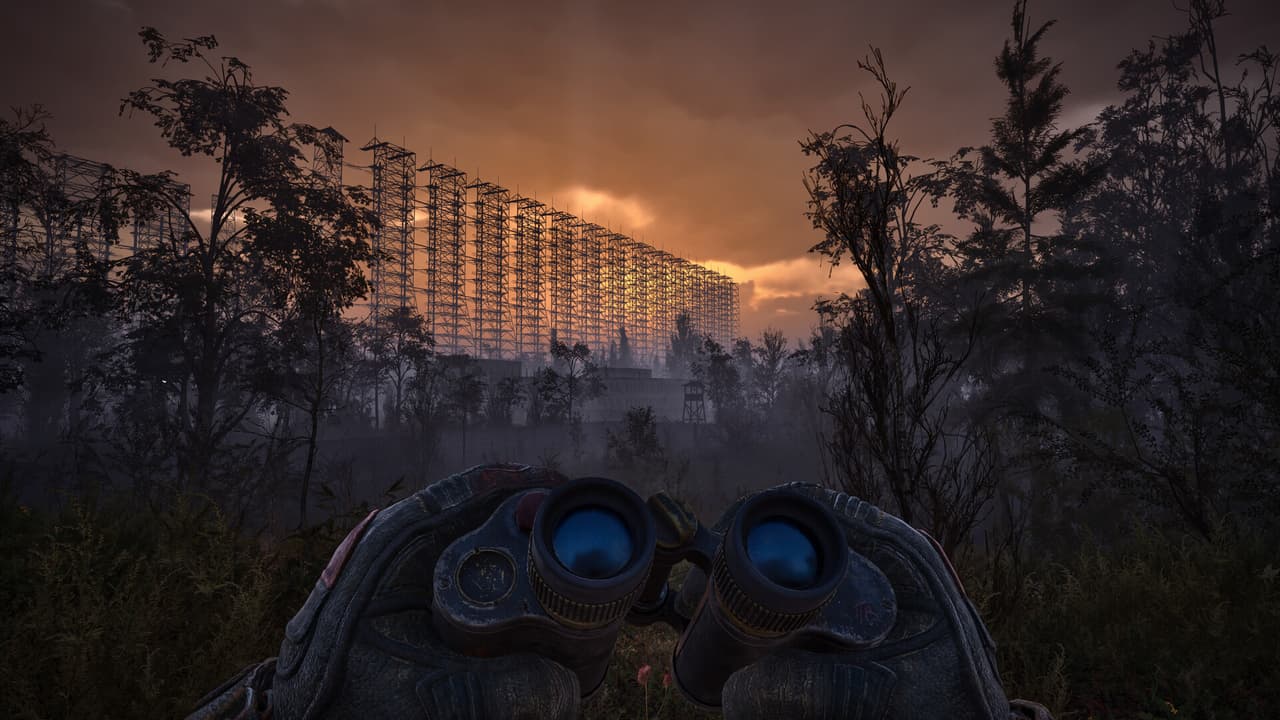
Some reviews list features as missing or late: multiplayer (which players say the premium editions advertised), binoculars and night vision (one reviewer noted binoculars arrived 1 year and 8 months after launch), post-story free roam, and a fuller A-Life. The reviews raising these are often negative ones.
English voice actingLow
Some players find the English cast weak outside the main characters, with flat lines or lines that repeat too often ("English voice acting is frankly awful"). The usual advice is to switch to the Ukrainian voice track.
3. The player conversation
Some reviewers have followed the game since launch, waited for patches and edited their reviews more than once, so a share of the reviews read like progress reports. The tone runs from devoted (fans who waited over a decade and describe the game as a gift) to exasperated (players who bought the Ultimate edition at launch and still hit crashes two years later). Some negative reviews still praise the atmosphere before listing what drove them away.
Players who quit within the first hours talk mostly about technical issues: stutter, shader compiling, crashes, controls and motion sickness. Players who finish the campaign talk about design: AI that sees through walls, the spawn bubble, walking and stamina, the late-game boss fights, the economy and the endings. Veterans of the trilogy and its mods bring much of the design criticism, and newcomers mostly recommend the game.
Reviews written in launch month recommended the game 57% of the time. The months from December 2025 to July 2026 ran between 66% and 73%, and reviews written from the week of the 2.0 update onward recommended it 74% of the time, with September 2026 the best month in these reviews at 78%. That last wave also brought new complaints (AMD crashes, patch sizes, broken saves) alongside the praise, so the improvement isn't the same for everyone.
4. What the developers could do
- Keep working on performance and shader loading. Performance is the most common complaint in the reviews, and early quitters describe stutter, heavy hardware demands, forced upscaling and a shader compile on every launch as the reason they refunded.
- Fix the crash wave on AMD graphics cards and the remaining quest softlocks. After 2.0, AMD owners reported frequent crashes that driver changes didn't fix, and long-haul players describe stuck quest items, never-ending emissions and missions that won't progress.
- Stop enemies from detecting and hitting players through walls, foliage and darkness. This is the AI complaint raised most often, and players say it makes stealth pointless and deaths feel unfair.
- Widen A-Life and stop respawns in cleared areas. Players say the small simulation bubble makes enemies appear out of nowhere and refill buildings minutes after a fight, which undercuts the living Zone they expect from the series.
- Rebalance the boss fights and final missions. Players name Duga, the Granite squad and the final encounters as walls that made them lower the difficulty or quit the campaign.
- Ease traversal with more stamina, carry weight or fast travel options. Players deep into the campaign describe long empty walks and constant energy drinks as the grind that wore them down.
- Make patches smaller and stop requiring huge free space or full redownloads. Players report hours-long installs for small patches on a game that already takes close to 200 GB.
- Add full key rebinding, a head-bob and camera shake toggle, and an option to turn off upscaling. Early refunders, left-handed players and motion-sick players say these are what kept them from playing at all.