Victoria 3
Paradox Development Studio · Simulation, Strategy
Overview
Paradox Development Studio invites you to build your ideal society in the tumult of the exciting and transformative 19th century. Balance the competing interests in your society and earn your place in the sun in Victoria 3, one of the most anticipated games in Paradox’s history.
THE GAMEQ VERDICT9,997 reviews analyzed
What players are actually saying
1. Summary
People stay with Victoria 3 for the economy, pop and politics simulation. 19% of the longer reviews praise the economy, markets or industry outright, and they describe watching an economy grow, interest groups react and laws reshape a society. On the other side, 21% of longer reviews mention bugs or crashes, and 16% criticise the war and front system directly. Some reviewers blame the bugs on big patches, naming The Great Wave expansion and patch 1.13 for breaking navies, troop transport and saves. DLC pricing, and features locked behind expansions, draw a further set of complaints.
Returning players who edited their reviews disagree about where the game stands. Some say it came a long way after a thin launch and now recommend it; others say each major update broke what the last one fixed. Newcomers are split on the learning curve too: some call it steep but rewarding, others quit after the tutorial. Even some negative reviews praise the core simulation before listing warfare, AI, interface or stability problems.
2. What keeps coming up
What players praise
The economy and pop simulationHigh
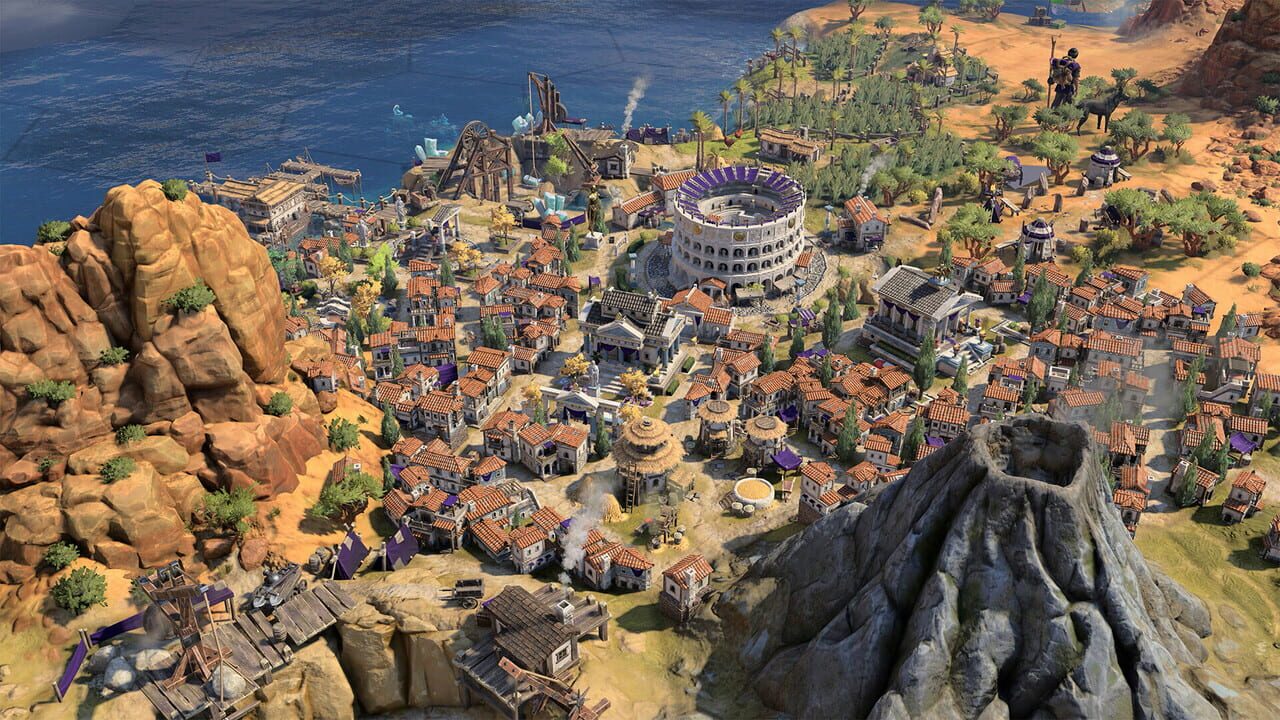
19% of longer reviews pair the economy, markets, trade or industry with words like great, deep, fun or satisfying. Players write about building supply chains, raising standard of living and seeing GDP climb: "Seeing the economy grow and your population being (for the most part) better off is just very satisfying." Another put it more simply: "Victoria 3 is the best economic simulator ever put into a game."
Not everyone who likes the model stays happy with it. Some critics say the economy turns into a routine once learned, with the same build order (logging camps, iron mines, steel mills) in every campaign, and a smaller group objects to the market model itself, such as prices that ignore distance. Others find the per-building production-method choices tedious and want more automation. Some negative reviews still praise the economy before turning to warfare or bugs.
Politics and society that push backMedium
"Love the way the political and economic systems intertwine." About 9% of longer reviews praise this political and social side: interest groups, laws, pops with their own interests, and the way these feed into the economy. Players like that decisions carry consequences: "This is one of the few grand strategy games where your decisions actually have consequences beyond railroaded focus trees and scripted events." How often those consequences turn into revolutions is covered in the split group below.
A game that came a long way after launchMedium
6% of longer reviews describe the game as much improved since release, sometimes in reviews edited from negative to positive. They credit years of free updates and expansions, and some name Charters of Commerce and Spheres of Influence: "Vic 3 had a really rough launch, but after a few years of support it is an absolute gem." Others reply that the improvements came slowly, cost money, or were undone by later patches (see the bugs theme below).
Sandbox alternate historyLow
A smaller group enjoys the stories the sandbox produces, from a monarchist United States to opium empires: "It's a lot more sandboxy than the others, so you have freedom to do a lot of interesting playthroughs without being forced down a particular path." Some players want more historical structure instead: "The RNG kills the game for me. Basically nothing historical happens."
Where players are split
Complexity, tutorials and the learning curveHigh
How hard the game is to learn comes up in 14% of longer reviews, from players who found it worth the effort and from players who gave up. Those who stick with it often say it clicked after many hours and outside help: "I had to watch seven 45 min youtube videos to learn how to play this (thanks FlyingDutchy) but love it." Those who quit blame the in-game teaching: "The tutorials are basically useless in the grand scheme of things." Free-weekend players appear in the second group, and some returning players complain that frequent mechanic changes make them relearn the game.
Victoria 2 as the yardstickMedium
16% of longer reviews compare the game with Victoria 2. Some call it a "Great successor to Victoria 2" or say its newer systems have surpassed the old game. Others say it lost Victoria 2's depth, warfare and flavour: "Vic 2 is cheaper and better on every lvl." A few take a third view, that the two are different games and should be judged separately.
Replayability versus every nation playing the sameMedium
Fans list high replay value and the variety of nations. Critics say the optimal path barely changes from one country to the next: "no matter if u player Aruba or the British Empire, your path is always the same". Replayability, flavour or sameness come up in 12% of longer reviews. The critical ones ask for more country-specific content (journal entries, events, mechanics for nations outside Europe), and some say flavour arrives mainly through paid DLC.
Revolutions, civil wars and political volatilityMedium
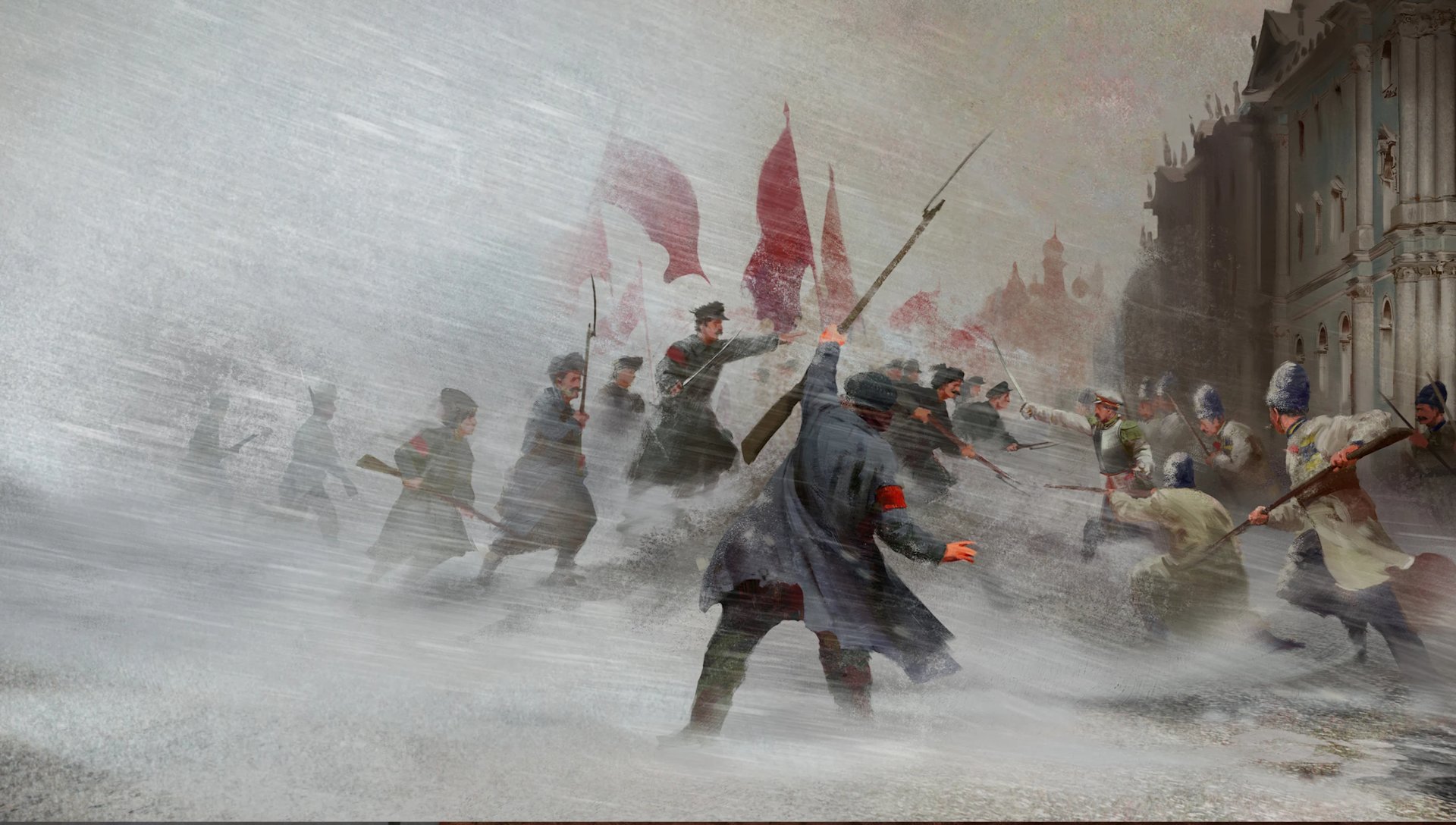
Revolutions, civil wars, radicals or secessions come up in 11% of longer reviews. Some players enjoy the turmoil and call the game a "Very fun revolution simulator." Others find it constant and punishing: "Everything is a revolution. Tying my shoes is a revolution." Specific complaints include revolts breaking out mid-war and taking conquered land with them, radicals surging whenever a law is pushed, and a later change to the authority cost of political concessions.
Mods as the fix, and updates that break themMedium
8% of longer reviews mention mods. Several say mods fix the AI, politics or performance and recommend specific ones (Better Politics, Morgenröte, AI mods). The same reviews complain that frequent updates break mods and old saves, so players who rely on them have to wait or roll back.
What frustrates players
Bugs, crashes and patches that break the gameHigh
21% of longer reviews mention bugs or crashes. A smaller group names The Great Wave or patch 1.13 directly, blaming them for stuck armies and navies, crashes, broken AI and corrupted or incompatible saves: "Update 1.13 is buggy as hell. Armies and navies simply get stuck in random places on the map and are unusable." Some players advise rolling back: "Great game, lots of fun. Only don't buy The Great Wave and don't play the last updates. Last playable version is 1.12.5."
These reviewers ask for better testing before release. A few later reviews report that follow-up patches repaired much of the damage: "The last couple of updates have resolved a ton of issues people are complaining about and the game is overall in a better place then it was pre wave dlc." Others say fixes took months and introduced new bugs.
The war and front systemHigh
"War system still needs an overhaul. Everything else is golden." 16% of longer reviews pair the war system, combat, fronts, battles or the military with words like bad, broken, boring or a mess, and warfare comes up in some form in 41% of them. Players describe armies stuck or teleporting along oddly shaped fronts, battles that feel random ("The battles are literally gambling doesn't matter if you have 100k men against 10k men"), little direct control, and peace terms that force them to take land they don't want. One long-time player wrote that "the military system is actively punishing players for its own nonsensical logic."
A minority defends the hands-off design, saying "the simplicity of the war front system makes large scale wars manageable" and that a game about economics should not demand micromanaged battles. The criticism is not limited to negative reviews: 10% of the longer positive reviews also fault the warfare.
Navy and troop transport after the naval reworkMedium
10% of longer reviews talk about the navy, fleets or moving troops by sea, more often in reviews written in 2026. They describe fleets that refuse to leave port ("Fleets are broken. They can't leave because the fleet thinks it needs repairs."), armies split into fragments after naval moves with no way to merge them, and supply demands such as one player who "needed 38,000 supply ships" for a small expedition. Some accept the idea and object to the execution: "People say moving your armies via fleet is terrible. And yeah i agree that implementation is terrible, but id say its okay as an idea."
DLC pricing and features behind DLCMedium
9% of longer reviews complain about DLC prices or about features they feel belong in the base game: "Worst DLC pricing in the entire industry, and they're not even worth it on a sale." Another reviewer felt "like the DLC sphere or charters is like legitmately just part of the base game behind a paywall". Far fewer defend the model, arguing that the big mechanics arrive in free updates: "DLC contains flavor while updates contain the mechanics." Several positive reviews advise buying on sale or picking only a couple of expansions.
The AIMedium
The AI comes up in 12% of longer reviews. The complaints describe AI nations that fail to industrialise, declare hopeless wars, spread armies badly or wreck their own economies after patches. Several single out Great Britain for intervening against the player: "Great Britain ends your playthrough every time, no country is safe." One reviewer listed the main issues as: "Major issues are the braindead AI and lag late game if you don't have a supercomputer."
Interface and hidden informationMedium
Players say information is scattered and hard to act on: "complexity not through deep systems, but disorganized information hidden behind two or three tabs." The interface, menus or tooltips come up in 12% of longer reviews, and a smaller share call them terrible, clunky or bad. Individual requests include better map modes, a way to zoom without the scroll wheel, a GUI scale above 200%, and quality-of-life tools that players say they now get from mods.
Late-game performanceMedium
9% of longer reviews mention performance, lag or optimisation, often in the later decades of a campaign: "great fun, gets laggy twards 1910s (earlier if you have a giant country)". Some report long sessions degrading: "I can't have a session longer than 1 hour. I believe there is a memory leak problem." Others say it runs well on their machine until the late game, and a few praise the Linux and Steam Deck versions.
Multiplayer desyncsLow
Multiplayer comes up in 4% of longer reviews, with complaints about desyncs and long rehosts in the mid and late game: "multiplayer is bug ridden and unplayable. you get desyncs every 2 minutes." Players who do get it working call multiplayer sessions some of their best times with the game.
Launch failures, launcher and platform problemsLow
A small group could not get the game to start at all: stuck on initialisation, shader compiling or the Paradox launcher, with some free-weekend players leaving after failed launches. Mac and Linux players add crashes, display problems and a raised minimum macOS version.
The campaign ends too soonLow
2% of longer reviews object to the fixed end date, saying the game stops just as the late game gets interesting: "Sad that it ends after 100 years". They ask for an option to keep playing.
3. The player conversation
Some reviews come from players with years in the game who love the simulation and still vote it down over warfare or stability, while others recommend it and list the same flaws. Several call it a love-hate relationship, and a few wish Steam had a neutral option. About 5% of reviews read as edited or updated, some flipping from negative to positive as the game improved and some flipping back after a broken patch.
Complaints about tutorials and confusion come from much newer players than complaints about the navy, which rarely come from anyone under 10 hours. Several free-weekend players write about the learning curve and failed launches. Complaints about warfare, DLC and update quality come mostly from players with long playtimes.
Topics shift with when a review was written. Among longer reviews written in 2026, bugs or crashes come up in 25% and the navy in 16%, against 17% and 6% among those written in 2025, and reviewers writing in spring 2026 name The Great Wave and patch 1.13 as the cause.
4. What the developers could do
- Rework land warfare and fronts so players get more control and battles feel less random, since 16% of longer reviews criticise the war system directly, positive reviews included.
- Test major patches more before release, or offer an open beta, because reviews describe releases like 1.13 breaking armies, navies, AI and saves, with players rolling back to 1.12.5.
- Fix fleet movement and troop transport: fleets stuck in port, split armies that can't merge and extreme supply-ship demands are the specific bugs veterans list after the naval rework.
- Improve the AI's economy and war behaviour, including Great Britain's interventions, which some reviewers say end their campaigns.
- Rethink DLC pricing and which systems sit behind it, since complaints that core features like power blocs or companies are paywalled far outnumber reviews defending the model.
- Build a real tutorial and clearer information screens, because newcomers and free-weekend players say they had to learn from YouTube and that the interface hides what they need.
- Optimise the late game and multiplayer sync, as players report lag in the later decades, memory leaks in long sessions and desyncs that end multiplayer campaigns.
- Add more nation-specific content and an option to play past the end date, which critics of repetitive campaigns and the fixed 100-year limit both ask for.