Moonlighter 2: The Endless Vault
Digital Sun Games · RPG, ARPG, Action
RELEASE MILESTONES
Dates from IGDB release data
Overview
Experience an action-RPG with roguelike elements where you live the double life of an adventurer and a merchant. Dive into vibrant dimensions to fight enemies, gather loot, and manage your backpack. Rebuild your shop and turn profits into gear for the next adventure!
Read moreShow less
Live the double life of a resourceful merchant and fearless adventurer in this sequel to the hit rogue-lite Action-RPG!
Stranded without a coin in the village of Tresna, Will must open shop again as he dives into an interdimensional adventure. Explore dangerous dungeons, loot ancient relics, sell them, and reinvest in the town's prosperity.
The magical, addictive loop returns—bigger, bolder, and packed with shiny loot.
Profitable perils await as dimensional exploration evolves. Strap on your trusty backpack and master dynamic combat with various weapon classes, armor sets, and powerful perks.
Chart a path through unpredictable worlds, defeat relentless foes and formidable bosses, then carefully arrange your loot to unlock unique item synergies. Managing your backpack is key to financial success and maximizing profits.
The deeper you go, the greater the rewards—and the risks.
After every adventure, it's time to open for business. Customize your shop, set your prices, and read your customers to strike the perfect deal. Unlock sales perks, capitalize on special events, and optimize your displays to maximize profits.
From battered scrap to priceless relics, every item's value is yours to decide.
Take on the Endless Vault, a mysterious ancient artifact that pushes your skills to the limit.
Overcome its ever-growing challenges to upgrade your town and earn increasingly valuable rewards. Will it be enough to reclaim your homeland from the evil Moloch, an interdimensional collector who has claimed your beloved village for himself?
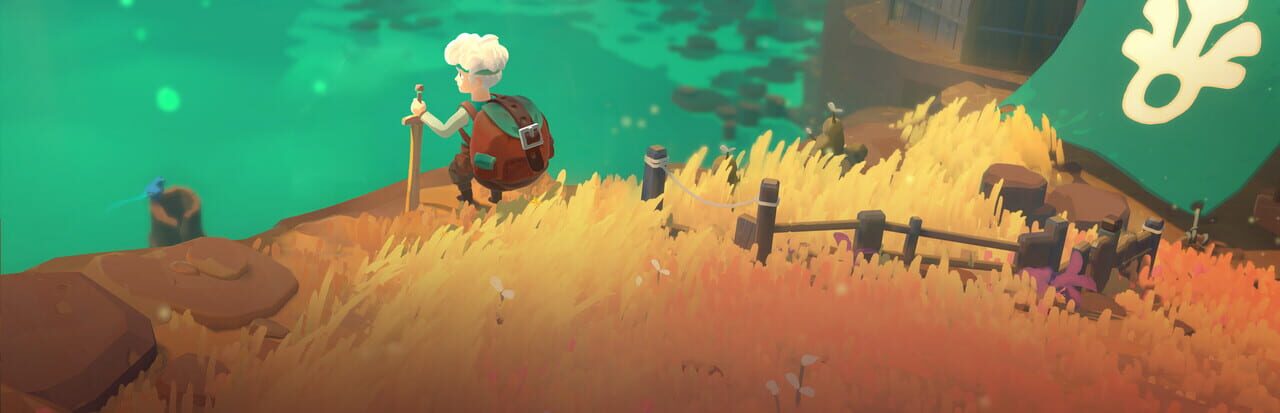
Dive into Moonlighter’s stunning visual leap into 3D. Explore vibrant environments, enjoy smoother, more dynamic combat, and experience the iconic cycle of daytime shopkeeping and nighttime treasure hunting like never before.
From the game's Steam store page.
THE GAMEQ VERDICT1,942 reviews analyzed
What players are actually saying
1. Summary
The praise centers on the loop. You dive into a dungeon, juggle cursed relics in your backpack to push their value up, haul them home, price them in your shop and spend the gold on upgrades before the next run. Reviewers call it "addicting", talk about "one more run" and enjoy watching the "number go up". The backpack puzzle, where burning, shocking, petrifying and absorbing relics chain quality bonuses together, comes up in 17% of substantive reviews, and much of what they say about it is praise. Some who found the first Moonlighter's combat thin say the sequel improves it, the 3D art and the music get regular compliments, and reviewers who say they never played the original mostly recommend it.
Complaints come from two directions. One is technical: crashes, freezes and softlocks that wipe out a 30 to 60 minute run because there is no mid-run save, stutter and memory leaks during Early Access, and a 1.0 that many felt was rougher than nine months of Early Access should have produced. Bugs and crashes come up in 38% of substantive negative reviews and 12% of positive ones. The other is identity. Fans of the first game who wanted Zelda-style dungeon crawling and a richer shop got a Hades-style roguelite with a Slay the Spire map and a thinner shop. Some players past 30 hours add that the back half is padded: only three regions, boss fights built around invulnerable phases, a late-game economy that makes the shop systems pointless, and an ending that resolves the villain with a quick-time press. Whether it is a worthy Moonlighter sequel stays contested, and the tone cooled once 1.0 arrived.
2. What keeps coming up
What players praise
The dungeon, backpack and shop loop is addictiveHigh
Players describe losing whole evenings to the cycle of looting, selling and upgrading, and they like that each phase feeds the next: a good run means a better shop day, which buys the upgrade that makes the next run safer or more profitable. A handful single out the choice to leave a dungeon at any time with your loot, or push on and risk halving its value on death, as the risk-and-reward decision that keeps runs tense; one player says that exit is why they enjoy the game even though they "don't like roguelikes". A few negative reviewers also say they enjoyed the first 10 hours or so; their complaints are about what happens after that.
The backpack relic puzzleHigh
Each region has its own relic rules (burn and armor in Kalina, shock and overcharge in the Gallery, petrify and absorb in Aeolia), and fans of the inventory minigame enjoy engineering chain reactions that push a legendary relic from quality 0 into the hundreds. A couple compare it to Balatro, and others to card-game synergies. Some critics find the puzzle turns into a chore after dozens of runs or slows runs down, some lost a valuable relic by misreading a curse's wording, and some say the third region's doll mechanic is more work than reward. A few miss the first game's simpler approach of filling the bag and stashing items in chests, and item stacking in particular.
Art direction, music and charmMedium
The move from pixel art to stylized 3D was the biggest worry before launch, and many who played were pleasantly surprised: reviewers compare the look to Wind Waker, Bastion and Studio Ghibli and describe the town and regions as vibrant and detailed. Pixel-art loyalists remain (see the sequel identity theme), and a minority call the new look generic. Christopher Larkin's soundtrack gets regular praise, and at least one reviewer singles out the Aeolia music. A few fans of the first game's score find this one less memorable, and a few report bugs that cut the music out mid-run.
Deep meta-progression and constant unlocksMedium
Players enjoy the number of upgrade paths: weapon variants, armor, guns, potion trees, backpack slots, shop furniture and perks, bloblets, and vendors who keep arriving in Tresna. Some say nearly every run unlocks something, and that weapon variants change how a class plays rather than just adding damage. Critics say the same system sprawls across too many vendors, that many upgrades are tiny percentage bumps, and that a lack of base-damage upgrades leaves run power too dependent on random perks (see the frustration themes).
Developers who listened during Early AccessLow
Early Access reviewers thank the team for fast fixes: launch-week stutter, Steam Deck crashes and controller problems were patched within days, and a few changed negative reviews to positive as a result. Reviewers point to the reversal of the demo's shop system after community feedback as a sign that the team listens, including some who preferred the demo version.
Where players are split
A Hades-style sequel instead of more MoonlighterHigh
Moonlighter 1 comes up in close to half of substantive reviews, and Hades or Slay the Spire in 12%. One camp says the sequel "improves on the original in every way": combat with real depth, run-to-run variety from perks, no backtracking through cleared rooms, crafting materials that no longer eat backpack space, and a far gentler death penalty. The other camp, largely devoted fans of the first game, says it traded away its identity: no explorable Zelda-style floors or secret rooms, monsters that no longer drop the loot you sell, a node map "like every other roguelike", perks that feel borrowed from Hades, and armor reduced to a single piece with a gimmick. Pro-sequel reviewers answer that the criticism is nostalgia, and a few suggest trying the demo first. The Hades comparison is not always a complaint; plenty of reviewers use it to describe the run structure, or as a selling point ("Moonlighter + Hades").
Combat feelHigh
Combat comes up in about a quarter of substantive reviews, and opinion splits hard. Supporters call it fluid and responsive, and enjoy the gun, the parry-like purple deflects and the distinct weapon mechanics (greatsword sharpness, returning spearheads, gauntlet berserk). Detractors call it clunky and hard to read. Regular enemies have no stagger, so they attack through your combos, and you cannot dodge out of attack animations. Auto-aim and melee snapping pick the wrong target (a thorn pod instead of the enemy, a slime instead of the flying threat) and cannot be fully turned off. Status-effect particles and red-on-red telegraphs hide enemy attacks, and the isometric camera, verticality and off-screen ranged enemies produce hits players cannot see coming.
The shop half: streamlined or shallowHigh
Fans of the shop like the per-day perk system, customizable furniture and pedestals, price history that remembers ranges, and the absence of a stressful timer. Critics say the shop is now a thin step between runs: once a price is found it is "set and forget", there are no thieves or real customer management, early storage is tiny, special customers and tips barely matter, and allowing only one bonus pedestal of each type pushes you to sell from one spot. A separate Early Access grievance, raised in both positive and negative reviews, is that the demo's more interactive shop system (perks, haggling, polish and cleaning) was replaced at launch by a return to the first game's price-guessing. Some welcomed the reversal, some still miss the demo's shop, and at least one player refunded over it.
Weapon balanceMedium
Players like that weapon variants play differently, but some find the balance lopsided: a few call the spear the worst weapon in the game and complain that its special roots you in place, the greatsword's animation lock feels punishing, gauntlets plus Wound or one particular "ultimate spear" feel dominant, and alternate guns lose out to the basic pistol. Some reviewers say the starter weapons are never beaten by later unlocks, which undercuts the reward of crafting new ones.
DifficultyLow
Experienced roguelite players say bosses and runs become trivial once upgrades stack, even on the hardest setting, and that death barely stings when you keep your relics. Others find early runs punishing, with scarce healing, a first-region night boss described as brutal, and Tyke's projectile-deflect phase as a wall. At least one reviewer warns that difficulty could not be lowered after starting a save.
What frustrates players
Crashes, softlocks and runs lost with no mid-run saveHigh
Players report crashes on boss kills, when opening chests, entering the post-boss colosseum or returning to town. Others got stuck floating or fell through the floor, lost the ability to move or roll, found bosses stuck invulnerable or taking 1 damage, or hit broken quest steps (the Anacard and Weapon Mastery quests are cited). For some, the game crashed or froze at the end of the tutorial and they had to replay it. Runs cannot be suspended or resumed, so each crash throws away 20 to 60 minutes and the loot built up in the backpack puzzle, and that loss is what these reviews dwell on. Bugs come up in 21% of substantive post-1.0 reviews, more often than during Early Access, and a few 1.0 reviewers say bugs from Early Access were still there at launch. Some ask for a suspend save, crash recovery, or a "get unstuck" option.
Only three regions and a padded back halfHigh
Players past roughly 10 hours often bring up repetition: three regions with a day and night variant each, the same room layouts and enemies run dozens of times, and mini-bosses that are ordinary enemies with bigger health bars. Late-game upgrades need boss materials that mean re-running the same fights many times, surplus materials cannot be sold, and players say the post-credits Endless Vault and difficulty modifiers mainly add health to enemies. Repetition shows up in 16% of substantive negative reviews and 6% of positive ones. In Early Access the complaint was that the game felt like a demo: reviewers hit a "thanks for playing" screen after 10 to 15 hours, saw many "Coming Soon" placeholders, and went months without content updates. Several 1.0 reviewers felt the release added an ending but little else beyond what Early Access already had.
Bosses built around invulnerable phasesMedium
A couple of reviewers single out the Monte fight as a highlight, but a recurring complaint is that most bosses spend long stretches shielded, airborne or out of reach while you dodge, waiting to deflect a purple orb or break a shield before you can deal damage. These phases ignore how strong your build is, so re-fighting bosses for materials becomes tedious. The Herald's shield wall, Tyke's deflect sequence and an airborne boss that retreats to a sky island draw the most criticism, and one Early Access reviewer notes that a patch added more shields to one of the most criticized fights.
Performance, stutter and loading timesMedium
Launch week of Early Access brought micro-stutter that worsened over a session, memory leaks, heavy RAM use and frame drops on strong PCs, and Steam Deck players reported crashes and poor frame rates in town. Patches fixed much of this for many, and plenty report smooth play on PC and Deck, but complaints continued into 1.0: fullscreen stutter, long load screens between rooms and when entering the shop, and a sense that the game runs heavier than its visuals justify. Missing DLSS and XeSS support and no borderless window are minor recurring requests.
Late-game economy makes the shop systems pointlessMedium
This one comes from veterans, mostly with 25+ hours. Relic quality multiplies the price, while furniture, perks, tips, bloblets and aromas add small bonuses to the base price, so quality dominates everything by mid-game. With sparks and limit break, players report earning 20 to 36 million gold in a day, at which point the shop systems they spent hours unlocking stop mattering and money itself counts for little next to boss materials. They also note that vault goals do not carry excess earnings over, and that some upgrades (an 8 million gold backpack slot) look like padding.
A thin story and an anticlimactic endingMedium
The story is secondary for most, and some who finish it are disappointed. A couple say the villain is beaten with a single quick-time button press rather than a fight, the ending arrives in a brief cutscene once a gold target is reached, and others describe the plot as vague, childish or a retcon of the first game's ending. A minority enjoy the characters and the returning cast from Rynoka.
Controls and quality-of-life gapsLow
Movement cannot be rebound away from WASD, a problem for left-handed players who move with the arrow keys. The game ignores controller deadzone settings, so menus drift. Other smaller complaints: hold-to-interact everywhere, slow unskippable animations and dialogue, no deposit-all or quick-sell, no rolling inside the shop, and walking so slow that players roll everywhere. The town's vendors are spread far apart, adding travel time between runs.
Paid cosmetic DLC on day one of 1.0Low
A small group, mostly Early Access supporters, objected to a cosmetic pack releasing alongside 1.0, feeling early buyers should have been rewarded rather than asked to pay more. Separately, some positive and negative reviewers suggest buying at a discount rather than paying $30, and one Early Access review that recommends the game still says to "wait for a sale" or for 1.0 if you want more polish.
3. The player conversation
Early Access opened in November 2025 at 86% positive in its first week, when stutter and Steam Deck crashes were at their worst, and climbed to 94% the next week as hotfixes landed. Through the winter it mostly stayed in the high 80s to low 90s, with dips in quiet weeks; a late-May and early-June dip mixed performance complaints, several about Steam Deck, with "not Moonlighter" ones. Early Access reviewers tend to be forgiving: they treat bugs and thin content as the price of Early Access and trust the developers, whose quick patches earned real goodwill. A few complained about months without content updates, and others about the reversed demo shop system.
The 1.0 release on September 2, 2026 changed the tone. Weeks after launch ran between 61% and 78% positive, well below the Early Access average. Reviewers who quit within two hours mostly cite crashes, stutter and performance, or that the game is not the Moonlighter they wanted. Players with 10 to 50 hours raise the structural complaints: repetition, boss invulnerability phases, the ending, and the economy collapse that veterans describe past 25 hours. Newcomers and players who never liked the first game's combat are still enthusiastic, and many positive reviews argue with the negative ones, calling them nostalgia.
4. What the developers could do
- Fix the run-ending crashes and softlocks, and add a mid-run suspend save or crash recovery. Crashes and stuck states that wipe 30 to 60 minutes of relic-building are the main technical complaint after 1.0, and players say a resume point would take most of the sting out.
- Rework boss invulnerability phases and give the finale a real fight. Players say shielded, airborne and orb-deflect phases make build power irrelevant and turn repeat boss runs for materials into waiting, and those who mention the ending call the quick-time villain finish a letdown.
- Add variety to the late game and cut the boss-material grind. Three regions and repeated room layouts wear thin by 20 to 30 hours; more room types, events and mini-boss movesets, plus a way to trade or sell surplus materials, would answer the padding complaint.
- Rebalance the late-game economy so shop systems stay relevant. Veterans point out that additive shop bonuses are dwarfed by relic quality, making perks, furniture and bloblets worthless once millions flow in; multiplicative bonuses and vault goals that carry over excess earnings would keep the shop half meaningful.
- Improve combat readability and control. Stagger on regular enemies, clearer telegraphs, a toggle to tone down status-effect particles, animation canceling into dodge, and auto-aim that can be disabled or prioritizes flying enemies cover the combat complaints that come up most.
- Continue the performance pass on stutter, loading and Steam Deck. Stutter, long room and shop loads, and weak Deck performance persisted past 1.0 for some players, and crashes and performance are among the reasons early quitters give.
- Rebalance weaker weapons, starting with the spear special and greatsword animation lock. Players want weapon variants to beat the starter weapons often enough that crafting them feels rewarding.
- Ship basic quality-of-life options. Full key rebinding (including arrow-key movement), a controller deadzone setting, deposit-all, skippable animations and dialogue, and faster walking or rolling in the shop are small requests that come up again and again; some players would also like the demo's deeper shop back.