Ori and the Blind Forest
Moon Studios · Indie, Platformer, Metroidvania
Overview
“Ori and the Blind Forest” tells the tale of a young orphan destined for heroics, through a visually stunning action-platformer crafted by Moon Studios for PC.
Read moreShow less
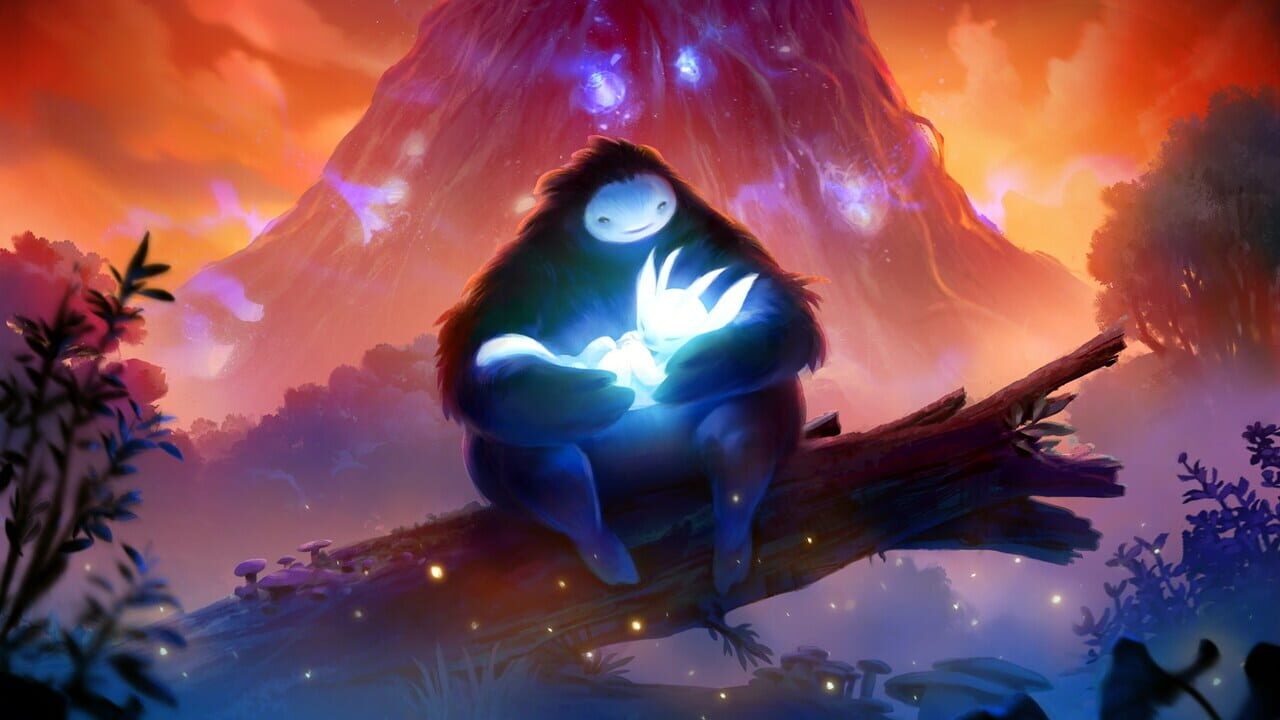
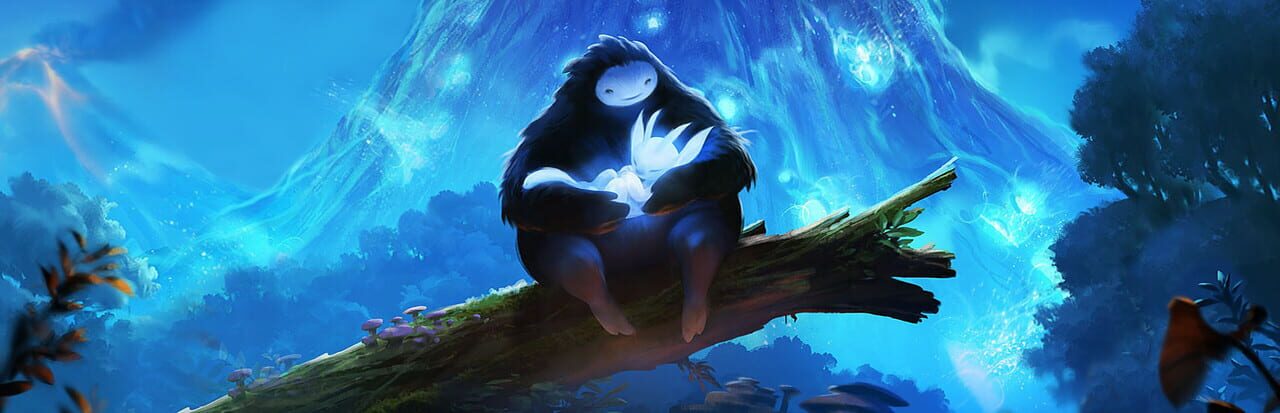
The forest of Nibel is dying. After a powerful storm sets a series of devastating events in motion, an unlikely hero must journey to find his courage and confront a dark nemesis to save his home. “Ori and the Blind Forest” tells the tale of a young orphan destined for heroics, through a visually stunning action-platformer crafted by Moon Studios for PC. Featuring hand-painted artwork, meticulously animated character performance, and a fully orchestrated score, “Ori and the Blind Forest” explores a deeply emotional story about love and sacrifice, and the hope that exists in us all.
From the game's Steam store page.
THE GAMEQ VERDICT9,998 reviews analyzed
What players are actually saying
1. Summary
Players come close to agreeing on Ori and the Blind Forest: 94.6% of reviews recommend it. Most of what they write about is presentation and feel. 45% of reviews comment on the hand-painted art and animation, 30% on the orchestral soundtrack and 31% on the story, and about 10% use words like cried, tears or emotional, dozens of them about the prologue. Underneath that sits a demanding platformer whose movement grows from a simple jump into chained wall climbs and Bash launches off enemies and projectiles, and more than 200 reviews call it one of the best platformers or metroidvanias they have played.
More than half of negative reviews (56%) bring up dying, difficulty spikes, the escape sequences or saving. Reviewers describe escape sequences with no checkpoints (the Ginso Tree's rising water above all) and a manual save system that spends the same energy they need for doors and charged attacks. Some who came for the art and story say the cute look hid how hard it gets. The other recurring thread is about this version. Reviewers point newcomers to the Definitive Edition, which they credit with fast travel, re-entry to sealed areas, difficulty modes and extra content, and some original owners resented paying again to get those.
2. What keeps coming up
What players praise
Hand-painted art and animationHigh
45% of reviews comment on how the game looks, more than on any other theme, mostly with words like beautiful, gorgeous and stunning. Reviewers single out the layered forest backgrounds, the lighting and Ori's animation, and dozens compare it to a Studio Ghibli or Disney film. "Like playing a Studio Ghibli film," one wrote. Another put it as "If anyone ever tries to tell you that video games aren't art, show them this game." About a quarter of negative reviews (26%) also praise the visuals before getting to their complaints. The recurring knock on the art is practical: some players say the glow and the foreground scenery make hazards and projectiles hard to read (see the last item under the frustrations below).
The soundtrackHigh
30% of reviews mention the music, about as many as mention the story; only the art comes up more. Reviewers describe the score as emotional and cinematic, and some say they bought the soundtrack or listen to it outside the game. Dissent is rare. One negative review says the same music loop grates when you are stuck replaying a hard section, and a few reviewers find the style melodramatic, generic or boring.
An emotional story and a famous openingHigh
31% of reviews mention the story, and about 10% use words like cried, tears or emotional. The prologue gets much of the credit, with dozens of reviewers saying they cried within the first few minutes: "Cried in the first like 3 minutes lol." Some like that the story is told with very few words. A minority disagree. Some negative reviews call the tear-jerking manipulative or the plot thin, a few found the ending's handling of the antagonist confusing, and a handful wanted English voice acting instead of the narrator's invented language.
Fluid movement that keeps growingMedium
6% of reviews explicitly praise the movement, controls or platforming feel, with words like fluid, tight and responsive. Players enjoy how each new ability changes how you cross the world, and several say the game clicks once Bash arrives: "as soon as you get the bash ability it turns into one of the best side scrolling platformers I've ever played." A few say the first hour feels slow before the moveset opens up. Some negative reviews reject the praise outright, calling the jumps floaty or the controls clunky and unresponsive. Wall jumps come up often in those complaints: "Wall-jumping is hit-or-miss," one wrote.
Metroidvania exploration and upgradesMedium
9% of reviews talk about exploration, backtracking or the metroidvania structure. Those who enjoy it like returning to old areas with new powers, hunting energy and life cells, and spending points in the three-branch skill tree. Critics in this group say the map is more linear than the genre label suggests and that backtracking on foot gets tedious without fast travel (see the completionist item below).
Where players are split
Difficulty: hard but fair, or a bait and switchHigh
24% of reviews talk about difficulty or frustration, and players land on both sides. Among positive reviews, 23% bring it up, usually to say the struggle was worth it: "I died a total of 532 times while playing through the game, and yet it never once annoyed me." Others call it "hard but rarely too frustrating." Among negative reviews, 42% name difficulty or frustration directly. Their complaint is that the cute art and soft music promise a relaxing game: "Pretty graphics and nice soundtrack suggest casual gameplay but that's dead wrong." They describe long stretches of easy play followed by sudden spikes, frequent one-hit deaths from spikes and lasers, and trial and error that only memorization solves. Some asked for an easy mode or a difficulty setting, which reviewers note this version lacks. Some casual players, older players and one reviewer with dyspraxia said they could follow the story and explore happily but could not physically get through the hardest sections.
Keyboard or controllerLow
3% of reviews talk about controllers, often to tell keyboard players to get one: "Playing with keyboard and mouse is near impossible, but having a controller helps." Keyboard players complain about moving with WASD while holding Shift, dropping through platforms with jump plus a direction, and having no way to rebind keys ("Can't rebind keys?"). One reviewer on a PS4 pad said the on-screen prompts didn't match the buttons. A few others say keyboard controls worked fine for them.
Combat and the lack of bossesLow
Combat is a common side note in positive reviews and a sharper complaint in some negative ones. The main attack is an auto-targeting flame, and critics call it button mashing: "The combat is just mashing 1 button whilst doing no damage." Several players noted the game has almost no traditional boss fights; the escape sequences take their place. Others found the fights engaging enough and say platforming, not combat, is the point.
LengthLow
4% of reviews mention length. Reviewers describe first runs of roughly 8 to 15 hours. Some like it that way ("A short but sweet Metroidvania"), while others wish it were longer or had a New Game Plus.
What frustrates players
This is the older version, and the Definitive Edition fixes itMedium
5% of reviews mention the Definitive Edition, and it comes up in 16% of negative reviews, in three ways. The most common is advice: 2% of reviews, most of them positive, tell readers to play the Definitive Edition instead, crediting it with Spirit Well fast travel, a way back into sealed areas, difficulty modes, a new area with two abilities and extra polish. "there's no good reason to play this version over the definitive edition," one positive review says. The second is a pricing grievance from original owners, concentrated in 2016 and 2017, who say the improvements were sold as a new full-price product with no lasting upgrade discount. Several add that the limited-time upgrade coupon expired before they knew it existed. "I can't recommend a game where devs pull the original game from the store and then charge full price to rebuy a game to get an update that should have been free," one negative review reads. The third comes from players who received this version bundled with the Definitive Edition and see it as clutter: "I don't understand why the two versions are bundled together." A few reviewers in mainland China also say the Definitive Edition was not sold in their region, leaving them with this version.
Escape sequences with no checkpointsMedium
5% of reviews talk about the escape sequences, and 19% of negative reviews name them, about as many as name the save system. The Ginso Tree's rising-water climb draws the most anger; the final escape from Mount Horu and the wind escape in the Forlorn Ruins come up too. Players describe long scripted runs where one mistake sends you back to the start, sections where you need an enemy to fire a projectile at the right moment to Bash off it, and deaths counted in the dozens or hundreds. "One simple checkpoint would have made a world of difference," one player wrote. Some players say this is where they gave up, and a few watched the rest of the story on YouTube. Positive reviews that mention the escapes are divided: some call them the most thrilling moments in the game ("great escape sequences and a story that succeeds in being both sad and heartwarming"), while about as many call them the most frustrating part.
A save system tied to energyMedium
5% of reviews talk about saving, and complaints outnumber praise. As reviewers explain it, Soul Link lets you create a save point almost anywhere, but each one costs energy that also opens doors and powers charged attacks. Players say this leaves them choosing between saving and progressing, that dying throws away everything since the last save (experience, pickups, opened shortcuts), and that autosaves are rare. "The ability to open up pathways and the ability to save the game should never be coming out of the same resource pool," one wrote. A few got stuck after saving with low health or no energy in a bad spot. A minority like the system because it lets them checkpoint right before a hard jump, and some say it gets easier once energy upgrades pile up.
Points of no return for completionistsLow
2% of reviews complain about areas that seal behind you, and 1% bring up fast travel, which this version lacks. Reviewers say the Ginso Tree, the Forlorn Ruins and Mount Horu cannot be re-entered once finished, so a missed cell or secret means a fresh playthrough for 100% map completion or the related achievements. The save also locks after the ending, as one positive reviewer found: "you can't load a save again after finishing the last mission." Another wrote, "I missed a single EXP orb in the first dungeon and had to complete the game with a 99%." Achievement hunters add that some achievements are buggy, including ones earned offline not unlocking. Some point to the Definitive Edition as the fix.
Problems on modern PCsLow
2% of reviews report technical problems, and they make up 7% of negative reviews. Reports include crashes when Ori takes damage after a Windows 10 upgrade ("the game crashes as soon as Ori takes damage"), the game running in slow motion, resolutions that can't be changed or forced to odd sizes, broken 21:9 support, crashes with multiple monitors, long freezes on launch, poor performance on Windows 11 and stutter on Steam Deck. One reviewer whose old saves stopped loading says the Definitive Edition had no such problem. Others say this version runs well on modest laptops and on Steam Deck.
Hazards lost in the glowLow
1% of reviews say the art gets in the way of play. Foreground scenery can hide parts of the level, enemy projectiles look like the glowing experience orbs, and spikes blend into the background. One reviewer wrote that "too often the foreground obscures part of the level". Some players also note that identical-looking hazards behave differently: "Some spikes deal 2 damage, whereas other identical spikes instantly kill you."
3. The player conversation
The tone is overwhelmingly warm. Much of the conversation is short and effusive: "masterpiece," "10/10," "I cried," "video games are art." Longer positive reviews often add a caveat, such as a hard section, the save system or a pointer to the Definitive Edition. Negative reviews are a small minority, and many of them still speak well of the game: about a quarter praise the visuals, and several say they wished Steam had a neutral option. Few reviews dispute the presentation. The argument is over whether the difficulty is fair and whether this version is worth playing now that the Definitive Edition exists.
Playtime shows who raises what. Negative reviewers who stopped in the first couple of hours bring up difficulty too, along with keyboard controls and jumping, a slow start, and PCs that wouldn't launch or run the game smoothly; some say they switched to the Definitive Edition. Those who put in ten or more hours before turning negative lean toward the escape sequences, difficulty spikes, the save system and collectibles lost to sealed areas.
The conversation shifted over time. In 2015 and 2016, 96% of reviews recommended the game, and the Definitive Edition grievance peaked around its 2016 release, when original owners objected to paying again. From 2017 on, the pricing anger became rarer and advice took its place: mentions of the Definitive Edition grew from 3% of reviews written in 2015 and 2016 to 10% of reviews written from 2023 onward, mostly telling newcomers which version to play. Reviews written from 2023 onward were also less positive, with 90% recommending the game, and their negative reviews lean on the version question more: 17% of them mention the Definitive Edition, against 8% of the negative reviews from 2015 and 2016. The busiest single week in the reviews came in late November 2016, when 393 reviews were written and almost all of them recommended the game.
4. What the developers could do
- Add checkpoints inside the escape sequences. Negative reviews name them about as often as the save system, some players say the Ginso Tree is where they quit, and reviewers ask for even one checkpoint mid-run.
- Bring difficulty options to this version. Some players who came for the art and story asked for an easy or story mode, and several knew the Definitive Edition had one but this version did not.
- Give owners of this version a free or permanent discounted path to the Definitive Edition's improvements. Original buyers felt they paid twice for fast travel, re-entry to sealed areas and the new content, and several said the time-limited coupon expired before they saw it.
- Separate saving from the energy used for doors and attacks, and add autosaves before hard stretches. Players described choosing between saving and progressing, and losing long stretches of progress after a death.
- Let players return to sealed areas and keep playing after the ending, with fast travel between Spirit Wells. Completionists lost 100% runs and achievements to the Ginso Tree, Forlorn Ruins and Mount Horu lockouts and the locked post-credits save.
- Fix the modern-PC issues. Reviews report crashes on taking damage after Windows 10 upgrades, slow-motion play, locked resolutions, multi-monitor crashes, Windows 11 performance and achievements that don't unlock offline.
- Make hazards and projectiles easier to read, with an option to reduce bloom. Players died to spikes and shots they say blended into the glow and the foreground art.
- Add key rebinding and correct prompts for non-Xbox controllers. Keyboard players asked for remappable keys, and a PlayStation pad user reported prompts that didn't match the buttons.