State of Decay 2
Undead Labs · RPG, Simulation, Survival, Horror
Overview
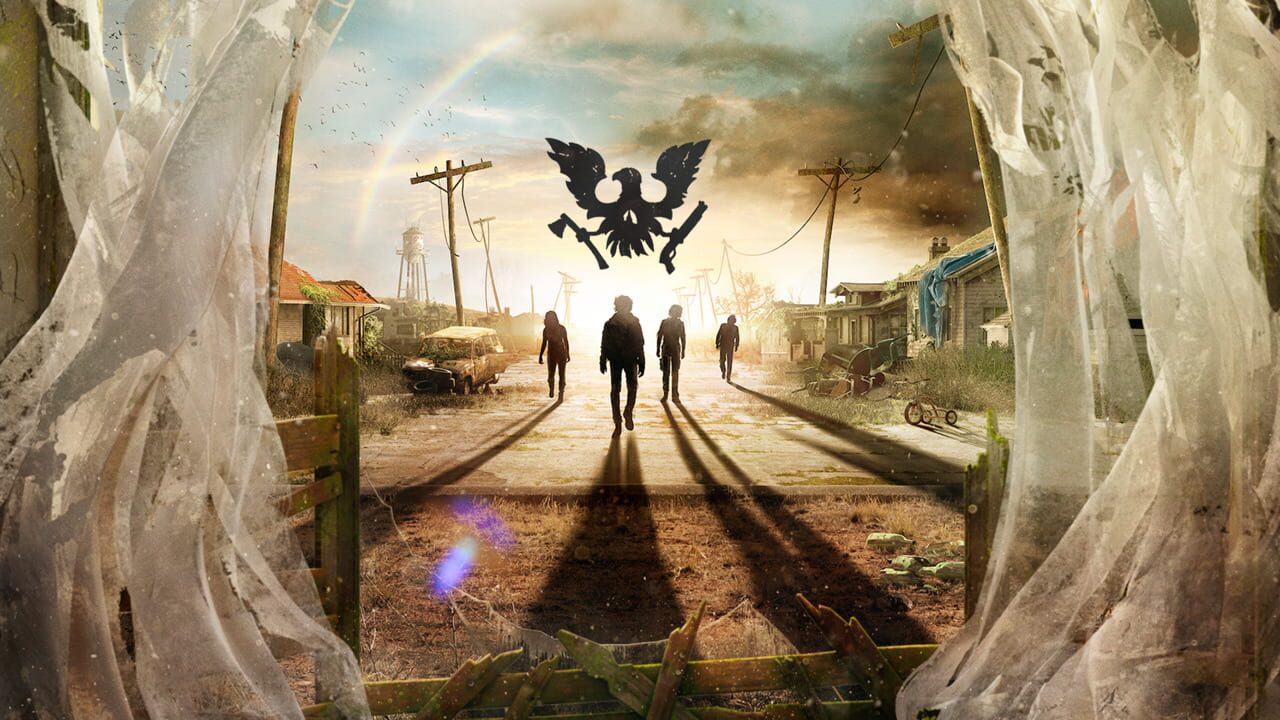
The next installment in the critically acclaimed “State of Decay” franchise immerses you in an all-new, multiplayer zombie survival fantasy. Build a lasting community, working with other players or solo to overcome challenges while exploring your own unique story in a world that remembers the choices you make.
THE GAMEQ VERDICT10,000 reviews analyzed
What players are actually saying
1. Summary
State of Decay 2 wins people over with its core loop: scavenge a small open map, keep a community of randomly generated survivors fed and sane, and accept that anyone you lose stays dead. Players praise the tension this creates and the range of difficulty settings, which can make it a relaxed sandbox or a punishing one. Returning players say years of free updates turned a rough launch into a good game. Price comes up in 13% of longer reviews, usually from players who bought it cheaply on sale, and some treat it as the game to play while waiting for State of Decay 3.
Getting into the game at all is the most common complaint. The required Xbox or Microsoft account sign-in comes up in 31% of all negative reviews, more than twice the share that mention bugs (14%), with captchas that never load, logins on every launch and lost access to old saves. Co-op divides players: friends enjoy surviving together, but guests cannot build, recruit or progress anything of their own. Other complaints cover bugs and jank, zombies that spawn right behind you, a loop that turns into errands for long-time players, and a thin story. Reviewers disagree most about co-op and about how long the loop stays fresh.
2. What keeps coming up
What players praise
The community and permadeath loopHigh
A third of longer reviews (33%) talk about the community, its survivors or permadeath. Players like that every survivor has traits and skills, that you can switch between them, and that a death is final. "You aren't playing a fixed main protagonist, the community itself is the main character," one reviewer writes; another says "This game made me care about characters I randomly recruited." Reviewers describe losing hours to the routine of scavenging rucksacks, upgrading the base and clearing plague hearts, and one says the game "makes the map feel like it can actually kill you". Some single out melee kills and hitting zombies with an open car door as simple fun. Critics of the same loop call it shallow over time (see the split on repetition), and some say the start of a community is the best part.
Difficulty settings and replayabilityHigh
The difficulty tiers (Standard, Dread, Nightmare, Lethal) come up in 23% of longer reviews, mostly as praise. Players like that the game can be a calm sandbox or a brutal one, that the sliders can be tuned separately, and that legacy rewards and a pool of survivors carry over to new runs on five maps. Some recommend moving past Standard quickly because it gets too easy. One player who lost a whole community on Nightmare and started again right away writes: "Even in a crushing defeat, this game delivers an incredibly satisfying survival horror experience." The harder tiers are also where the spawning complaints concentrate (see frustrations).
Years of free updatesMedium
Returning players who left at launch say the game is much better now: "years of content and QOL updates made it a good game!" and "It's mental how much they've added to this game since the launch day." Updates, patches or developer support come up in 13% of longer reviews, usually as thanks. Reviewers list the Juggernaut Edition maps, Heartland, Daybreak, curveballs and difficulty options as free additions. Some note that support has ended and left a few known bugs behind, including "a glaring, well-known mission bug in Trumbull Valley that will never be fixed."
Cheap on sale and light on hardwareMedium
Players who bought it on discount usually say it was worth the few dollars or euros they paid (price or sales come up in 13% of longer reviews), though some add that they would not pay full price for a game this old and janky. Others report it running well on older PCs, laptops and the Steam Deck, while a minority describe stutter on strong machines.
Walking Dead atmosphere and soundtrackLow
A small group compares the game to The Walking Dead (3% of longer reviews) as a compliment, and a few praise the music and its acoustic guitar themes. Others enjoy writing their own stories around survivors' backgrounds and voice lines.
Mods extend the gameLow
Mods come up in 5% of longer reviews, mostly from PC players who use them to enlarge car trunks, speed up searching or remove freaks. Some say mods are what made the game work for them.
Where players are split
Co-op with friendsHigh
Co-op comes up in 31% of longer reviews. Supporters say the game is at its best with one to three friends, chasing loot and surviving juggernauts together. About a quarter (26%) of the longer reviews that mention co-op complain about how it works. The host owns everything: "Everything you build in the base, all survivors that you free, all facilities, resources and progession ONLY counts for the host." Guests cannot build, recruit or heal their own characters, loot is split so the host gets the containers, and a tether pulls players back if they wander. "Instead of building one community together, one player hosts a world and everyone else drops in as a guest," writes one reviewer who expected to share a community. Players also hit connection errors through Xbox Live, such as "There was a problem checking your account privileges," and some refunded without ever joining a friend.
Repetition and long-term depthHigh
For 14% of longer reviews the game is repetitive, grindy, a chore or a string of errands. Supporters say the loop holds up across communities and that higher difficulty keeps it fresh. Detractors say it runs out once the plague hearts are gone: "It is a sandbox that is a mile wide, but a foot deep in my opinion." One reviewer who rates it 8/10 sums the loop up as a "delivery simulator" of finding food, ammo and medicine for the base and for neighbours, and some veterans say the late game has little to do once the base and squad are built.
Compared with State of Decay 1Medium
Comparisons with the first game (12% of longer reviews) go both ways. One camp calls the sequel a clear upgrade with co-op, five maps, better base management and fewer annoying survivors: "it's not perfect but much better than the first one." The other misses the first game's hand-made story and characters and finds the sequel flimsier. One reviewer writes that they "personally prefer the first games more hand crafted npc and story."
StoryMedium
"It feels like the developers got halfway through writing it, looked at the zombie apocalypse outside their window, and decided to call it a day," writes one player whose only real complaint is the story. 6% of longer reviews say the story is thin or missing, though some add that it does not matter in a sandbox and that the Heartland campaign fills the gap. Others note that the main mode only has proper story missions in Trumbull Valley.
CurveballsLow
Curveballs, the random events added in later updates, come up in 4% of longer reviews. Fans say they keep finished maps interesting. Critics say some stack into unwinnable situations (a black heart early, or the event that breaks every vehicle) and want to switch individual events off instead of only changing their frequency.
What frustrates players
The forced Xbox and Microsoft account sign-inHigh
Having to sign in to an Xbox or Microsoft account to play a game bought on Steam is the most common complaint in negative reviews: 31% of them raise it, and 12% of longer reviews mention it. Reviewers describe captchas that never finish loading ("the fire hydrants never load"), "too many requests" errors, two-factor prompts on every launch, accounts locked without explanation, and sign-ins that fail on the Steam Deck or under Proton. Players who return after years find their old communities and achievements tied to an account they can no longer reach, and some say switching accounts lost a save. Others refuse to sign in at all for a single-player game and refund within minutes. A minority push back and say it is a one-time step that critics overstate: "I can't belive people are giving a negative review because you have to log in to Microsoft only on the initial start-up."
Bugs, jank and crashesHigh
Bugs, glitches, jank or getting stuck come up in 17% of longer reviews, and 4% mention crashes or corrupted saves. The usual examples are characters and cars stuck on terrain, cars flipping or hitting invisible walls, falling off ladders and towers, survivors marked "busy" until a restart, quests that cannot be completed, and Steam achievements that stop unlocking. With no manual saves and permanent death, a bug can cost a survivor. Some long-time fans shrug the jank off as part of the charm. One reviewer who lists plague-sick survivors who never reach the infirmary and cars crashing into invisible walls writes that "this game has been out for 8 years and is still as janky as it was on day 1."
Zombies spawning out of nowhere and freak ambushesMedium
Juggernauts and ferals come up in 9% of longer reviews, sometimes as fond war stories, but the spawning system itself draws angry complaints (3% of longer reviews describe it directly). Players clear an area, turn around and find it full again: "When I go through the path, I clear it, and when I look behind me, it's FULL of zombies AGAIN." On Nightmare and Lethal, hordes, ferals and juggernauts that appear a few metres away or in front of a moving car feel like artificial difficulty to some: "There's making a game difficult, and then there's just adding BS."
Neighbour demands and radio spamMedium
Enclaves and radio calls draw complaints in 5% of longer reviews: neighbours demand resources or rescues across the map on a timer and turn hostile if you refuse. One player calls them "incessant neighbors who will make demands of you that you will need to carry out immediately." Others say you can ignore most requests and that the pressure is part of the design.
Follower AI and hostile humansLow
A smaller but heated group complains about companions charging into hostile camps, standing still while a juggernaut attacks, or failing to follow onto roofs. One reviewer mentions "your AI companions being absolutely brain dead" while a juggernaut tears them apart. Human enemies draw similar criticism: they absorb headshots, get back up, or see through walls.
Limited base buildingLow
Some players (4% of longer reviews) want more freedom: bases are pre-made with a few build slots, storage fills up, some modules are mandatory, and you cannot build where you like. A few compare it with 7 Days to Die or Project Zomboid, while others prefer the streamlined approach.
Controls, driving and the PC portLow
Some players find the controls built for a gamepad: one button overloaded with several actions ("There is a SINGLE BUTTON, overloaded with multiple actions"), hold-to-interact everywhere, awkward menus with mouse and keyboard, and a slow camera on some controllers. Driving gets its own complaints about cars that flip or stall on small rocks, with one reviewer comparing it to "trying to drive a car with bald tires on ice."
Dialogue and voice linesLow
The survivor dialogue strikes 3% of longer reviews as repetitive or corny, and one says the cast sound "like band kids, or badly voiced anime characters."
3. The player conversation
The conversation is warm overall, with a steady stream of short positive reviews from people who played for years on Xbox or Game Pass and bought it again on Steam, and from people waiting for State of Decay 3, which comes up in 8% of all reviews. The detailed reviews are more mixed, and even positive ones list caveats about repetition, bugs and co-op.
Negative reviews written with under two hours played are mostly about the account requirement: 47% of them are about the Xbox or Microsoft sign-in, some from buyers who refunded before reaching the game. Negative reviews from players with 50 or more hours still raise the account (26%), usually because it locked them out of old saves, but they also bring up bugs (22%), zombie spawning (12%) and repetition (11%). Several co-op complaints come from players who bought copies with a partner, sibling or friend specifically to play together.
The account complaint has grown. Among negative reviews written in 2023, 16% mentioned the sign-in; among those written in 2026, 43% did, with some longtime players describing a login screen that appeared where there was none before.
4. What the developers could do
- Let Steam players play without an Xbox or Microsoft sign-in. The account requirement comes up in 31% of negative reviews, and players ask at minimum for offline single-player, a remembered login and a working captcha on PC, Steam Deck and Proton.
- Fix multiplayer connection errors and the invite flow. Players who bought the game to play together report privilege errors, failed invites and disconnects through Xbox Live, and some give up before reaching co-op.
- Make co-op shared instead of host-only. About a quarter of the longer reviews that mention co-op complain that guests cannot build, recruit, heal or progress, that loot is split unevenly, and that the tether keeps them on a short leash.
- Patch the bugs that cost survivors. Players single out getting stuck on terrain, ladder falls, flipping cars, crash-corrupted saves, softlocked quests and broken Steam achievements, and permadeath turns each one into lost progress.
- Spawn zombies out of sight and keep cleared areas clear longer. Players accept roaming hordes but object to zombies, ferals and juggernauts appearing behind them or in front of a moving car, especially on Nightmare and Lethal.
- Give players more control over enclave demands and curveballs. Reviewers want fewer timed rescue and resource requests, a way to quiet the radio, and toggles for individual curveball events.
- Improve follower and human enemy AI. Players blame companions that charge into fights or stand still, and human enemies that shrug off headshots, for some of the survivors they lose.
- Open up base building and storage. Players ask for more build slots, more storage and more freedom in how a base looks and works.