Total War: Attila
The Creative Assembly · Strategy, Action
Overview
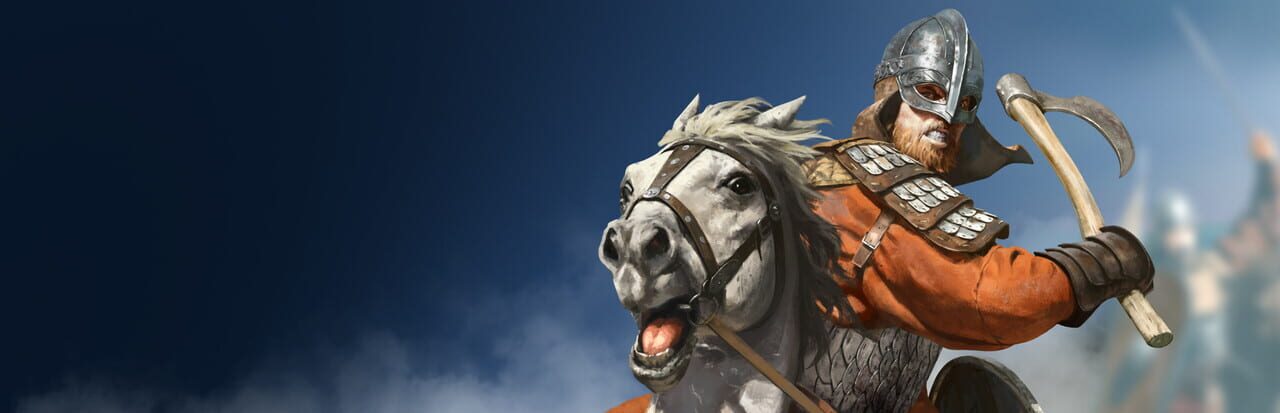
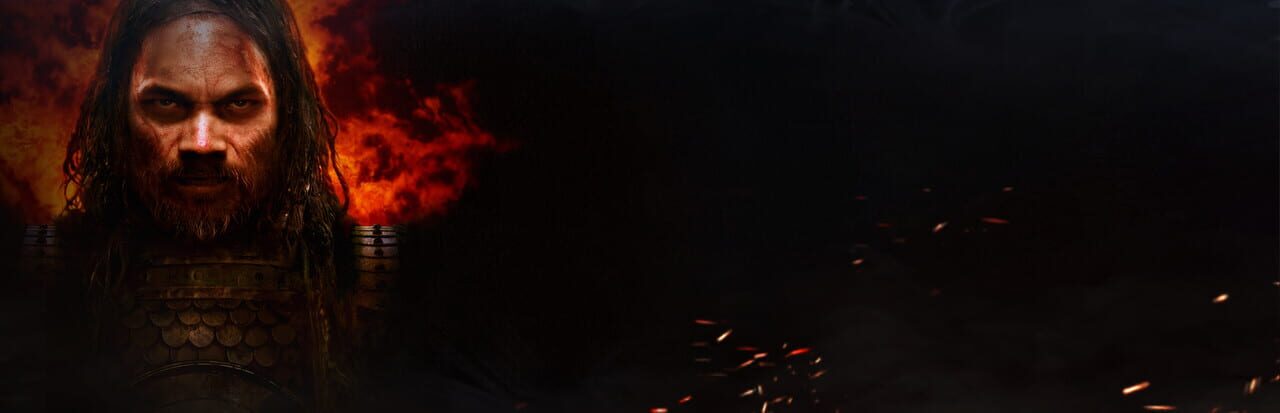
The next installment in the turn-based strategy game with real-time tactics, Total War: Attila casts players back to 395 AD. A time of apocalyptic turmoil at the very dawn of the Dark Ages. How far will you go to survive? Will you sweep oppression from the world and carve out a barbarian or Eastern kingdom of your own? Or will you brace against the coming storm as the last remnants of the Roman Empire, in the ultimate survival-strategy challenge? The Scourge of God is coming. Your world will burn.
THE GAMEQ VERDICT10,000 reviews analyzed
What players are actually saying
1. Summary
In Total War: Attila the job is to hold a collapsing world together, and 86% of the reviews recommend it. Players praise the dark, end-of-days setting, battles and sieges where cavalry charges hit hard and fire spreads through cities, and horde factions that can pack up, migrate and burn their way across Europe. Mods come up in 31% of the longer reviews, more than any other theme we counted, and 116 reviews say they bought the game for a mod or tell others to buy it for one, usually Medieval Kingdoms 1212 AD or the Lord of the Rings conversion The Dawnless Days.
Stutter, freezes and low frame rates are the main complaint: 17% of the longer reviews and more than a quarter of the negative ones describe them, often on new high-end PCs. A smaller group reports crashes, failed launches and corrupted saves. Difficulty splits people. Fans treat the Western Roman campaign as a punishing test they enjoy, while critics say the AI wins by spawning free armies and Huns that never stay dead. Reviewers who give buying advice tend to suggest waiting for a sale, applying the community performance fixes and trying the big mods.
2. What keeps coming up
What players praise
Mods that turn it into several different gamesHigh
Mods turn up in 31% of the longer reviews. Medieval Kingdoms 1212 AD alone is named in 7% of all reviews (685), some of which pitch it as the closest thing to a Medieval III, and The Dawnless Days or Rise of Mordor appears in 3% (273), mostly from Lord of the Rings fans. Ancient Empires, Fall of the Eagles, Radious, Age of Justinian and a Game of Thrones conversion also recur. Some buyers came for one mod and judge the purchase on it: "Its worth it just for the Dawnless Days mod alone". A minority says the vanilla game only works once modded, as in "Base game is OK at best, but mods will make you sink hundreds of hours here", and mod users depend on a launcher and updates that players say sometimes break their mod lists (see the frustrations below).
A dark, end-of-the-world atmosphereHigh
The fall of Rome, the migration period, winters creeping south and Huns framed as the horsemen of the apocalypse: 18% of the longer reviews talk about the setting and mood. The darkness is usually meant as praise: "The dark atmosphere here is not in other historical total war games." Another reviewer sums it up as "Bleak, disconcerting, uncomfortable are three ways in which I would describe the game And I love it." The soundtrack and the nomad throat singing get affectionate mentions. The same darkness is where the visual complaints start (see the split on the game's look).
Battles and sieges with real weightMedium
Battles, sieges or cavalry come up in 14% of the longer reviews. Players single out cavalry charges that hit hard, multi-layered city defences, fire spreading through settlements, and ships landing troops mid-battle: "Attila just simply has the best actual battle mechanics." Another calls them "some of the best field battles, unquestionably the best sieges". The complaints in this group are about battles that end too fast, cavalry they find overpowered, units clipping into each other or ignoring orders, poor pathfinding in city fights and archers without a guard mode.
Hordes, migration and razingMedium
Playing a people on the move, abandoning a homeland, or burning a province so an enemy cannot use it: 10% of the longer reviews bring up hordes, migration or razing. Some describe the horde switch as a lifeline: "During a campaign, if you're in a hole, convert into a horde and escape." Several reviews describe the late game as a map razed to wasteland by the Huns, and a few say the horde novelty fades once you have tried it.
The DLC campaigns, especially Age of CharlemagneLow
Age of Charlemagne is named in 1% of all reviews (140), mostly with warm words for its campaign, and The Last Roman and the desert kingdoms packs collect smaller praise. For some, the DLC is the best part of the package: "the Age of Charlemagne campaign DLC is the best official Medieval Total War 3 we never got".
Where players are split
A survival campaign built to be brutalHigh
Difficulty, challenge or survival come up in 25% of the longer reviews, and those reviews divide sharply. Some fans call it the Dark Souls of Total War and say the struggle is the point: "This is a survival game first and foremost." The Western Roman Empire campaign comes up in 245 reviews, often described as a painful start that becomes satisfying once the empire holds together. Critics feel the game stacks the deck against them: "Designed for you to lose, no matter what you do." Newcomers add a third complaint, that the systems are poorly explained (7% of the longer reviews mention the learning curve, the tutorial or confusion), and veterans advise starting with a barbarian faction or another Total War first.
A better Rome II, or a Rome II reskinHigh
Rome II is the comparison in 20% of the longer reviews. Supporters see Attila as the more polished, harder version, and five reviews use the exact words "What Rome 2 should have been". Others see too little change for a full release. One calls it "Just a reskin of Rome II for full price", and 43 reviews say it should have been a Rome II expansion or DLC. A few of the comparisons also note that Rome II received years of patches that Attila did not.
Public order, food, sanitation and climateMedium
The province systems come up in 9% of the longer reviews. Players who like them describe a balancing puzzle: "Solving the puzzle of sanitation, public order, food, and wealth in each province while battling an array of barbarians is a lot of fun." Players who do not describe constant rebellion, "those who say this game is a revolt simulator are absolutely right", and a climate mechanic that drains fertility as the campaign goes on, which one reviewer says left a good game "ruined by the vastly over powered climate change mechanics". Several reviewers on both sides recommend mods that soften public order or the cooling climate.
Grim visuals or brown mudMedium
Graphics and visual style draw comment in 11% of the longer reviews. Admirers praise the detailed maps and soldiers, one calling them "The best visuals of any strategy game I've ever seen". Critics find the palette murky and hard to read, "The game also looks overwhelmingly brown and dull", and say units blur together on the battlefield. Visual mods come up as the fix.
Politics, family tree and agentsLow
The family tree, court politics or governors appear in 6% of the longer reviews. Some enjoy the marriages, heirs and loyal or scheming generals, while others find the system opaque or bugged. Agents draw a smaller complaint about enemy spies blocking armies and assassinating generals every turn: "please for the love of god nerf agents". A few reviewers also miss the ability to move their capital.
What frustrates players
Stutter and low frame rates on modern PCsHigh
17% of the longer reviews, and more than a quarter of the negative ones, complain about performance. They describe freezes every few seconds on the campaign map, frame rate collapses in large battles and slow menus, often on recent hardware that runs newer Total War games without trouble. Players blame the 32-bit engine, a cap on video memory and poor use of modern CPUs, as one explains: "The game cannot use more than 8 CPU cores, but is not setup properly". Community fixes (editing the thread count in the preferences script, setting CPU affinity, borrowing Thrones of Britannia shaders) work for some and not for others. One positive review puts both sides in two lines: "Probably the best historical total war. Sadly also the worst running total war". A minority reports the game runs fine on their machine.
Crashes, failed launches and lost savesMedium
Crashes come up in 6% of the longer reviews and 16% of the negative ones. Players describe the game closing at the launcher, crashes at the start of battles and sieges, and save files that corrupt deep into a campaign: "You get into the game and story, and then it just starts crashing." Another warns of "random save breaking crashes that can happen at anytime". Several reviewers say the same problems have been reported for years without a fix.
Clunky interface and no UI scalingMedium
The interface is criticised in 5% of the longer reviews and 11% of the negative ones: crowded menus, hard-to-read building chains, an encyclopedia that needs a connection, and unit groups that lock into formation. High resolutions make it worse because there is no UI scaling: "it does not feature a UI scaling option, so things like text are unreadable at high resolutions." Several 4K players say this alone stops them playing.
AI that cheats and Huns that keep coming backMedium
5% of the longer reviews, and 10% of the negative ones, accuse the AI of cheating: one-settlement factions fielding two full armies, rebels spawning elite stacks, and Hunnic armies that reappear after every defeat: "Once you think you've destroyed the huns, they respawn with another 12 stacks." A few reviewers list the endless Huns as a known quirk of the campaign; others call it artificial difficulty and use mods to remove it.
Updates, the launcher and mods breakingLow
3% of the longer reviews say the game was left unpolished while patches and launcher changes kept causing new problems: mod managers resetting, mods breaking after small updates, the game failing to start after a launcher update. One reviewer's complaint: "CA still sees fit to push updates that will break saves".
Co-op desyncLow
Players who bought the game for its co-op campaign report constant desyncs, often during battles or river crossings: "You literally can't finish a coop campaign because the game constantly desynchronizes."
DLC prices and paid bloodLow
3% of the longer reviews object to the DLC model: factions locked behind culture packs, blood and gore sold separately ("needing DLC to unlock blood"), and a base price reviewers consider high for a game they point out is a decade old. 5% of the longer reviews advise buying it on sale.
Long AI turns and broken achievementsLow
Smaller groups mention slow end-of-turn processing ("the wait time between turns is rediculously long"), achievements that cannot be unlocked, and Mac owners who lost the game after macOS updates, though reviews written in 2026 welcome a new Mac version.
3. The player conversation
The conversation is affectionate and veteran-heavy. Reviewers measure Attila against Rome II, Medieval II and Shogun 2 rather than against other strategy games, and 67 reviews call it the last good, great or true historical Total War. Much of the warmth is about what the game makes possible: mods come up in 36% of the longer positive reviews, and some buyers say up front that they treat it as a platform for 1212 AD or The Dawnless Days.
Negative reviews written after a short stay mention performance, crashes or a game that will not run more often than design problems. Negative reviewers who played longer split about evenly between the two, leaning slightly toward design issues like public order, the AI and the Huns. Performance complaints rose over the years in this slice, from 3% of reviews written in 2020 to a peak of 13% of those written in 2025. Over the same years, mentions of the Lord of the Rings mods went from 1% of reviews written in 2020 to 10% of those written in 2026, and some of those reviewers say they play only the mod.
4. What the developers could do
- Make the game use modern CPUs and memory properly. Performance is the most frequent complaint in our counts (17% of the longer reviews), and reviewers keep pointing to the same culprits (thread count, the 32-bit memory cap) and the same manual script edits that only some can get working.
- Fix crash-on-launch, battle crashes and save corruption. Players describe losing long campaigns to corrupted saves and games that stop launching, and say these reports go back years.
- Rein in free AI armies and endless Hun respawns, or make them campaign options. 10% of the negative longer reviews accuse the AI of cheating, and players already reach for mods to remove the respawns.
- Add UI scaling for 1440p and 4K. Reviewers note that Rome II received UI scaling while Attila did not, and some 4K players say they cannot read the text at all.
- Keep saves and mods working across updates. Reviewers ask for stable version branches and a launcher that does not reset or break their mod lists, and some say mods are the reason they still play.
- Explain public order, food, sanitation and climate inside the game. Some newcomers say the systems are poorly explained, and a few learned them from YouTube videos instead.
- Fold blood and culture packs into the base game, or price the bundle for its age. Paid blood and DLC-locked factions are a recurring irritation, and some reviewers recommend the game only on sale.
- Fix co-op desync. Players who bought the game to play with friends report campaigns they could not finish.