Wizardry Variants: Daphne
Studio 2Pro · RPG, Dungeon Crawler, Roguelike
Overview
3D Dungeon RPG The portal of despair opens again. The labyrinth calls you to destruction. Revel in the endless dangers, relish the risk, devour the rewards. Savor the risk.
Read moreShow less
Wizardry Variants Daphne carries on the lineage of the classic RPG series, Wizardry. The portal to the labyrinth of despair, where even destruction is pleasure, has opened once again.
Story
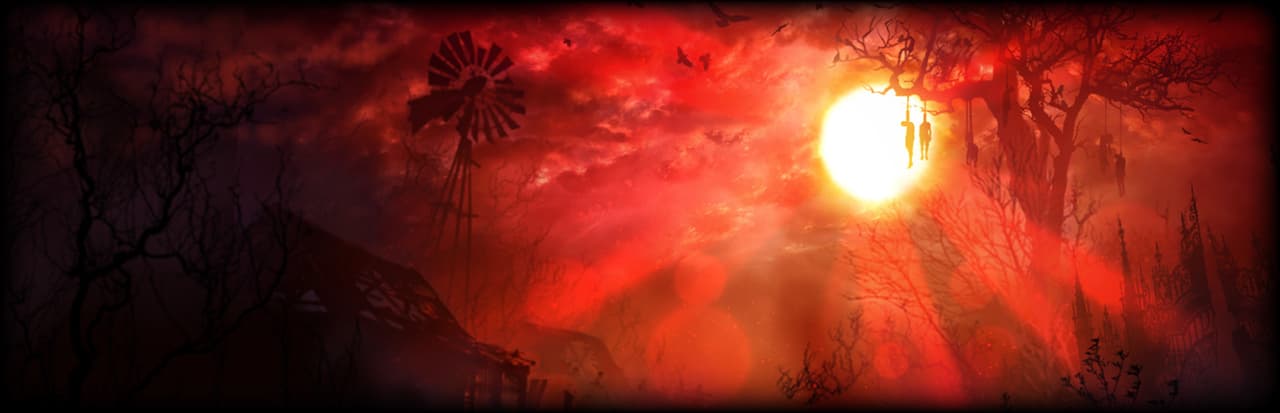
Once every 100 years, the Abyss opens.
It is a curse of death that consumes the continent. A Warlock who coveted Death, devoured people and animals and enveloped the world in despair.
Inheriting the power to seal the Abyss over generations, kings have continued to protect the kingdom from its curse.
But now, the king has vanished, and the world is being consumed by death, moment by moment.
Resistance itself is meaningless.
There is naught but to perish.
Adventure with allies
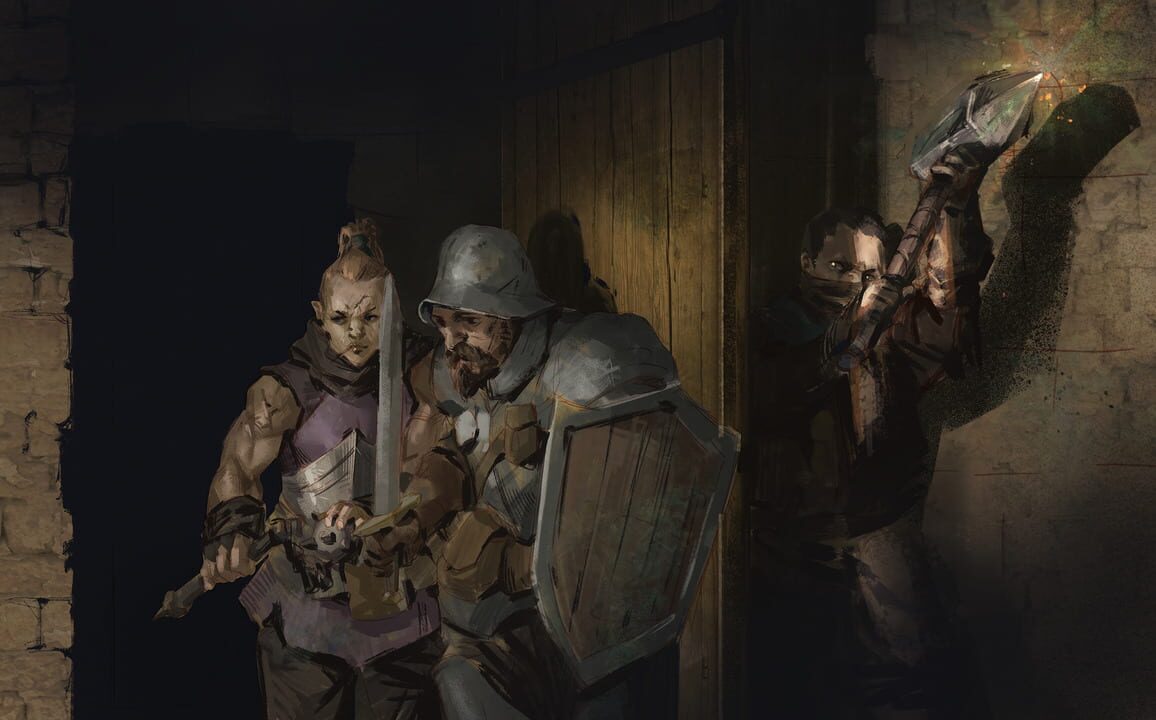
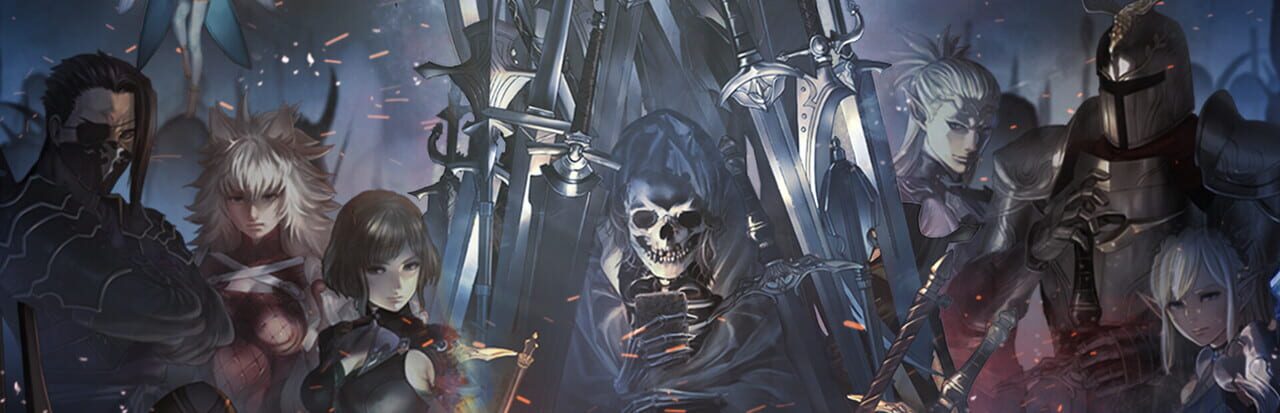
Experience an adventure of your very own with unique allies based on combinations of classes and races.
Difficulty with a bite
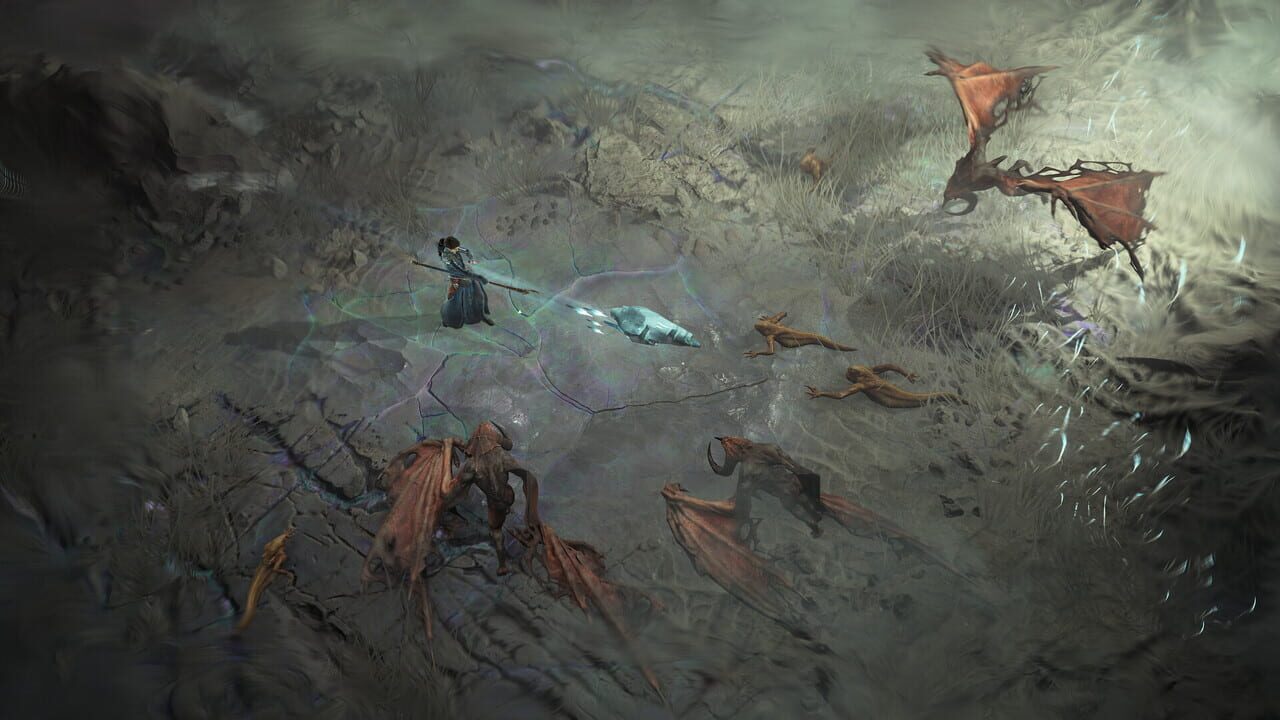
Perilous traps and mighty foes await in the dungeon. Take on a high difficulty that only Wizardry can offer.
- Cadre of renowned creators
Main Character Design: Yusuke Kozaki
Manga artist and illustrator; in addition to writing manga, he also does design work for anime and games, and is well known for the fine touches in his character designs.
Boss Monster Design: Katsuya Terada
His work, centered on manga and illustration, includes character designs video games and movies, as well as poster for theater productions.
Sound: Hitoshi Sakimoto
Has composed for more than 130 game titles of all genres. With their rich sound and epic scale, his scores have received tremendous support not only in Japan, but also from overseas.
- Magnificent cast brings the fully-voiced scenario to life
Other Voice Actors, etc. -
Beth Robb Adams, Mike Bodie, Sarah Borges, Davis Brooks, Shin-Fei Chen, Doug Cockle, Clare Corbett, Arlene Decker, Sarah Galbraith, Garrick Hagon, Arina Ii, Jules de Jongh, Dev Joshi, Samantha Kamras, Rae Lim,Elsie Lovelock, Meaghan Martin, Gianni Matragrano, Joseph May, Alexander McMorran, Eric Meyers, Sarah Pitard, Christopher Ragland, Matt Reeves, Jay Rincon, Cecily Bednar Schmidt, Kerry Shale, Martin T Sherman, Adam Sims, Ina Marie Smith, Colin Stinton, Alex Vincent, Alexandra Vincent, Glenn Wrage -- Other appearances (in alphabetical order)
Other Voice Actors, etc. -
Yutaka Aoyama, Masumi Asano, Koji Ishii, Maaya Uchida, Yu Kobayashi, Tetsuo Komura, Jiro Saito, Yu Shimamura, Yoko Soumi, Shinya Takahashi, Hiroki Takahashi, Yumi Toma, Yuichi Nakamura, Romi Park, Fairouz Ai, Shinshu Fuji, Takanori Hoshino, Anna Yamaki, Aoi Yuki -- Other appearances (in Japanese alphabetical order)
- What is Wizardry?
Wizardry is a computer role-playing game released in the United States in 1981 with elements such as party organizing, labyrinth exploration, monster fighting, and character development having such a tremendous impact on the various RPGs that followed, that it is often referred to as the origin of RPGs. Numerous sequels have been released, and nearly 40 years after its release, it remains a timeless masterpiece that enjoys strong popularity around the world.
From the game's Steam store page.
THE GAMEQ VERDICT1,429 reviews analyzed
What players are actually saying
1. Summary
Under the gacha shell, reviewers find a real Wizardry game. They praise a first-person, grid-based dungeon crawl that punishes carelessness, a dark fantasy story whose time-rewind mechanic opens up after the first dungeon, party members you can see fighting beside you, and gear-driven progression that lets common characters clear content. Nearly a third of the longer reviews talk about the story, and a quarter praise the difficulty or compare the game with classic Wizardry, Tale of the Forsaken Land or Etrian Odyssey. Several reviewers say they forget they are playing a gacha.
The money side is where opinion splits. 58% of the longer reviews bring up the gacha or monetization, and even players who recommend the game call the pull prices, the slow premium-currency income and the per-banner spark system some of the stingiest they have seen. The other frequent complaints are technical: bugs and soft-locks, a PC client that is essentially the phone app on a monitor, a kernel-level anti-cheat that later broke Linux and Steam Deck play, and an account system that wipes progress if you uninstall without saving a code. Players disagree on whether the gacha can be ignored or works as a slow paywall, and on whether the grind and level-cap gates are classic Wizardry or a push to spend.
2. What keeps coming up
What players praise
A story that grows once the first dungeon endsHigh
30% of the longer reviews discuss the story. Players like the grim premise (an undead protagonist sent after a missing king), the dark tone, and especially the Cursed Wheel: after the first full run you can rewind to key moments, redo choices and chase better endings, which reviewers compare to Re:Zero. Some warn that the hook comes late. One wrote that "the game's best plot hook comes at the end of the first dungeon, which may be upwards of 10+ hours to reach." A minority find the writing cliched or the English lines clunky, a few say the third abyss has little plot, and one early quitter called it "uninteresting and, at best, mediocre fantasy." Some also dislike scripted forced-loss fights that cost gold to recover from.
Punishing difficulty that rewards planningHigh
A quarter of the longer reviews describe the game as hard, brutal or unforgiving. Players enjoy that a rabbit or a hobgoblin can one-shot an unprepared party, that MP and SP have to be rationed between inn visits, that ambushes and trapped chests keep every floor tense, and that bosses demand specific strategies. They contrast this with gacha games you can clear on autopilot: "That wasn't an untelegraphed difficulty spike, you just got knowledge checked." Reviewers describe the three daily rewinds to before a fatal fight as the safety net that keeps this fair. The same toughness turns some players away (see the split item on difficulty below).
It plays like classic WizardryHigh
A quarter of the longer reviews tie the game to old-school dungeon crawlers: the original Wizardry trilogy, Wizardry 8, Tale of the Forsaken Land, Etrian Odyssey, Might and Magic, or "blobbers" in general. Fans of the older games praise how closely it follows the series ("It perfectly captures everything a Wizardry game should be"), and several veterans call it the best Wizardry in years. A smaller group misses creating their own party, saying "Variants Daphne replaces that freedom with a fixed protagonist and collectible gacha characters," and a handful call it Wizardry in name only.
Atmosphere, character designs, music and voicesHigh
19% of the longer reviews praise the presentation: the gritty dungeons, anime character designs set in western dark fantasy, Hitoshi Sakimoto's soundtrack, the voice acting, and a first-person view that shows companions attacking, reacting and patting you on the back. One player liked "being able to see your allies who have voices and animations giving a great sense of place." The visuals also draw criticism, mainly on PC, where players call the models dated and the image soft (see the PC port item).
Flexible party building where gear matters more than rarityMedium
Several reviewers say every unit is viable, that nameless and named characters alike can clear content, and that power comes from farmed equipment more than from legendary pulls: "GEAR is what makes a unit." Reviewers like inheriting skills from spare characters, reclassing, alignment-based party buffs and sending spare adventurers on dispatches. The same systems draw the criticism: some find inheritance and duplicate-merging irreversible and confusing, and a few say certain classes, such as thieves late in the game, fall behind.
No stamina systemLow
Some positive reviews point out that there is no energy meter, so you can play as long as you like: "There's basically no stamina." Players note that character fortitude acts as a soft limit instead (see permadeath below).
Where players are split
Whether the gacha can really be ignoredHigh
58% of the longer reviews mention the gacha or monetization. Defenders say you can clear all story content free-to-play, the starting pulls and a free legendary pick are enough, limited characters only add a skill or two, and paid weapons are outclassed by farmed gear. Two reviews put it as "Game first, gacha second" and "It's a dungeon crawler first and a gacha second." Critics answer that skill upgrades, guild tags and some characters' full potential depend on duplicates, that random bonus points and hidden stat growth make pulls feel like a second gamble, and that event content is balanced for heavy spenders. Others land in between: a great game you should play without spending. Some reviewers advise rerolling for a strong start and then ignoring the shop.
Grind and progression gatesHigh
23% of the longer reviews talk about grind or farming. Some accept it as part of the genre ("spending hours grinding the same floor in a drpg like god intended"), while others say the pace turns punishing after the second abyss. Their specific complaints are the level cap at 20 and later caps that need guild tags in growing numbers ("progression is time-gated, especially so if you are F2P"), hard grade-up exams, rare ores and dozens of duplicate items to max a single piece of gear, undead-bane weapons you have to build twice, and long events that reward little. Players who enjoy the loop and players who quit over it often describe the same systems.
Permadeath and fortitudeMedium
11% of the longer reviews discuss permadeath or fortitude, and much of that discussion explains how easy it is to avoid losing a character. Fortitude recovers over time even for dead characters, the protagonist can revive allies mid-fight, and the temple revival only risks turning a character to ash below about 50 fortitude, with a second failed attempt needed for permanent loss. The usual tip is to "only revive the characters at the church at 51+ fortitude." Objectors argue on principle that permanent loss has no place in a game where characters are paid for, and for some it ended their interest ("there's a little chance of permadeath even for paid characters"). Several players also call the timed revival minigame laggy or luck-based, and missing it damages and paralyzes the protagonist.
When the difficulty tips into unfairMedium
11% of the longer reviews describe moments that feel cheap: ambushes even when facing an enemy, instant-death attacks from basic mobs, bosses that act twice or counter-attack into a party wipe, no enemy health bars, and death loops where you revive next to the same unwinnable fight. The third abyss and some event bosses come up often. One negative review that still praised the tension of exploring said the challenge "can feel unnecessarily difficult and flat out cheap, seemingly just to artificially block progress."
What frustrates players
Bugs, soft-locks and crashesHigh
23% of the longer reviews report bugs, usually black screens after battles or on launch, freezes at x2 battle speed, UI that stops responding, quests that fail to trigger, and soft-locks in the tutorial or in front of chests. The worst cases persist across restarts because the game saves mid-combat: "Because of the way it's programmed, restarting the game sends me back to that exact moment in the fight where the bug occured." Some new players also hit launch or connection failures ("security policy violation" errors, endless "check your network connection" messages) before they could play at all. Long-time players give the developers some credit for patches and compensation gems, and some note that the same save behavior usually means "you just boot up the game and you're exactly where you left off." Others say fixes introduced new bugs.
A bare-bones PC portHigh
22% of the longer reviews criticize the PC version, more than half of them written in the first two months on Steam, many by players early in their time with the game. They name the same problems: resolution limited to 1080p without editing launch options, almost no graphics settings (no anti-aliasing, no vsync, screen tearing), menus and town screens built for a vertical phone ("They didn't even bother to adjust the UI for a monitor, so it's grossly centered on the full screen"), "tap" and "swipe" prompts, keyboard movement that switches to menu navigation whenever the cursor touches the UI, no key rebinding, and at launch no exit button. Game data downloaded into the system drive's AppData folder regardless of the Steam library location: "it downloads to your default boot drive with as far as I can tell, no way to change it." One reviewer summed it up as "game is great, port is terrible. simple as." Some later reviews say the port improved, and a minority suggest simply playing on a phone.
Pull prices and stingy free currencyHigh
16% of the longer reviews complain specifically about prices or how slowly free currency arrives, and several positive reviews list it as their one big con. Players cite roughly 40 dollars for an 11-pull ("2000 gems cost me like $40 just to draw 10 random characters"), a 2% featured rate, a 100-pull spark whose points do not carry to the next banner, separate currencies per banner, and weeks of dailies for one ten-pull. One review listed "$4, per pull, a 100-pull spark system with no carry between banners." Some note the 5% legendary rate is generous on paper and that later passes and packs improved value, but fans criticize the shop too.
Anti-cheat, Linux and Steam Deck, and the March 2026 updateMedium
12% of the longer reviews object to the anti-cheat. Reviewers say it was nProtect GameGuard at launch, which some players could not get past and which needed manual removal after uninstalling. According to reviewers, the 5 March 2026 update swapped in CrackProof, which runs as an always-on system service and ended Linux and Steam Deck play: "What the hell does this need kernel-level anti-cheat for." They report that the same update added Tapjoy, a third-party offerwall for premium currency, to the mobile version, and players feared it would damage the game's economy; later reviews say it was removed in the US. Earlier Proton breakages (a DirectX 12 switch, assets re-downloading on every launch) had already cost Linux players. A few reviewers point out that many popular games use kernel anti-cheat and say it does not bother them.
Progress lost on uninstallMedium
A smaller group of the longer reviews describe losing an account or warn others about it. Progress is not tied to Steam: moving the install, reinstalling or switching PCs wipes it unless you saved an ID and generated password, and players say the game never tells you this. One review put it plainly: "Fun game, but if you uninstall it, you lose your account." A few say they lost purchases this way. Fans post the workaround (link a second device, store the code), but even they call the system outdated.
Wishing it were a paid, offline gameMedium
A small group would rather pay for a complete version without the gacha ("Would gladly drop $30 for the full game"), and a few others worry about an always-online single-player game whose servers may one day close. Some of these reviewers say they otherwise like the game.
Systems the game never explainsMedium
Some players say they needed the community wiki or Discord to understand fortitude, inheritance, hidden stat values, blacksmithing, alignment effects and where key items come from. A few see this as part of the old-school design. Others think "having access to a working (non-blocked or monitored) search engine shouldn't be a requirement to play or enjoy a game." Players also mention that the long opening tutorial explains basics but not the systems that matter.
Japanese voices with English textLow
In the first weeks on Steam, players asked to pair Japanese audio with English text, since language choice controlled both. Later reviews say the option arrived ("JP voicelines was finally added to the game for english text users").
Mages that run dryLow
A few players say mages and priests become dead weight once MP runs out, since restoration items are rare in dungeons: "there is seemingly no way to regain MP so mages become deadweight by about fight 4 out of 30."
An overzealous name filterLow
A handful of new players were blocked from using ordinary names, including their own, for the protagonist or summons, and one wrote that "having name filters for a single player game is dumb."
3. The player conversation
Reviews in both camps often weigh the same strengths and flaws. Some negative reviews open by calling the dungeon crawl excellent before listing what drove them away, and positive reviews list the gacha prices and bugs as real flaws. Some of the long reviews read like guides: veterans explain fortitude thresholds, reroll targets, account linking and launch-option fixes, and argue openly with reviewers they think misunderstood the game. Short reviews split between "peak" and one-line verdicts on the port or the shop.
Who raises what is fairly clear. Complaints about the PC port's settings and controls, the boot-drive install and the name filter lean toward players with a few hours on record, often stopped at the tutorial or the first town. Players with long play histories, some of them mobile players from before the Steam release, focus on pull economics, guild-tag and level-cap gating, event grind, balance in the third abyss and support response times. The March 2026 anti-cheat and Tapjoy protests came mostly from that long-time group.
Sentiment moved with events. Launch week on Steam (6 to 12 March 2025) produced 197 reviews at 64% positive, with the port mentioned in a quarter of them. May to December 2025 was the warmest stretch, at 71% positive, and reviews from that period mention fixes to the port, the language options and the economy. The 5 March 2026 update caused a sharp dip: 24% of the 42 reviews written in the following eleven days were positive, most of them citing Tapjoy or the new anti-cheat, and several long-time players flipped earlier positive reviews. From mid-March 2026 onward the ratio settled back to about 61% positive, with the gacha and the Linux and Steam Deck breakage remaining the standing complaints.
4. What the developers could do
- Rebalance the gacha economy. Pull prices, the 2% featured rate with a non-carrying spark and thin free-currency income draw complaints even from fans, so cheaper pulls, spark points that carry between banners and steadier free gems would answer them directly.
- Fix stability first, especially mid-combat freezes. Black screens, x2-speed freezes and soft-locks that resume into the same frozen fight recur across bug reports, and some cost players their accounts or paid items.
- Build a real PC client. Players asked for resolutions above 1080p, anti-aliasing and vsync, landscape-aware menus, keyboard movement that does not jump to UI navigation, rebindable keys, and downloading game data into the Steam library folder instead of AppData on the system drive.
- Tie accounts to Steam, or at least warn before data is lost. Losing progress after an uninstall or a drive move, with no prompt to save the ID and password, is an avoidable source of angry reviews.
- Use an anti-cheat that only runs with the game and supports Proton. Reviewers say the always-on CrackProof service from March 2026 ended Linux and Steam Deck play, and it came with the March 2026 dip in sentiment; some point to other games that use lighter versions.
- Ease the level-cap and gear gates. Growing guild-tag requirements, hard grade exams, scarce ores and long event grinds are what longer-term players say make progression feel time-gated.
- Explain core systems in the game itself. Players say they had to learn fortitude thresholds, inheritance, hidden stat values, blacksmithing and enemy resistances from the wiki, and a clearer in-game help path could ease the frustration of new players.