Silent Hill: Townfall
Screen Burn · Horror, Action, Adventure
RELEASE MILESTONES
Dates from IGDB release data
Overview
Returning to an island town to ‘put things right’, Simon Ordell descends into a world of tense evasion, explosive confrontations, and mind-bending puzzles that slowly surface the truth of St. Amelia.
Read moreShow less
Simon Ordell is called back to the island of St. Amelia to ‘put things right’, encountering a town lying quiet beneath a heavy fog, seemingly abandoned but not at rest.
Venturing deeper, and driven to understand his connection to the place and its inhabitants, Simon begins to discover fragments of a past rising to the surface.
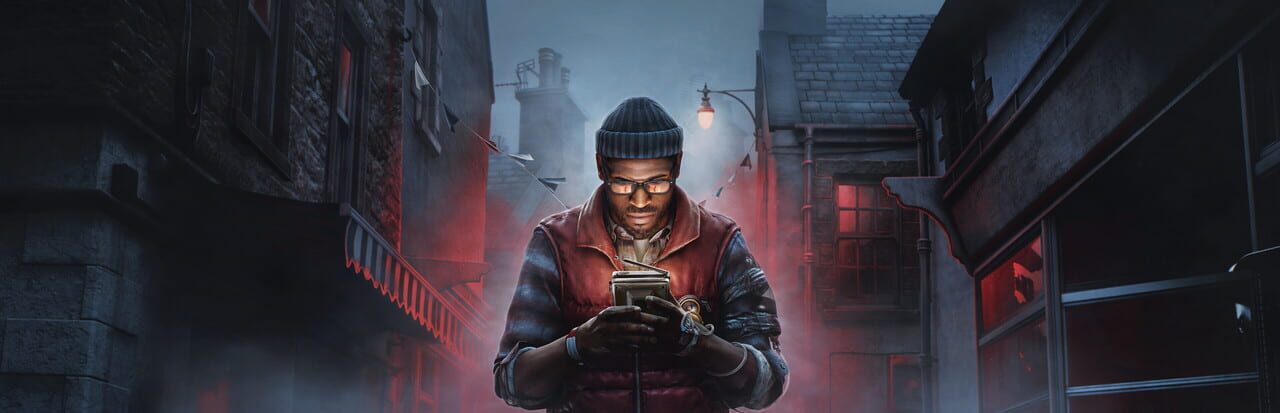
Experienced entirely in first person, Simon must explore, evade, and survive using a limited set of weapons and tools, including the CRTV, a pocket television used to tune into unstable signals. Evasion is tense; combat is frenetic, while narrative driven puzzles reveal a truth that refuses to stay submerged.
SILENT HILL: Townfall is a full-length, self-contained psychological horror set against the cold, isolated backdrop of Scotland, 1996.
Explore St. Amelia in 1996
Fog-soaked streets, abandoned communities, and forgotten corners tell their story through atmosphere and history. Reality and delusion subtly intertwine to lure players into the depths of the grounded, tangible world of St. Amelia.
A Brand-new, Memorable SILENT HILL
SILENT HILL: Townfall exudes the beautiful and foggy streets of Scotland, offering a new setting to tell a unique and haunting story. More than just a horror game, this is a tale of introspection, loss, and consequence. Fear grows from small details, quiet moments, and the long shadow of Simon's past.
Strategic Stealth and Combat
Swing and block with melee weapons in frenetic melee combat, or keep your distance and use firearms to survive.
Choose how to engage in each encounter, using both the tools at your disposal and the environment around you.
Beyond fighting or fleeing, carefully sneak past danger through stealth, tracking enemy positions from cover or luring them away with distractions.
Narrative Puzzles Guided by the CRTV
The iconic SILENT HILL radio makes a comeback as the CRTV, a portable television device.
Threats lurking nearby, story fragments, & mysterious clues drift through unstable analog signals, which players can pick up by tuning the CRTV.
Through narrative-driven puzzles closely tied to these fragments, players can relive past events and catch glimpses of everyday life in town, remaining constantly aware of the story.
A First-Person SILENT HILL Experience
The first full-length SILENT HILL game to be presented in first-person perspective, players experience the fog-shrouded town directly through the eyes of Simon.
With limited visibility and a heightened sense of proximity to danger, stealth, combat, exploration and the CRTV feel intimate, close and terrifying.
Multiple Endings
Endings shaped by the player’s actions leave a lasting emotional impression long after the story comes to an end.
Tension-Building Audio Design & Music
Every creak, signal, and cry pulls the danger closer, with creative audio design building a rich and terrifying soundscape.
A fully dynamic soundtrack by Pilotpriest builds and twists with player and enemy actions, reacting and building tension and release with the ebb and flow of action and stealth.
From the game's Steam store page.
THE GAMEQ VERDICT2,873 reviews analyzed
What players are actually saying
1. Summary
Reviewers who recommend Townfall and reviewers who don't mostly agree on its strengths: the fog-drowned 1990s Scottish fishing town of St. Amelia, the sound design and music, the near-photoreal visuals and a run of tactile puzzles that work without hints. A good number of longtime fans say it feels more like the original games than any entry in years, and most players welcome the first-person camera, a first for the series.
They divide over the gameplay. Townfall is a stealth game first: hide in lockers, watch patrols on the pocket CRTV, throw a bottle, wait, move ten metres, wait again. Some players find that tense in the way Alien: Isolation is. Others call it a "waiting simulator", and they save their angriest words for The Weight, an unkillable stalker that kills in one hit. On PC, traversal and shader stutter and repeated Unreal Engine crashes filled launch week reviews; a shader patch helped, but reports of both continued. Players also disagree about the story, the combat, the late puzzles and whether the game earns the Silent Hill name. Fans of slow stealth horror and atmosphere call it a highlight of the series, and players who wanted classic survival horror call it a slog.
2. What keeps coming up
What players praise
Atmosphere, sound and visualsHigh
About 30% of all reviews praise the atmosphere, nearly a quarter single out the visuals and close to one in five praise the music or sound design, in negative reviews as well as positive ones. Reviewers describe fog so thick you "can't see more than a few feet" ahead, a red-lit Otherworld of pipes and brutalist concrete, and a score that several fans compare favourably with Akira Yamaoka's work. One reviewer wrote "Sound design is the star of the show, incredible." A harsh critic opened with "If games were judged only by atmosphere this would be a masterpiece." A few players call the music forgettable or the sound mix too loud, and some say the looks come at a heavy performance cost.
St. Amelia and its 1990s British detailMedium
Reviewers from the UK and Ireland write about the setting in the most detail. They point to charity-dog collection boxes, electricity meters, payphones, sweet machines and housing that one Scottish reviewer called "1:1 recreations of the average Scottish family home in the 90's." Another wrote "Perhaps the most accurate depiction of Scotland in a video game ever made." Plenty of jokes about the town looking like an ordinary British day sit alongside the sincere praise. A minority find the town small, linear and blocked off by locked doors and parked cars, and a few call the underground and concrete sections samey.
First person and the CRTVMedium
Most players who mention the switch to first person like it: "First person was the right call for this game." They say it makes peeking around corners and hiding more tense, and some compare it to what Resident Evil 7 did for its series. The CRTV, a pocket television that shows nearby enemies through walls and doubles as a puzzle and lore tool, is widely liked as a new take on the old radio. Its critics say it removes the fear because you always know where everything is ("the player's wallhack machine (CRTV)"). A small group gets motion sick in first person or wants a third-person option.
Voice acting and performancesLow
Acting and facial capture get regular, brief praise, and Terry O'Quinn's character gets several mentions by name. A handful of reviewers find the dialogue stiff or Simon's expressions flat.
Where players are split
The story and how it is toldHigh
Around four in ten reviews talk about the story. Admirers call it one of the best in the series, a tale of guilt and corporate blame that "sticks the ending well", and a few say it made them cry. Critics guessed the twist within hours, find the corporate villain cartoonish, and feel the game over-explains itself. One wrote that it "refuses to leave anything up to interpretation", another that "the point of the narrative is being hammered into you repeatedly long after everything has been revealed." Zoe is the favourite character for many ("Zoe deserved better."), while a vocal group calls Simon bland ("Simon has 0 personality").
Puzzles: clever early, obtuse at the endMedium
Puzzles come up in about a quarter of reviews, more often with praise than criticism. Some fans call them "the best in the franchise" because they are built on real hospital equipment and 1990s machinery and can be played with hints switched off. The complaints focus on a few late puzzles, especially the final control-room panel, the valve and pipe puzzle and the blood transfusion task. One reviewer named "The control panel puzzle, the AUX pipe puzzle and the clamp release puzzle" as the three they could only solve with YouTube videos, and another joked that "you have to be a nurse and also an engineer to play this game." A separate puzzle difficulty setting helps, but players still describe parts of the last chapter as trial and error.
Whether it is really Silent HillMedium
Reviewers compare it with Silent Hill f constantly. Many say Townfall feels more like classic Silent Hill than f did, with slower pacing, a vulnerable protagonist and a guilt-driven Otherworld. Others say it shares nothing with the series beyond fog and a title: "If Silent Hill was removed from the title and you just called it Townfall", it would be a decent stealth horror game. Alien: Isolation, Outlast and Amnesia come up on both sides, and fans of those games tend to enjoy Townfall while players who dislike them mostly do not.
Combat and weapon durabilityMedium
Combat is deliberately weak. Supporters say fragile weapons and scarce ammo keep fights tense, and several call the late section with Richard and a shotgun the best part of the game ("The late-game section that introduced the shotgun completely flipped the gameplay on its head"). Detractors say melee breaks after one or two enemies ("the melee weapons are practically wet cardboard"), that enemies chain grabs, and that ranged enemies hit through doorways. Several reviewers who disliked the stealth say lowering the combat difficulty helped: "If it becomes too much, just change the difficulty so it's less frustrating, was much better after that."
Endings tied to your kill countLow
The main endings weigh how many enemies you kill against how many discoveries you make. Some players like the idea; others resent that it pushes them back into the stealth they dislike. They also complain that kills during Richard's shotgun chapter count against you and that the game never explains the system. Players going back for every ending like the NG+ rewards, such as an axe.
What frustrates players
Forced stealth and endless waitingHigh
About 40% of reviews discuss stealth or hiding, and close to half of negative reviews bring up stealth, hiding or the stalker. Players describe crouching behind cover, watching patrols on the CRTV and waiting minutes for enemies to move, with only one bottle or brick to throw at a time and no stealth takedowns. One heavily upvoted review calls it "a psychological experiment designed to determine exactly how long a person can crouch behind a wall waiting for an enemy to walk away"; another describes the mid-game shift as "now half of your gameplay is sitting in a closet." Zoe's unarmed chapter and the long late-game sections draw particular anger. Defenders say patrols are predictable, the stealth is manageable once learned, and the slow pace is what the genre is about.
PC stutter and crashesHigh
About a third of reviews mention stutter, frame drops, shader compilation or Unreal Engine 5, and about one in ten report crashes, often every 15 to 30 minutes and frequently with ray tracing on. High-end hardware didn't spare people ("Running a 5080 and still dealing with stutters on high settings."), and because saving happens only at phones, a crash after a long stealth section means replaying it. AMD users, controller users and Linux players report their own problems, and several note that the Unreal crash reporter had no server configured. A shader patch in the first week helped: performance mentions fell from 39% of reviews written in launch week to 23% of those written the week after. Players shared workarounds such as turning off Nvidia Reflex or ray tracing and capping the frame rate, and plenty of others report smooth play and call the complaints overblown.
The Weight, an unkillable stalkerMedium
The invincible pursuer that kills in one hit appears in two sections and is named or described in about one in ten reviews, almost always with anger. Players say it seems to know where they are through walls and floors, camps the room they hide in, and doubles back the moment they step out: "dude walks three steps outside your room and comes right back in before you even leave the closet." A few reviewers say they changed their recommendation to negative there, some quit, and some turned to mods that reset or freeze its behaviour. Mentions of The Weight roughly doubled in reviews written in the second week, as more players reached it. Many positive reviews also name it as the one thing they would change, and several mention that the developers said they would adjust it.
Pacing and a dragging second halfMedium
Many reviews describe a strong first few hours followed by a slog through the middle and the final chapter, with fetch tasks on top of stealth: find four keycards, avoid the same patrols, backtrack. Some say waiting pads the game to its 12 to 20 hours. Players often praise the opening town section and Richard's chapter, and criticize the hospital basement and the final chapter.
Few enemy typesLow
A smaller group notes there are only around four enemy types, that no new ones appear after the first several hours, and that the designs feel generic next to the series' classic monsters. Defenders point out that Silent Hill 2 also had few enemy types.
Saves, checkpoints and progress lossLow
Manual saving at phones, few autosaves and long stealth stretches combine badly with crashes and one-hit deaths. Players mention "the lack of checkpoints means repeating huge sections if you get caught," and a few report soft-locked saves or bugged doors.
Controls and missing PC optionsLow
Keyboard players complain that some keys cannot be remapped ("Not having customizable controls in the big 26 is kind of an embarrassment."), and controller users report skipped menu inputs, broken crouch and keypad problems. Others ask for HDR, frame generation and a toggle for the always-on film grain; the default letterbox bars confused a few players until they found the setting.
Price at launchLow
Most reviews do not discuss price, and several call the lower-than-usual price fair ("($50 is a good price)"). A minority of negative reviewers say to wait for a sale, and Deluxe Edition buyers who paid extra for early access resent spending those days on crashes.
3. The player conversation
Reviews are often long and argue with each other. Many reviewers respond directly to other reviews, either warning about the stealth or defending the game against what they call bandwagon negativity, and more than a dozen say they wished Steam had a neutral option. One short review: "not as bad as some people say it is, not as good as some people say it is either."
Stutter and crash reports came mostly from players in their first hours, many of them early-access buyers writing within an hour or two of starting. Complaints about The Weight, the dragging middle, the ending system and the final puzzles come from people who finished or nearly finished the game. The same shift shows over time. In launch week PC performance dominated; by the second week performance mentions had dropped by about two fifths and complaints about stealth and The Weight had grown. The overall positive share barely moved between the two weeks, so design complaints took the place of the performance complaints the patch removed.
Longtime series fans disagree most among themselves: some call Townfall the best non-remake entry since Silent Hill 4, others say it has nothing to do with the series. Several newcomers to the series and fans of Alien: Isolation-style stealth horror write some of the warmest reviews.
4. What the developers could do
- Retune The Weight's tracking and leash behaviour. Players describe a pursuer that senses them through walls and camps hiding spots, and some say its sections are where they quit or turned their review negative.
- Keep fixing PC stability and traversal stutter. One in three reviews raised performance and one in ten reported crashes, and players resorted to toggling Reflex, ray tracing and frame caps to stay stable.
- Give the stealth more tools and less dead time. Reviewers ask for more than one distraction item at a time, stealth takedowns and shorter waits for patrols, and the hiding and waiting is the reason many negative reviews give.
- Add checkpoints before long stealth stretches. Manual saves at phones plus crashes and one-hit kills mean players replay large sections, which reviewers say turns tension into tedium.
- Add tiered hints to the late puzzles. The control-panel, valve and blood transfusion puzzles are the ones players name when they say they needed YouTube, while the earlier puzzles get praise.
- Allow full key remapping and fix controller input. Keyboard players cannot rebind every action, and controller users report skipped inputs, broken crouch and unusable keypads.
- Explain the ending system in game. Players feel blindsided that kills, including those in Richard's combat chapter, decide the main endings.
- Add HDR, frame generation and a film grain toggle. These are smaller requests from PC players, mostly with high-end setups.