South of Midnight
Compulsion Games · Action, 3D Platformer
Overview
South of Midnight is a new action-adventure from Compulsion Games. Explore the mythos and confront mysterious creatures of the Deep South in this modern folktale while learning to weave an ancient power to surmount obstacles and unravel your family’s hidden past.
Read moreShow less
UNRAVEL THE PAST
From the creators of Contrast and We Happy Few, South of Midnight is a spellbinding third person action-adventure game set in the American Deep South.
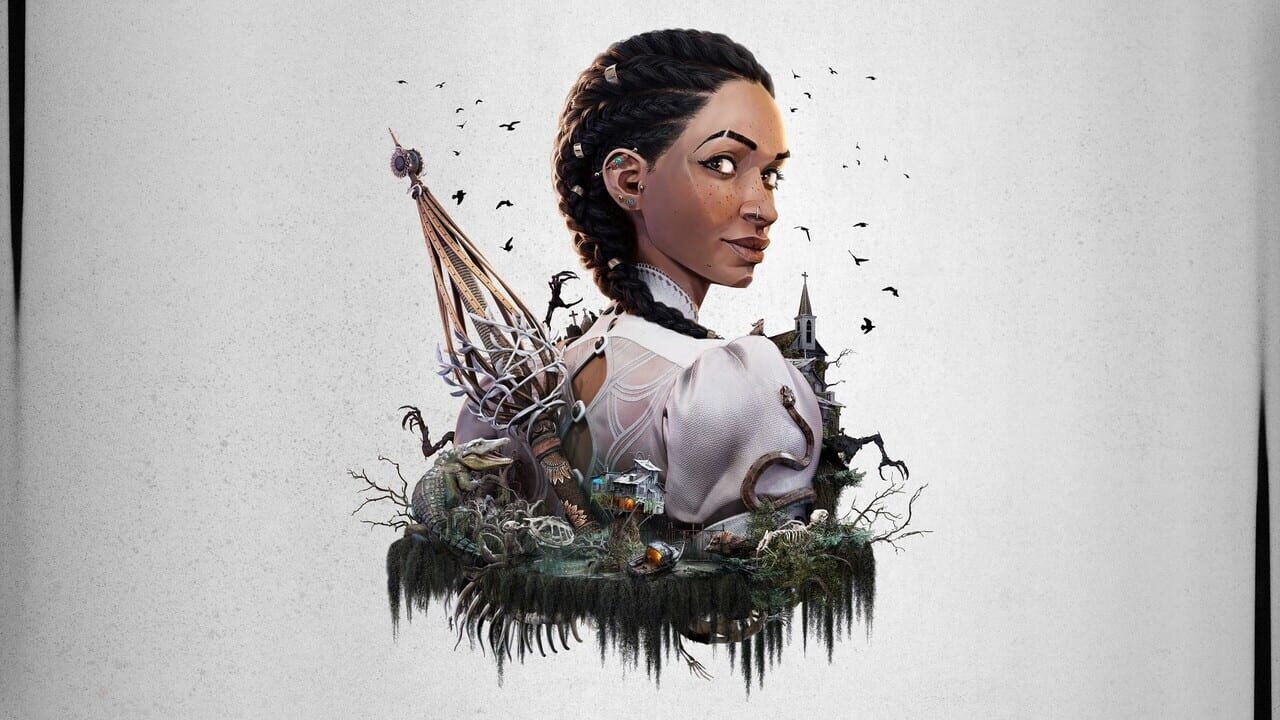
As Hazel, you will explore the mythos and encounter creatures of Southern folklore in a macabre and fantastical world. When disaster strikes her hometown, Hazel is called to become a Weaver: a magical mender of broken bonds and spirits. Imbued with these new abilities, Hazel will confront and subdue dangerous creatures, untangle the webs of her own family's shared past and - if she's lucky - find her way to a place that feels like home.
A DARK MODERN FOLKTALE
When a hurricane rips through Prospero, Hazel is pulled into a Southern Gothic world of memory made real and must embark on a journey to rescue her mother and safeguard her hometown. In this folktale for modern times, Hazel will need to reconcile the weight of family, history, and legacy against her own identity.
CONFRONT MYTHICAL CREATURES
Wield an ancient power to restore creatures and uncover the traumas that consume them. Cast weaving magic to fight destructive Haints, explore the diverse regions of the South, and reweave the tears in the Grand Tapestry.
HAUNTING BEAUTY OF THE GOTHIC SOUTH
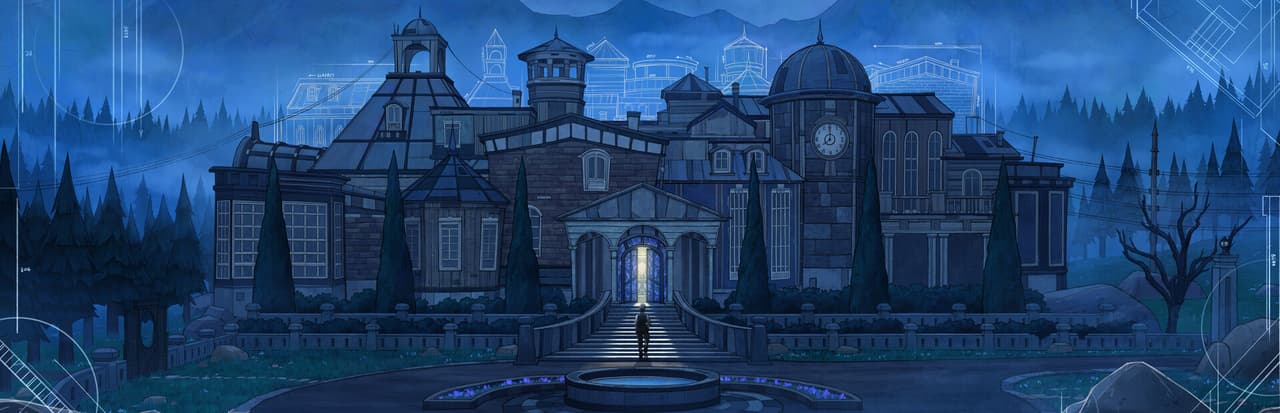
Discover the lush, decayed county of Prospero and its locals. Experience a crafted visual style, touching storytelling, and immersive music inspired by the complex and rich history of the South.
From the game's Steam store page.
THE GAMEQ VERDICT3,745 reviews analyzed
What players are actually saying
1. Summary
Players love South of Midnight for its storytelling and craft, and 95% of English reviews recommend it. Most of the praise goes to three things: a story about grief and healing built from Southern folklore, a soundtrack whose songs grow through each chapter and burst into full ballads at the boss fights, and a stop-motion inspired art style that some call the most beautiful they have seen. 43% of all reviews bring up the music, and 47% mention the art, visuals or animation. Reviewers describe crying over the side stories, recognising their own Louisiana or Deep South upbringing in the sounds and dialogue, and finishing the roughly 10 to 15 hour campaign in a few sittings because they could not put it down.
The combat is where opinion turns. About one in five reviews, recommending ones included, call the fighting repetitive, clunky or shallow: the same handful of enemies in the same closed arenas, chapter after chapter. Among the 5% who do not recommend the game, combat is the most common reason (44% of negative reviews), and about half of all negative reviews still compliment the art, music or voice acting. Smaller groups point to a rushed final chapter and a flat final boss, PC stutter and bugs, and a price that feels high for the length. Some players advise lowering the difficulty or switching on the option to skip fights so the story can carry the game.
2. What keeps coming up
What players praise
A Southern folk tale about grief and healingHigh
70% of reviews talk about the story, more than any other topic, and the structure is what wins people over: each chapter is a self-contained tale of a haunted person or creature from Southern folklore (Two-Toed Tom, Huggin' Molly, the Rougarou, the story of Benjy), stitched together by Hazel's search for her mother after a hurricane. Reviewers praise how the game handles slavery, child abuse, poverty and generational trauma without turning preachy, and how even the villains get sympathetic backstories. Players from Louisiana and across the South write about feeling seen, down to the frogs, cicadas and street names; one recalls telling family on first boot, "hey they even got our frogs to voice act". Dozens describe being moved to tears ("Cried more than once as a mom of 2."), and the chapters about Huggin' Molly, Two-Toed Tom and Benjy are the ones named most often.
A minority find the main plot thin next to the side stories, the twists predictable, or the episodic "monster of the week" shape repetitive by the middle chapters. A few think heavy themes are rushed through rather than explored, and several wanted more of characters the game sets up and then drops.
Art direction and the stop-motion lookHigh
47% of reviews mention the visuals, usually to praise them. Players compare the look to Laika films, Coraline and Tim Burton, praise the hand-made textures on characters and creatures, and stop to take screenshots of the swamps, the stranded riverboat and the later dreamlike chapters. Some single out the wildlife, such as the turtles, raccoons and herons wandering through levels, and several ask for a photo mode so they can capture it all. Negative reviews often concede the point: about half of them compliment the art, music or voice acting. A smaller group dislikes how the stop-motion effect looks in motion.
A soundtrack that tells the storyHigh
43% of reviews bring up the music, and what players single out is how it is built: each chapter's theme starts as whispered fragments, gains verses as you uncover the story, and plays in full, sung by or about the boss, when the fight arrives. Reviewers praise the mix of blues, gospel, jazz, bluegrass and folk, the sound effects that add choir notes to Hazel's jumps and glides, and the swamp soundscape. Some say they bought the soundtrack or added it to their playlists afterwards, and one review sums the game up as "An amazing album that comes with a free game!"
Characters and voice performancesMedium
Reviewers describe the cast as distinct and believable, with strong voice work throughout. The giant talking Catfish, with his Cajun accent and lines about the Piggly Wiggly, is a favourite, Crouton the stuffed companion is mentioned even more often and prompts several requests for a plush, and Roux and the boss characters get special mention. Hazel herself is praised far more often than criticised: reviewers call her sassy, empathetic and relatable, and several defend her stubbornness as true to an 18-year-old ("thinks they know everything and it SHOWS. its REAL."). Some also enjoy her costume and hairstyle changes across the chapters. A few fans of the reveal trailer were disappointed that Shakin' Bones barely appears.
Boss fights and their songsLow
Boss encounters are where combat praise concentrates. Players describe them as creative, cinematic and much more varied than the regular arenas, with Two-Toed Tom, Huggin' Molly and the Rougarou named most often, and the songs playing during each fight make them the emotional peaks of their chapters. The first boss is unclear for some, and the final boss disappoints others (see the frustrations below). Completionists also mention the no-hit boss achievements as the hardest part of a 100% run.
Difficulty and accessibility optionsLow
About 3% of reviews call out the settings: five difficulty levels including a story mode, toggles to skip regular fights, bosses or chase sequences, and adjustable HUD, subtitle and audio options. Newer players, players with disabilities and those who just want the story describe these options as the reason they finished the game. One player who skipped several chase scenes wrote, "I really appreciate this development team's efforts to make South of Midnight accessible to all." Some critics read the skip-combat option as an admission that the combat is weak.
Where players are split
Platforming and traversalMedium
Movement gets more praise than criticism, roughly two reviews for every one that complains, and some mention both. Fans enjoy chaining the double jump, wall runs, grapple points and glide, compare it to Prince of Persia, Jak and Daxter and Psychonauts, and say it was the part they looked forward to more than the fights. Critics find it basic and on rails, with jumps that do not always register, ledges Hazel refuses to grab, invisible walls and moments of getting stuck on terrain. The timed chase sequences split people too: some love them, others found them repetitive or frustrating, and a few players gave up at one.
A linear, old-school action gameMedium
The game follows a strict line: explore a corridor with side paths for upgrade currency and lore, clear a few arenas, run a chase, face a boss. Some reviewers welcome this as a relief from bloated open worlds and compare it fondly to PS2 and Xbox 360 era action games, to Kena: Bridge of Spirits and most of all to Alice: Madness Returns. Others use the same comparisons as criticism and call it dated, safe and generic, with puzzles too simple to count. Exploration rewards divide people as well: some enjoy hunting floofs and notes, others found the rewards too small to justify the detours.
Length and priceMedium
Reviewers who mention length usually put the campaign at 10 to 15 hours, and about 20 for a full clean-up. Many of them call this tight and respectful of their time at a $40 price, and some say it is worth more ("This game is worth the 40 bucks, and feels much tighter in some ways than the AAA games"). A smaller group, including several recommending reviews, feels it is short for the price and advises waiting for a sale ("£35 for 10 hours of gameplay with a not so good ending come on man."). Fans who call it short usually mean it as a compliment, and a recurring request is a sequel or DLC because they wanted more time in the world.
The stop-motion effect in motionLow
The reduced-frame animation wins plenty of fans, but a minority found it reads as lag, especially combined with real stutter, or that it made them motion sick. One negative review put it bluntly: "It looks like the game is dropping frames". Players note that the effect can be turned off for gameplay but not for cutscenes, which are locked to 30fps, a sore point for some on high-refresh monitors. Others felt the effect is applied inconsistently, with smooth bodies and choppy faces.
Hazel's running commentaryLow
A small group finds Hazel tiring: too many quips, comments that spell out what the player has already worked out, and slow reactions to obvious warnings. "(Main character comments a bit too much for my liking though)" is a typical mild version. Several of these players add that she improves as the story goes on, and far more reviewers praise her than criticise her.
Songs with lyricsLow
The sung tracks get plenty of praise, but some reviewers found certain lyrics so literal they cringed. One player said the lyrics were "so ear-piercingly on the nose that I actually had to disable the lead voice music", using the option to remove lead vocals. A few also wanted subtitles for the lyrics because the vocals sit low in the mix.
What frustrates players
Repetitive, shallow combatHigh
Fans and critics alike complain about the fighting. About one in five reviews call the combat repetitive, clunky, basic or boring, and it is the top reason given in negative reviews (44% of them). The specifics repeat across reviews: a small enemy roster of roughly five or six types, fights confined to closed arenas so you always know when combat is coming, a basic combo plus a few cooldown abilities, upgrades that barely change how fights feel, and all abilities unlocked early so nothing new arrives in the second half. Players also describe being locked into the unravel finishing animation while other enemies hit them, unclear attack telegraphs from off screen, and no way to heal outside fights. A minority enjoy it, especially on the harder difficulties once they learn perfect dodges, and many recommending reviews treat it as a speed bump. One fan's advice: "just lower the difficulty and just play it like a story". A negative review went further and called the game "a beautiful movie, trying it's damnedest, to cosplay as a game."
The same chapter formula over and overMedium
Beyond the fights themselves, 13% of reviews call the game repetitive, often meaning the chapter loop. Clear three or four stigma areas, watch a memory, run from the fog, fight or flee the boss, then repeat in the next chapter. Several players say the formula wears thin by the middle chapters, and some admit they started skipping fights in the second half. One reviewer said that clearing "the same enemy arena for the 50th time was like taking my medicine before getting to eat dessert." A few also found the tutorials and pop-ups too hand-holding for too long.
PC performance, bugs and save problemsMedium
About 6% of reviews report technical trouble, mostly from players who still recommend the game. The most common issues are stutter and frame-time spikes even on high-end GPUs ("It's a stuttering hell!"), heavier drops in later chapters, audio cutting out in cutscenes, HDR washing out colours, and occasional crashes. Bugs include getting stuck in geometry or falling through the floor, enemies that fail to spawn so an arena cannot be finished, and a cutscene where a few players saw Old Itchy's model go invisible, leaving a floating cigarette. A smaller number lost save files after a crash, and several asked for manual saves because the game only autosaves. These reports were most common in April 2025 and continue at a lower rate afterwards. Other players report smooth performance, including on Steam Deck and Linux.
Controls, camera and lock-onLow
About 2% of reviews complain about controls. Keyboard and mouse players describe awkward default bindings (Backspace to close prompts, one key doing two jobs), mouse smoothing they cannot turn off and remapped keys that reset, and several recommend a controller. Across both inputs, players mention a camera that takes control during traversal or after kills, a lock-on that picks the wrong target, and inputs that feel delayed in combat. PlayStation controller users report missing button prompts and DualSense problems.
A rushed ending and a flat final bossLow
This complaint comes almost entirely from players who finished the game. After strong early chapters, several feel the last stretch loses momentum: the final boss is mostly waves of the same regular enemies, the last chapter is very short, and some story threads never get closure. One disappointed player put it this way: "the final chapter is a cutscene." Others defend the ending as fitting and quiet, and a few simply wanted a longer epilogue for characters they had grown attached to.
Missed collectibles and no way backLow
Completionists note that many areas close behind you, so a missed note or floof means replaying a chapter, and some found chapter replay clumsy for clean-up. Players ask for New Game Plus, a free-roam mode after the credits or better tracking of what is left in each chapter.
3. The player conversation
The conversation is warm and personal. Most reviews are love letters, some written by people who say they rarely review games. Dozens come from Black players and from people raised in Louisiana or elsewhere in the South, and several of them describe the game as the first that felt like home. Critics are a small minority, and they disagree with fans more about priorities than about facts: many critics also praise the art, music and story, many fans also find the combat weak, and the split comes down to how much that weakness matters. 19% of recommending reviews carry a complaint about combat, which makes the conversation more balanced than the 95% figure alone suggests.
Who raises what follows a clear pattern. Players who quit in the first two hours mostly cite dull or dated gameplay, a few launch crashes, the 30fps cutscenes, a missing screen-shake toggle, or writing and acting they disliked. Complaints about the ending and final boss come almost entirely from people who reached the credits. Completionists talk about no-hit boss achievements and replaying chapters for collectibles. Comparisons to Alice: Madness Returns, Kena and Psychonauts run through every group, as praise from fans and as a charge of being derivative from critics.
Of the busy launch weeks, the first, which included the advanced-access weekend, was the least positive at 91%, and the share climbed into the high 90s by the end of April 2025. Technical complaints and price comments were most frequent in those first weeks. Late November 2025 brought a burst of 148 reviews, a few of them mentioning Steam Awards nominations for the soundtrack and story. Weekly volume has been small since then, and the themes have stayed the same.
4. What the developers could do
- Deepen and vary the combat. About one in five reviews and 44% of negative reviews blame repetitive arena fights with a small enemy roster and flat upgrades, so more enemy types, encounters outside closed arenas and abilities that arrive later would address the game's most common complaint.
- Fix PC stutter and unlock cutscene frame rates. Stutter, even on high-end hardware, is among the most frequent technical reports, and players on high-refresh monitors single out cutscenes locked to 30fps as jarring next to smooth gameplay.
- Rework the camera, lock-on and keyboard controls. Players describe a camera that takes over at bad moments, a lock-on that picks the wrong target, unremappable or resetting keys and forced mouse smoothing, and PlayStation users ask for proper button prompts.
- Give the ending room to breathe. Several players who finished call the final boss a wave fight and the final chapter too short, and a stronger final confrontation and epilogue would land the story players praise.
- Add manual saves and protect save files. Several players lost progress to corrupted saves after crashes, and others ask to save whenever they need to stop instead of relying on autosave.
- Make clean-up and revisiting easier. Completionists ask for New Game Plus, free roam after the credits, collectible tracking and a photo mode to revisit the environments they kept stopping to admire.
- Extend the accessibility options. Several players credit the settings with getting them to the credits, and the gaps they name are specific: a toggle for screen shake, an option to soften the bright white transition flashes, a stop-motion toggle that also covers cutscenes and subtitles for song lyrics.