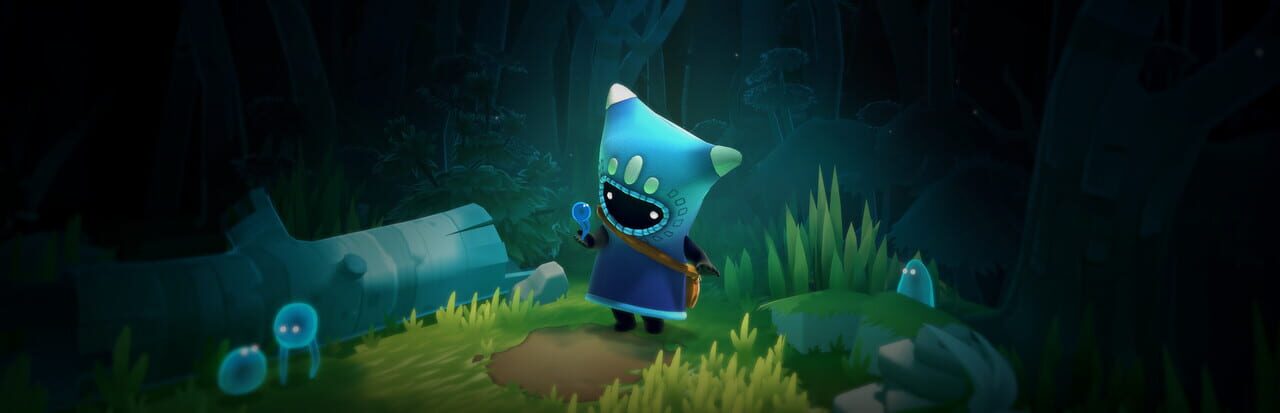
The Last Campfire
Hello Games · Puzzle, Indie, Adventure
Overview
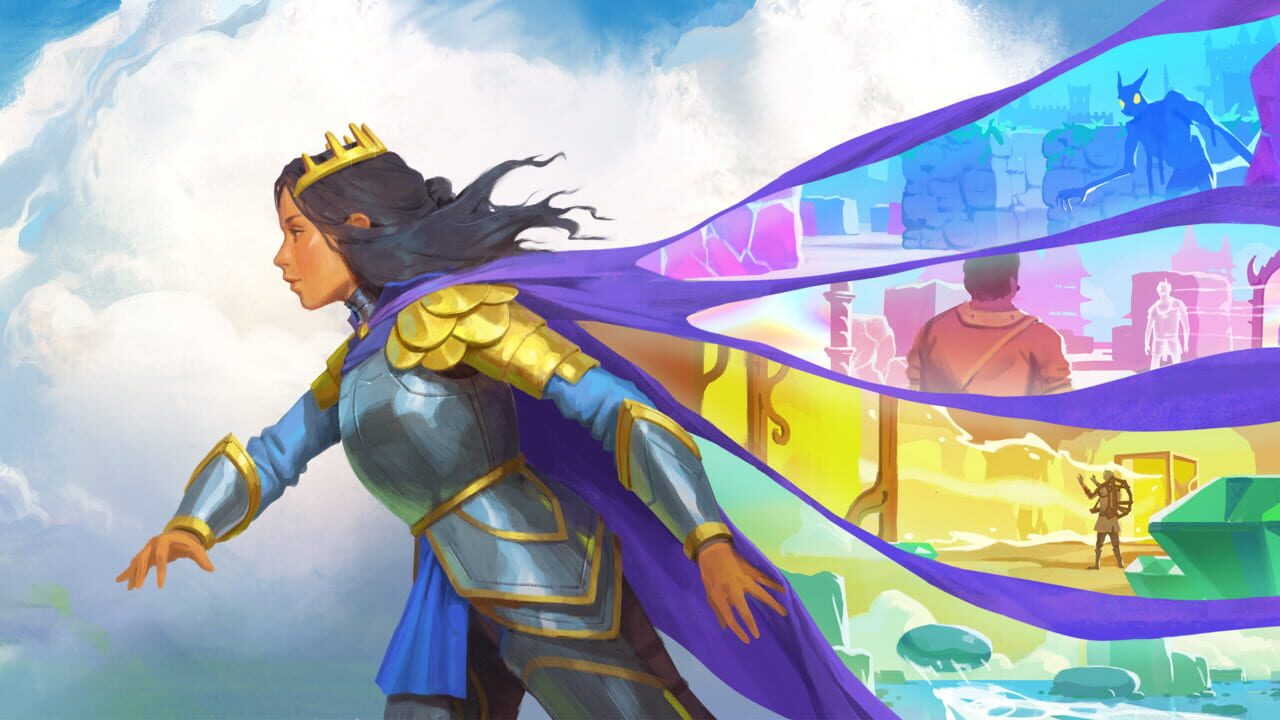
The Last Campfire is an adventure, a story of a lost ember trapped in a puzzling place, searching for meaning and a way home.
Read moreShow less
ON A JOURNEY
Travel deeper into the lands beyond the dark forest and overcome the adversities before you.
UNCOVER A WORLD
Discover beautiful wilderness filled with lost folk, strange creatures and mysterious ruins.
LIGHT THE LAST CAMPFIRE
Find hope and carry it with you on your Journey to light The Last Campfire.
FROM A SMALL STUDIO
A unique tale from Hello Games and the creative minds behind LostWinds.
From the game's Steam store page.
THE GAMEQ VERDICT2,499 reviews analyzed
What players are actually saying
1. Summary
The Last Campfire is a short, gentle puzzle-adventure about hope, depression, grief and letting go, wrapped in a storybook art style and read aloud by a narrator most players love. Puzzles come up in 61% of reviews, and players praise them as varied, fair and satisfying rather than hard. The story and its message that you can't help everyone come up in 36%, and dozens of reviewers say it moved them to tears. Many bought it in a deep sale for a dollar or two and call the 5-8 hour game a hidden gem, with easy 100% achievements and good Steam Deck behavior as bonuses.
The 3.4% who thumbed it down most often name the ever-present narrator, a slow or boring pace, a story they found thin or confusing, and puzzles too easy for genre veterans; several call it a game for children. Some positive reviewers share the narrator and difficulty complaints, and a few muted her. Smaller frictions are scattered: awkward keyboard controls with no rebinding, occasional soft-locks and clipping bugs, no map in a world with some backtracking, and a full price ($14.99) that even fans say is hard to justify for the length when the sale price is so common.
2. What keeps coming up
What players praise
Puzzles: easy on purpose, and mostly better for itHigh
Puzzles appear in 61% of reviews (1,517), and most of what players say about them is positive. The mechanics keep rotating (light, blocks, snakes, pipes, boats), nothing repeats, and each rescued Forlorn's puzzle mirrors their emotional state. About 21% of reviews describe the puzzles as easy in some form, usually alongside satisfying: approachable enough never to break the relaxed mood, with two or three late-game stumpers that made players feel clever. Many frame the low difficulty as a feature, ideal for newcomers to the genre, kids playing alongside parents, or anyone burned out on punishing games. Veterans of Portal, The Talos Principle or Myst-likes call the puzzles trivial and the difficulty curve random, and difficulty is one of the complaints negative reviews raise most. A few also disliked specific mechanics (the pipe puzzle's reset, the snake puzzles) or wished for a hint system.
A story about hope, depression, and letting go that lands hardHigh
Reviews describe a melancholy fable about lost souls (the Forlorn) trapped by fear, regret and hopelessness, and a protagonist whose job is simply to care. Two ideas come up often: that hope is something you pass to others, and that some people cannot or do not want to be helped, which several players single out. Sixty reviews report crying, and dozens are testimonials from players going through depression, grief or burnout; one calls the game "the hug I needed" and describes promising themselves to try again tomorrow. The ending and the Wanderer's twist get frequent praise. A minority found the story vague and cryptic (one objects to a simple story wrapped in "obfuscated words"), the metaphors cheap or repetitive, and the melancholy tone a mismatch for the cute wrapper, and one player found it so sad they had to take breaks.
Storybook looks, soothing sound, total cozinessHigh
Players love the presentation: 29% of reviews praise the visuals (soft low-poly environments "like a living storybook", adorable character design a couple of players want plushies of), and many praise the soundtrack and sound design. With no combat and no time pressure, 26% use words like cozy, chill, relaxing or calming, and several describe playing it wrapped in a blanket, before bed, while sick, or with a child on their lap. A few say it runs on potato laptops, and the 35 reviews that mention the Steam Deck say it runs well there (one notes some stutters and pop-ins). The sour notes are occasional stuttering on scene loads, a flickering bug for a few players, missing ultrawide/HDR support in one detailed complaint, and a soundtrack a few found repetitive.
Painless completion and low-spec performanceHigh
All achievements come in a single relaxed playthrough, and the game runs well on Steam Deck and low-spec hardware, which completionists and laptop players mention as a bonus.
Where players are split
The narrator: the game's soul for most, a mute button for someHigh
Narration and voice work come up in 18% of reviews (459). Most of those reviews are glowing: Rachel August's single-voice, bedtime-story delivery is called perfect and ASMR-like, one player says the voice actress "fully made the game", and several sought out her other work afterward. Among detractors the same constant presence is a frequent complaint. 42% of all negative reviews mention the narration, calling it whiny, childlike or simply constant, and objecting that she narrates things the player can already see; a reviewer who still recommends the game invokes the rule "show, don't tell". Some positive reviewers agree, and several mention turning her volume to zero in the options. Non-native English speakers also found the accent hard to parse.
Short, sweet, and priced for the sale binHigh
At 4-8 hours to 100%, length is a trade-off reviewers discuss openly. Most frame it positively: the game "doesn't overstay its welcome", ends before its formula would go stale, and respects your time. A sizable minority wanted more, wishing for a longer game, a DLC or a sequel ("Please make a sequel!"). Reviews that bring up price mostly agree. Players who bought it at a deep discount call it money well spent, and fans who mention the $14.99 full price often say it is hard to justify for the length and low replay value. The December 2024 Winter Sale discount is what finally gave a 2021 Steam release its audience.
Is it a game for kids?Medium
A recurring argument in the 86 thumbs-down reviews is a mismatch of expectations: adults who bought an Overwhelmingly Positive puzzle game and found what they judged to be a children's title, slow-paced and mechanically thin ("Walking simulator with mundane puzzles"), with a narrator who "keeps talking at me like I'm five". That reviewer adds a warning to "always read the negative reviews" before trusting the rating. Several who make this point concede the game is well made for its audience, and one edited their review after reconsidering it as a game for kids. Positive reviews agree it is accessible and count that in its favor: 4% of reviews mention children, mostly parents describing a rare game they can genuinely share with a 4-to-8-year-old, who add that the themes of death and depression give adults their own layer. A couple of parents went the other way and found those themes too dark for their kids.
Rough edges: controls, bugs, and wayfindingLow
None of these are widespread, but they repeat enough to form a clear punch list. Controls first: no rebinding, an odd default layout (sprint on X, inventory on V), fiddly mouse handling in rotation puzzles, and boat steering that one player calls "the worst boat controls of all time"; several advise playing with a controller ("Use a controller!"). Bugs come up in 3.6% of reviews: clipping into stairs and terrain, objects and pigs left floating, soft-locks that force a reload (cheap thanks to frequent autosaves, though the autosave itself is invisible and there is no manual save, which cost a few players progress), and rare launch failures including a pink/black screen at startup. With no map and some deliberately maze-like zones, a minority got lost during backtracking, and one deleted the game over it; others suggest finishing a full zone per sitting. Completionists also note that the journal collectibles carry no achievement or payoff. Almost all of these complaints appear in otherwise positive reviews.
What frustrates players
Puzzle difficulty is too low for genre veteransHigh
Experienced puzzle fans breeze through most puzzles in one or two attempts, and they call the difficulty curve inconsistent, with easy and hard puzzles arriving in random order. Along with the narrator, this is one of the complaints negative reviews raise most, and it feeds the argument over whether this is a game for kids (see the split items).
3. The player conversation
The Steam version arrived in late 2021 to almost no English reviews (42 in total through mid-December 2024). Then the December 2024 Winter Sale's 90%-off price set off a discovery wave that never receded: roughly 20 to 40 reviews in a typical week through the summer of 2026, with spikes around each seasonal sale. Sentiment held steady as the audience grew, and the themes from one month to the next are interchangeable.
The tone is personal. Dozens of reviews are testimonials about depression and grief, and people recommend the game the way you recommend a book ("give this gift to yourself"). Players compare it to Journey, Spiritfarer, Gris, Monument Valley and Zelda shrines, and some are surprised that Hello Games, the No Man's Sky studio, made something this small and tender (a few bought it purely to support them).
4. What the developers could do
- Smooth the difficulty curve and offer an optional challenge. Puzzles that are too easy are one of the complaints negative reviews raise most, and veterans also call the order of easy and hard puzzles random.
- Give players finer control over the narration. The narrator comes up in 42% of negative reviews for describing what players can already see, and some fans muted her entirely rather than trimming how often she speaks.
- Set expectations about the game's gentle, family-friendly scope. A number of negative reviews come from adults who expected a harder puzzle game and found what they saw as a children's title.
- Add key rebinding and fix the fiddliest controls. Players cite an odd default layout, fiddly mouse handling in rotation puzzles, and awkward boat steering.
- Add a hint option for players who get stuck. A few players asked for one, and it would let the late-game stumpers stay satisfying without stalling anyone.
- Fix soft-locks and clipping, and add a manual save. Clipping into stairs, floating objects, and soft-locks that force a reload cost some players progress because the autosave is invisible and there is no manual save.
- Add a map for backtracking. With some deliberately maze-like zones and no map, a minority got lost, and one player deleted the game over it.
- Clean up the Chinese localization. One Chinese-language player flagged typos and inconsistent pronoun rendering that undercut the story.