Valheim
Iron Gate Studios · Survival, Open World, Base Building
RELEASE MILESTONES
Dates from IGDB release data
Overview
A collaborative exploration and survival game for 1-10 players, set in a procedurally generated afterlife inspired by Viking culture. Battle, build, and conquer your way to a saga worthy of Odin’s patronage!
Read moreShow less
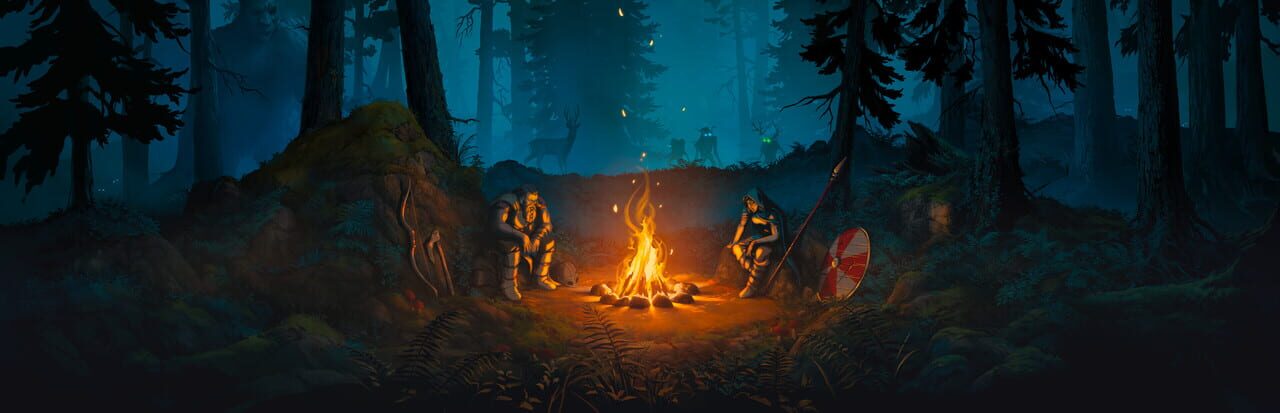
Valheim is a collaborative exploration and survival game for 1-10 players set in a procedurally generated world inspired by Norse mythology. Craft powerful weapons, construct elaborate halls, and slay mighty foes to prove yourself to Odin!
Discover an immersive procedurally generated world, with different biomes that each have their distinct environments, unique resources and dangerous enemies. Become a Viking and sail the open seas in search of lands unknown, alone or with up to nine friends!
The Tenth World has been corrupted by hateful forces, in the shape of mighty regional bosses known as the Forsaken. Hone your skills with axes, blades and bows, and prepare yourself by crafting the very best equipment – for it is only by defeating these Forsaken that you will advance in your progress and prove yourself to the Allfather.
Raise Viking longhouses and build bases that offer reprieve from the dangers ahead. Whether you build a small shelter, an entire village or a mountain-side fortress, defence and structural integrity are important, as is decorating it for maximum comfort!
As you discover new materials, you will learn new recipes for crafting, building and cooking – all that a Viking might need! The food system is rewarding rather than punishing, granting you boons and benefits depending on what you eat, and is directly tied to the combat system, where your health and stamina might be just the thing that makes a difference between life and death.
Community-translated languages
In addition to the officially supported languages, Valheim has several community-translated languages. As the name would suggest, these are all translated by fans and members of the community, and the process is frequently ongoing. Thus, we cannot guarantee the quality or completeness of any specific translation.
From the game's Steam store page.
THE GAMEQ VERDICT9,993 reviews analyzed
What players are actually saying
1. Summary
Valheim reached 1.0 with players who love the game and are impatient with its studio. The praise centres on the lighting, music and low-poly art, on a building system many reviewers single out, and on small groups of friends working through one biome after another, dying to trolls and deathsquitos on the way. Those co-op stories fill many of the longer positive reviews. Players with hundreds or thousands of hours call it the best survival game they have played.
Most of the complaints are about friction around that core. Grind and tedium (mining ore, hauling it by boat or cart, rebuilding gear for every biome) come up in 24% of negative reviews. Missing quality-of-life features that players have asked for since 2021 come up in 20%: crafting from nearby chests, equipment slots, a bigger or sortable inventory, the workbench roof rule, fixed keys. Veterans were sour that 1.0 shipped the final biome, cinematics and a new build menu without those fixes. The two late biomes, Mistlands and Ashlands, divide players, and so does the harsh death penalty. 1.0 also brought problems of its own: a "cheated item" flag that spread through inventories and blocked achievements, save and world corruption, and heavier enemy spawns. Weekly sentiment fell from above 90% positive in the run-up to launch to under 80% by the second week after it.
2. What keeps coming up
What players praise
Atmosphere, music and the art style that grows on youHigh
Players single out the lighting (sunbeams through the Black Forest canopy, storms at sea, sunsets over a base), biome music that changes at night or when a fight starts, and the ambient sound. Several reviewers say the low-resolution look seemed crude at first and grew on them once they played; one fan lists "AAA Lighting" right next to "PS1 Textures" among the game's selling points. Some short-playtime reviewers find the graphics dated, and one found the Meadows flute music repetitive enough to annoy.
Co-op with a small group of friendsHigh
Friends, partners, siblings and parents playing together is one of the most common settings in positive reviews. Players describe groups splitting the work (one builds, one mines, one cooks), shared disasters that turn into running jokes, and dedicated servers that keep a world going. Two to four players is the size reviewers describe working best; larger groups report desync and bosses behaving oddly. Plenty of reviewers add that the chores that are funny with friends are a slog alone, which the solo theme below covers.
Building and base-makingHigh
Building comes up in more reviews than any other system. Casual players and dedicated builders both praise structural integrity (support colours, needing pillars for a stone roof), terraforming, and the freedom to go from a lean-to to a castle, and several reviewers say they spend more time decorating bases than progressing. The complaints are narrower: snapping with keyboard and mouse, the rule that crafting stations need a roof (a common first-hour gripe), supports failing over water, and raids flattening a base. The redesigned 1.0 build menu drew its own complaint, covered under 1.0 changes.
Boss-by-boss progression and discoveryHigh
The world does not level with the player, and reviewers like that: a new biome is terrifying, then conquered, then trivial, until the next one. The loop of boss, new material, new gear and new biome gives the game an end goal, which many contrast with open-ended sandboxes. Reviewers often advise going in blind, and the stories they tell most are first encounters: the first troll, the first deathsquito, the first storm at sea. Critics of the same loop find it repetitive because each tier's gear makes the last one obsolete (see grind).
Value for money, low requirements and wide platform supportMedium
Many reviewers set hundreds or thousands of hours against a $20 to $30 price, a small install and free updates. The game runs on modest laptops, Steam Deck, Linux and Apple Silicon Macs, and some reviewers found hosting a dedicated server easy. Late-game performance (see frustrations) and very old hardware are the exceptions.
World modifiers that let players tune the gameMedium
The world settings added during Early Access (resource rates, portal restrictions on ore, combat difficulty, death penalty, raid frequency) let a group make the game fit them. Some reviewers who found it too hard say they came back after lowering combat difficulty or allowing ore through portals, and some recommend that newcomers set these from the start. Purists say the settings should not be needed, and several reviewers note that the lowest death penalty setting still drops unequipped items.
Iron Gate's responsiveness after launchLow
A few reviewers noted quick patches in the first days after 1.0: dodge became rebindable, the cheated-item flag was narrowed, and a console command was offered to restore achievements. At least one reviewer struck out an angry note about the flag and went back to recommending the game. These reviews are outnumbered by long-standing complaints about development pace.
Where players are split
The death penalty and corpse runsHigh
Dying drops everything you carry at a tombstone, costs skill levels and removes your food buffs, so the run back starts weak and often naked. Supporters say this is what makes preparation and every victory matter, and that a spare set of gear makes it manageable. Detractors, especially solo players in the Swamp, Plains and Ashlands, describe chains of deaths while trying to recover a body, lost ships and portals, and whole evenings spent undoing one mistake. Several point out that even the "keep inventory" style setting keeps only equipped items, so the option does not do what its name says.
Solo play versus group playHigh
Reviewers disagree on whether Valheim works alone. Many solo players with hundreds of hours call it relaxing and fully beatable, especially with modifiers. Others say bosses and late biomes are balanced for groups and that hauling and corpse runs are brutal alone; one reviewer who still recommends it scores it "Solo 6/10 game, with friends - a solid 8/10". Solo complaints name the late biomes, Mistlands and Ashlands, more often than the early ones.
CombatHigh
Combat comes up in 20% of negative reviews. Fans enjoy the parry-and-stamina rhythm, the weapon-type weaknesses and the boss fights. Critics return to the same few issues: melee cannot aim up or down, so small or elevated enemies are hard to hit; hitboxes and arrow hits on small animals feel unreliable; stamina drains on everything, including farming and building; bows feel weak; and the bosses after Bonemass, Yagluth and the Queen in particular, turn into long fights against a health bar.
The Deep North and the 1.0 content dropMedium
Reactions to the final biome were split. Some long-time players called 1.0 a satisfying end to a five-year journey and praised the new biome's look and the final boss. Others were let down by reused or recoloured enemies, low drop rates on key crafting materials, invasions that felt like padding, a boss phase that bugged for some groups, and a crown reward some said trivialises the game.
Mods as the fixMedium
Mods are cited on both sides. Positive reviewers recommend Thunderstore mods for crafting from chests, equipment slots, bigger inventories and map markers, and say modding is easy. Negative reviewers list the same mods and argue that a game five years in development should not need them for basic comfort. Some players also found that 1.0 broke their mod setups.
The new cinematics and presentationLow
1.0 added animated cutscenes, including a long intro. Some players loved them and said they finally gave the story weight. Others thought the anime-like style clashed with the rest of the game, and some asked for a way to skip the intro.
What frustrates players
Grind and tedium that "does not respect your time"High
Grind and tedium come up in 24% of negative reviews, more than any other complaint. The specifics repeat: mining copper, tin and iron by hand for hours; ore that cannot go through portals by default; carts that tip over on rough terrain; long sails against the wind; farming to keep food buffs up; gear that becomes obsolete one biome later, so the grind restarts; and stamina that runs out during chores. Positive reviews mention the grind too. Some call it relaxing or rewarding, and others list it as a drawback but recommend the game anyway. Players who stopped within ten hours tend to call the game slow or boring from the start, while players with 50 to 300 hours more often describe the grind wearing them down over several biomes, sometimes naming the Plains or Mistlands.
Missing quality-of-life features, again missing at 1.0High
These requests appear in 20% of negative reviews, and the list barely varies: crafting from nearby chests, dedicated equipment slots so armor stops eating inventory space, a larger or expandable inventory, sorting or quick-stacking, a lighter weight penalty, no roof rule for the workbench, map markers for built structures, and repairing or planting in bulk. Veterans who waited through Early Access expected these at 1.0, and some changed their review to negative when they did not arrive. Keybinding complaints belong here too: the radial menu on a fixed key, hotbar slots locked to number keys, dodge tied to block plus jump (made rebindable after launch), and awkward controller mapping.
Mistlands and AshlandsHigh
These two are named in more negative reviews than any other biome. Mistlands reviews describe fog that limits vision to a few metres, jagged vertical terrain that drains stamina, and a push toward magic that some felt abandoned their chosen playstyle. Ashlands reviews describe dense enemy spawns (one reviewer calls it a "dday simulator"), one-shot damage even in top armor, ships lost on arrival, and heavy lag. A minority of veterans defend both as fitting late-game difficulty, and a few say later patches improved Ashlands. Some reviewers say they quit at one of the two, though the Swamp and Plains come up as quitting points too.
Development pace and trust in the studioMedium
Frustration with five and a half years of Early Access appears in 14% of negative reviews, and it comes up most among the older reviews edited around 1.0. Players cite long gaps between updates, an early roadmap that was scaled back (the ocean update in particular), and a small team despite millions of sales. Some go further, calling the studio lazy or accusing it of prioritising merchandise. Plenty of positive reviewers answer that the updates were free and the game was always worth its price, and several switched from negative to positive once 1.0 was announced.
Enemy spawns, aggro and base raidsMedium
Players describe greydwarfs that never stop harassing them, enemies spawning behind them, raids arriving mid-build, and trolls flattening a base in seconds. Several reviewers felt spawn rates went up with 1.0, early biomes included, and ask for raids to be optional or less frequent.
1.0 launch bugs: the cheated-item flag, saves and worldsMedium
The 1.0 bug reviewers mention most is a "cheated item" flag that marked items and characters and spread to legitimate players, for example after they used a server with dev commands or picked up items in multiplayer, and blocked their achievements. Iron Gate narrowed the flag and added a command to re-enable achievements, which satisfied some reviewers and not others. A smaller group reported world or character corruption, cloud saves overwriting local progress, crashes losing progress because characters save locally, terrain shifts damaging builds, and chunk bugs on dedicated servers.
Performance and multiplayer netcodeMedium
Performance complaints come from specific places: stutter in large bases, GPU usage spikes, and heavy lag in Ashlands, mostly from long-haul players. In multiplayer, reviewers report desync with four or more players or high ping (enemies sinking into the ground, hits from behind) and dislike needing the host online.
1.0 changes to the build menu and animationsLow
Some long-time builders disliked the redesigned build menu and the new running animations, and asked for an option to restore the old ones.
The price increaseLow
The handful of reviewers who bring up the rise from $20 to $30 at 1.0 mostly object to it, calling the increase greedy for a game they consider unfinished. Others treat price as buying advice, and one negative reviewer would "buy it on sale" at half price at most. Many positive reviews still call the game worth its price for the hours.
Community moderationLow
A few reviewers say they were banned or timed out on the official forums or Discord for criticising the game.
3. The player conversation
Short praise and jokes make up much of the volume (trees that kill you, deathsquitos, "the bees are happy"). The negative reviews are longer and more specific, and they are often written by players with hundreds of hours who list the same QoL requests. A share of them still praise the atmosphere or say they loved the game before it wore them down; reviewers who switched to "not recommended" sometimes say they enjoyed the first half of the game and wanted the second half to respect their time.
Playtime shapes which complaints come up. Players who quit within two hours cite dated graphics, clunky controls, the workbench roof and a slow start. Reviewers with 10 to 50 hours complain about tedium, enemies swarming them in the Black Forest, and playing alone. Complaints about development pace, missing QoL, the late biomes and the 1.0 cheat flag come mostly from players with 100 hours or more.
Over time, the conversation went through three phases. Reviews from 2021 to 2025, re-edited around 1.0, carry the oldest grievances about pace, Mistlands and Ashlands. In the seven weeks before launch, weekly ratings ran 89% to 93% positive, with many "can't wait for 1.0" reviews. After launch, a wave of new and returning players arrived and the ratio fell to 84.5% in launch week and under 80% in the two weeks after, as bugs, spawns and the unchanged QoL problems arrived alongside the celebration.
4. What the developers could do
- Ship the long-requested inventory and crafting quality-of-life features. Crafting from nearby chests, equipment slots, sorting or quick-stack and an expandable inventory are requested in 20% of negative reviews, and some veterans changed their review to negative because 1.0 did not include them.
- Cut the grind around hauling and gear turnover. Ore mining, cart and boat hauling, and gear that goes obsolete each biome are what negative reviewers name most often as the reason the game stopped being fun. Cheaper upgrades, better cart handling, or making ore-through-portals more visible as an option would all address it.
- Finish fixing the cheated-item flag and protect saves. False cheat flags blocking achievements, and world or character corruption, produced some of the angriest reviews after launch. Server-side or more frequent character saves would address the complaints about losing progress in a crash.
- Rebalance spawns and aggro, especially in Ashlands and after 1.0. Reviewers cite enemy spam, spawns behind the player and constant raids from the Black Forest to Ashlands, and several felt spawn rates rose at 1.0.
- Make every key rebindable and polish controller layouts. The fixed radial menu key, the hotbar locked to number keys and the old two-button dodge are simple fixes that both new and veteran players asked for.
- Revisit Mistlands visibility and traversal. A modifier or a stronger tool to reduce fog, and less punishing terrain, would help in a biome several reviewers name as where they quit.
- Improve late-game and multiplayer performance. Long-haul groups cite stutter in large bases, Ashlands lag and desync with four or more players as reasons they gave up.
- Offer options for 1.0 presentation changes and communicate the post-launch plan. A legacy build menu toggle and a skippable intro would settle smaller complaints, and a clear roadmap would answer the distrust about development pace that runs through the edited older reviews.